Weekend update

Weekend update

Happy Groundhog Day! USA Today reports that “On Groundhog Day 2020, Punxsutawney Phil could not find his shadow. And as the legend goes, this means we’re in for an early spring.” Oh, there’s also a big pro football game this evening in Miami. Go Chiefs.

Congress is in session this week on Capitol Hill. Federal News Network reports

The House will vote [this coming] week on a bill to repeal the Postal Service’s mandate to pre-fund health benefits for future retirees. The USPS Fairness Act (HR 2382) if passed, would undo one of the central provisions in the 2006 Postal Accountability and Enhancement Act. The bill, introduced by Congressman Peter DeFazio (D-Ore.), now has more than 300 co-sponsors and the support of the postal unions.

If Congress could get together to kill the three highly controversial Affordable Care Act taxes, Congress should be able to repeal this misguided mandate too.

Kaiser Health News reports on the Affordable Care Act penalties on Medicare payments that the Centers for Medicare and Medical has imposed on hospitals for certain adverse events affecting patients.

Now in their sixth year, the punishments, known as HAC penalties, remain awash in criticism from all sides. Hospitals say they are arbitrary and unfair, and some patient advocates believe they are too small to make a difference. Research has shown that while hospital infections are decreasing overall, it is hard to attribute that trend to the penalties.

This HAC penalty is in addition to the readmission penalty on Medicare payments that the ACA also created.

Fierce Healthcare warns

Payers better be prepared for orphan drugs.

The Food and Drug Administration (FDA) will evaluate more than 150 new approvals this year, OptumRx officials said in their latest quarterly report on the drug pipeline.

Already, there are 64 applications submitted to the agency with likely approval in 2020, the pharmacy benefit manager said. At least 11 of those drugs are set to be “blockbuster” products with over $1 billion in U.S. sales, Optum said in the report.

Optum has seen similar development activities over the past several years.

“It’s a little more than just an aberration—seeing three years in a row of high outputs is a trend, and something we think is going to continue at least for the foreseeable future,” Bill Dreitlein, senior director of pipeline and drug surveillance at OptumRx, told FierceHealthcare.

TGIF

Today, the Department of Health and Human Services released the proposed 2021 Affordable Care Act notice of benefit and payment parameters. The Department issued a fact sheet on the 245 page notice. The notice is of principal relevance to qualified health plans in the ACA marketplaces. Two items in the notice are relevant to the FEHBP generally:

  • “The proposed 2021 maximum annual limitation on cost sharing is $8,550 for self-only coverage and $17,100 for other than self-only coverage. This represents an approximately 4.9 percent increase above the 2020 parameters of $8,150 for self-only coverage and $16,300 for other than self-only coverage.”
  • We propose changes to the policy regarding how drug manufacturer coupons accrue towards the annual limitation on cost sharing i n response to stakeholder feedback indicating confusion about the current regulatory requirement. We propose to revise the regulation finalized in the 2020 Payment Notice to provide that issuers would be permitted, but not required, to count toward the annual limitation on cost sharing amounts paid toward reducing out-of-pocket costs using any form of direct support offered by drug manufacturers to enrollees for specific prescription drugs. 

Of interest to insured FEHB plans,

We propose to amend current [medical loss ratio] MLR regulations to require issuers to deduct from incurred claims the prescription drug rebates and other price concessions attributable to the issuer’s enrollees and received and retained by an entity providing pharmacy benefit management services to the issuer. We further propose to clarify more generally that issuers must report expenses for services outsourced to or provided by other entities in the same manner as issuers’ expenses for non-outsourced services. These changes would help lower premiums by helping ensure that consumers’ premiums reflect the full benefit of prescription drug rebates and are not artificially inflated by outsourcing expenses. We also propose to clarify that expenditures related to certain wellness incentives in the individual market qualify as quality improvement activity expenses in the MLR calculation.

The Department is allowing thirty days for public comment. The final notice should be issued well before the 2021 FEHB benefit and rate proposal must be submitted on May 31, 2020.

In other news

  • HHS Secretary Alex Azar announced that the Wuhan coronavirus represents a public health emergency in our country. This declaration, among other things, makes special funding available to state, tribal, and local health departments as the government collectively works to keep the risk of the disease low.
  • Healthcare Dive reports that in their public comments health insurers and employers reacted negatively to the Administration’s cost sharing transparency proposed rule.
  • The Hill reports that the Food and Drug Adminstration has approved the first prescription drug to treat peanut allergies. “Aimmune Therapeutics is behind the drug, called Palforzia, which exposes patients to small amounts of peanuts and helps build up their resistance. “
  • The Wall Street Journal reported earlier this week that

Screening for lung cancer reduces deaths among current and former heavy smokers, according to a new study published Wednesday that adds to the evidence supporting wider testing.

The study, conducted by researchers in the Netherlands and Belgium and published online by the New England Journal of Medicine, found that scanning the lungs of heavy smokers reduced lung-cancer deaths by 24% in men and 33% in women over the course of a decade.

Have a great Super Bowl weekend.

Thursday Miscellany

Today the Centers for Disease Control released final U.S. life expectancy data for the U.S.

  • Life expectancy for the U.S. population in 2018 was 78.7 years, an increase of 0.1 year from 2017.
  • The age-adjusted death rate decreased by 1.1% from 731.9 deaths per 100,000 standard population in 2017 to 723.6 in 2018.

These improvements, while slight, are the first improvements in four years. The Wall Street Journal observes that

Lower mortality from cancer, accidents and unintentional injuries were the main reasons life expectancy ticked up in 2018. The {CDC] also said that drug overdose deaths among U.S. residents fell 4% that year, the first such decline in 28 years.

Good news indeed but, of course, room for improvement remains.

The Washington Post discusses a Health Care Cost Institute (“HHCI”) report finding that the Trump Administration’s final rule requiring hospital to disclose their negotiated prices for 300 common services may reduce prices. From the HCCI report,

  • If the highest market prices – for each service – declined such that they were equivalent to the 60th percentile price today, spending would decrease even if the lowest-priced claims within all services were raised to the 59th percentile price;
  • If the lowest 33% of prices – for each service – increased to the 33rd percentile, spending would increase even if the highest 10% of prices – for each service – were lowered to the 90th percentile; ​
  • If within each service, the highest-priced claims were lowered to the 75th percentile market price and the lowest-priced claims increased to the 25th percentile market price, spending would decline by 6.4%, and; ​
  • Spending would increase overall if the lowest half of prices all increased to their service’s median market price and the uppermost quarter of every service’s prices declined to the 75th percentile.

Hope springs eternal. The hospital transparency rule, which, is under legal challenge is set to take effect January 1, 2021. Today was the comment deadline for proposed HHS price transparency rule for health plans.

The Robert Wood Johnson Foundation reviews food label changes that became applicable to most foods on grocery shelves on January 1, 2020. Check it out.

Midweek Update

The FEHBlog wishes to remind his loyal readers that you may subscribe to FEHBlog emails which arrive with the full posts the morning after the post goes live. A subscription box prominently appears on the right margin of the FEHBlog page at ermersuter.com

Has any law generated more litigation in a short period of time than the Affordable Care Act??? Katie Keith in the Health Affairs blog provides a lengthy status report on the major ACA cases pending in the U.S. Supreme Court and the U.S. Court of Appeals.

In other judicial news, the U.S. District Court for the District of Columbia ruled yesterday that the Department of Health and Human Services failed to follow the Administrative Procedure Act in certain respects with respect to its 2013 and 2016 rule makings on access to medical records by patients and third parties such as lawyers and insurers. The details are explained in this Health Security IT article. Due to the importance of this issue to HHS, the FEHBlog expects the agency to take remedial administrative action quickly.

In good prescription drug news:

  • Healthcare Dive reports that pharmaceutical manufactures finally are rolling out biosimilar drugs which action will lower the cost of expensive specialty drugs over time.
  • CVS Health announced today “a new solution eliminating member out-of-pocket costs associated with all diabetes prescription medications, including insulin. Offered through the company’s pharmacy benefit manager (PBM), CVS Caremark, RxZERO enables employers and health plan sponsors to leverage formulary and plan design approaches to offer all categories of diabetes medications at zero dollar out of pocket for their members without raising costs for the plan sponsor or increasing premiums or deductibles for all plan members.”

Tuesday Tidbits

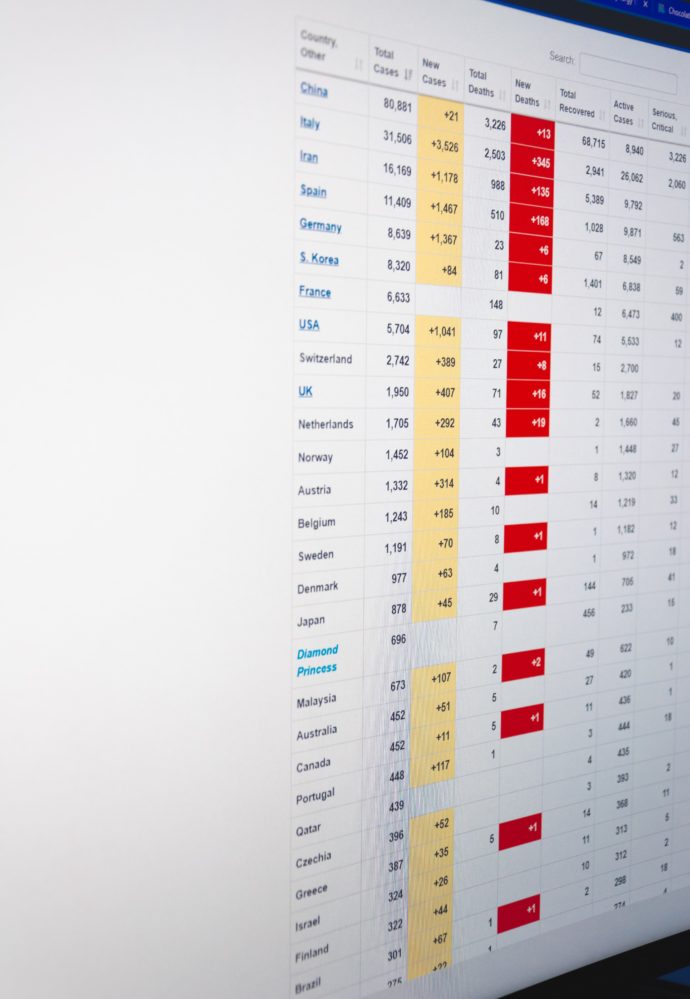
Johns Hopkins University provides us with a Wuhan coronavirus dashboard that constantly updates the spread of the virus. AJMC.com offers coverage of HHS’s Secretary Alex Azar’s press conference on the topic held earlier today.

“Americans should know that this is a potentially very serious public health threat, but, at this point, Americans should not worry for their own safety,” Azar said. Of the 4500 cases confirmed in China, the country has reported more than 100 deaths. However, “the cases that have been identified skew severe, including patients who are older or have other illnesses. The mortality rate may drop over time as we identify a broader set of cases.”

The CDC recently announced it would begin screening travelers for the virus at 20 airports, up from an initial number of 5. “We are constantly preparing for the possibility that the situation could worsen, and your health and safety has been and will be our top priority,” Azar said.

AHRQ released a chart book on employer sponsored health coverage in our country in 2018.

Between 2017 and 2018, there was no significant change in the overall percentage of private-sector employees (47.8 percent in 2018) enrolled in a health insurance plan offered by their employers (“enrollment rate”). There was also no significant change in the enrollment rate in any firm-size category.

In 2018, average annual health insurance premiums per enrolled employee with private-sector employer coverage were $6,715 for single coverage, $13,425 for employee-plus-one coverage, and $19,565 for family coverage. These amounts represent increases of 5.4 percent for single coverage, 5.0 percent for employee-plus-one coverage, and 4.7 percent for family coverage over 2017 levels

In 2018, enrolled employees paid 21.3 percent of total premiums for single coverage, 27.1 percent for employee-plus-one coverage, and 27.8 percent for family coverage (Exhibit ES.14). The employee share of total premiums in 2018 for single coverage decreased by 0.9 percentage points from its 2017 level, while the employee shares for the other two coverage types were not significantly different from their 2017 levels.

The statutory minimum employee contribution for FEHB coverage is 25% (5 U.S.C. Sec. 8906).

Finally here’s a shocking Justice Department press release concerning an electronic health records vendor Practice Fusion Inc. which agreed to pay the Government $145 million to settle criminal and civil complaints.

The resolution announced today addresses allegations that Practice Fusion extracted unlawful kickbacks from pharmaceutical companies in exchange for implementing clinical decision support (CDS) alerts in its EHR software designed to increase prescriptions for their drug products.  Specifically, in exchange for “sponsorship” payments from pharmaceutical companies, Practice Fusion allowed the companies to influence the development and implementation of the CDS alerts in ways aimed at increasing sales of the companies’ products.  Practice Fusion allegedly permitted pharmaceutical companies to participate in designing the CDS alert, including selecting the guidelines used to develop the alerts, setting the criteria that would determine when a healthcare provider received an alert, and in some cases, even drafting the language used in the alert itself.  The CDS alerts that Practice Fusion agreed to implement did not always reflect accepted medical standards.  In discussions with pharmaceutical companies, Practice Fusion touted the anticipated financial benefit to the pharmaceutical companies from increased sales of pharmaceutical products that would result from the CDS alerts.  Between 2014 and 2019, health care providers using Practice Fusion’s EHR software wrote numerous prescriptions after receiving CDS alerts that pharmaceutical companies participated in designing

Happy Data Privacy Day

The Homeland Security Department informs us that “January 28 is Data Privacy Day, an annual effort to empower individuals and organizations to respect privacy, safeguard data, and enable trust.” Health Data Management provides 15 views on the importance of Data Privacy Day. Healthcare Dive adds that

The health IT world is stumping for a unique patient identifier for every U.S. citizen following signs from Congress that it’s open to the idea.

UPIs are distinct numbers, codes or data comparable to a Social Security number that differentiate one person from another. The idea of instituting one linked to patient health records is growing in popularity as a method to concretely match patients with their correct history, culling waste and avoidable medical errors.

Monday musings

Healthcare Dive reports that people finally are using patient portals and apps in substantial numbers.

Nearly 60% of patients report their provider or insurer offered them online access to their medical record in 2019, and nearly 40% viewed their record electronically at least once in the past year. Both are significantly up from 2018, analysts said.

Happy day. People taking more interest in their health will help control healthcare spending over time, in the FEHBlog’s view.

The Centers for Medicare and Medicaid Services (CMS) announced today that

Over the last several years, CMS has been actively monitoring the rapid innovation of [Next Generation Sequencing] NGS [genetic] tests and the evolution of cancer diagnostic tools. NGS tests provide the most comprehensive genetic analysis of a patient’s cancer because they enable simultaneous detection of multiple types of genetic alterations. Medicare first began covering laboratory diagnostic tests using NGS in March 2018 for Medicare patients with advanced cancer that met specific criteria. As a result of today’s decision, more Medicare patients will have access to NGS in managing other types of inherited cancers to reduce mortality and improve health outcomes.

Health Payer Intelligence provides more background on today’s CMS decision.

Last Friday, the FEHBlog called attention to a Fedweek article discussing a new OPM Inspector General report on FEHBP dependent eligibility issues. The FEHBlog could not readily track down the report discussed in the article. A friend of the FEHBlog discovered that the Fedweek article is referencing 2019 Top Management Challenge No. 9 (pp 21-22) which was released early last November. Mystery solved!

Weekend update

Both Houses of Congress are in session this week on Capitol Hill. The FEHBlog has signed up for Congress.gov alerts for S. 1895, Senator Lamar Alexander’s bipartisan bill to lower health care cost. The FEHBlog received his first alert this morning — the addition of a summary of key bill provisions:

Among other things, the bill

applies in-network cost-sharing requirements to certain emergency and related nonemergency services that are provided out-of-network, and prohibits health care facilities and practitioners from billing above the applicable in-network cost-sharing rate for such services; 

revises certain requirements in order to expedite the approval of generics and biosimilars, including requirements relating to citizen petitions, application effective dates, and labeling; 

requires health care facilities and practitioners to give patients a list of provided services upon discharge and to bill for such services within 45 days; 

limits prices that pharmacy benefit managers (PBMs) may charge health insurers or enrollees for prescription drugs, based on prices paid by PBMs to pharmacies; 

establishes grant programs to support vaccinations and data modernization; and 

requires health insurers to make certain information, including estimated out-of-pocket costs, accessible to enrollees through specified technology (e.g., mobile applications).

The Hill reports that the Centers for Disease Control will begin to publish Wuhan coronavirus updates on Mondays, Wednesdays and Fridays. There are now five confirmed cases in the U.S., all of whom are hospitalized. One hundred other people under being watched for the virus.

Chicago’s Crain Business informs us about the merger for four southside Chicago hospitals.

The combination [Advocate Trinity Hospital, Mercy Hospital & Medical Center, South Shore Hospital and St. Bernard Hospital] aims to bolster the precarious finances of the safety-net hospitals that treat large numbers of low-income patients on Medicaid, which pays less than Medicare and commercial insurance.

With an estimated $1.1 billion investment—including private donations and government dollars intended for hospital transformation—the plan is to build at least one new hospital and open up to six new community health centers that would expand access to preventive services and address social determinants of health, such as food insecurity, the four hospital leaders said today.

That’s a hopeful twist on such deals.

The Wall Street Journal reports today that

Hundreds of regional grocery stores in cities from Minneapolis to Seattle are closing or selling pharmacy counters, which have been struggling as consumers make fewer trips to fill prescriptions and big drugstore chains tighten their grip on the U.S. market. * * *

Grocery pharmacies are the latest casualty of industry consolidation that has for years been forcing mom-and-pop drugstores to close. Even some big players have rethought the market. Target Corp. sold off its pharmacy business to CVS Health Corp. five years ago. * * *

The tougher conditions come as the entire drugstore industry copes with a shift to online shopping and shrinking profits in prescription medicines, which often disproportionately affect smaller players.

And so it goes.

TGIF

Fedweek reports that the OPM Inspector General has issued a report on FEHBP dependent eligibility issues. While the FEHBlog cannot locate it online, Fedweek informs us that the Inspector General

recommended that agency benefit officers verify the FEHB eligibility of dependents at the time of initial enrollment and when a family member is added to coverage by collecting and maintaining documentation such as proof of birth and marriage certificates. OPM would “need to work with its partners (agencies, payroll offices, carriers) to develop and implement a system to verify and maintain supporting eligibility documentation to reduce the aforementioned issues related to unentitled FEHB enrollments,” it said.

About five years ago, OPM added a clause to the standard FEHBP contracts requiring carriers to share the cost of dependent eligibility audits. However, those audits have not yet materialized. In any event, the FEHBlog agrees with the Inspector General’s approach.

Centene which owns an FEHB carrier Health Net closed on its acquisition of Wellcare, which among other things is a Medicare Part D (prescription drug) carrier according to a Healthcare Dive report. “The blockbuster acquisition will make Centene the country’s third-largest publicly traded managed care company and double its Medicare footprint.”

The Centers for Disease Control advises that

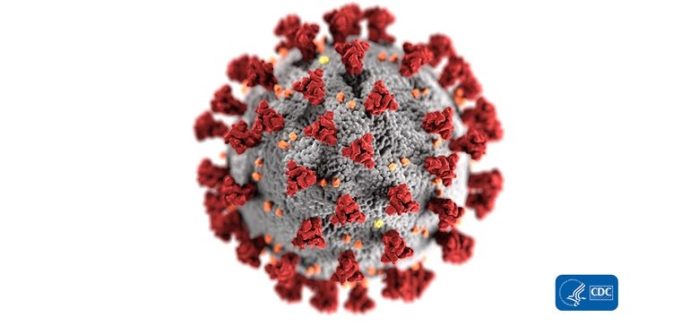
the second infection with 2019 Novel Coronavirus (2019-nCoV) in the United States has been detected in Illinois. The patient recently returned from Wuhan, China, where an outbreak of respiratory illness caused by this novel coronavirus has been ongoing since December 2019.

The CDC announcement explains the appropriate steps that the agency is taking to prepare for the disease. Kaiser Health News reminds us

There’s a deadly virus spreading from state to state. It preys on the most vulnerable, striking the sick and the old without mercy. In just the past few months, it has claimed the lives of at least 39 children.

The virus is influenza, and it poses a far greater threat to Americans than the coronavirus from China that has made headlines around the world.

“When we think about the relative danger of this new coronavirus and influenza, there’s just no comparison,” said Dr. William Schaffner, a professor of preventive medicine and health policy at Vanderbilt University Medical Center.

Quite true.

Thursday Miscellany

At last year’s OPM AHIP FEHBP Carrier Conference, a Centers for Disease Control scientist announced that the U.S. Surgeon General soon would be issuing a new comprehensive report on tobacco use in the U.S. That report was issued today. It

  • Examines the effectiveness of various smoking cessation tools and resources;
  • Reviews the health effects of smoking and catalogues the improvements to health that can occur when smokers quit;
  • Highlights important new data on populations in which the prevalence of smoking is high and quit rates are low; and
  • Identifies gaps in the availability and utilization of programs, policies, and resources that can improve cessation rates and help smokers quit.

Here’s a link to OPM’s Quit Smoking website which discusses the FEHBP generous tobacco cessation benefits.

The CDC updated the public on its important antibiotic resistance solutions initiative.

CDC’s AR Solutions Initiative invests in national infrastructure to detect, respond, contain, and prevent resistant infections across healthcare settings, food, and communities. CDC funding supports all 50 state health departments, six local health departments, and Puerto Rico and the U.S. Virgin Islands.  Through these investments, CDC is transforming how the nation and world combat and slow antibiotic resistance at all levels.

Good luck.

The FEHBlog has discussed the relatively new, cooperative effort of hospitals to create a public asset, known as Civica Rx, to help solve drug shortages and lower the cost of generic drugs. Today, Civica Rx and the Blue Cross Blue Shield Association announced

their partnership to create a new subsidiary dedicated to lowering the cost of select generic drugs. The subsidiary is being formed in response to the impact of high drug costs on the health of Americans and the overall affordability of health care. Other health plans, employers, retail partners and health care innovators who share the belief that patients and their needs come first are invited to join the initiative.

The subsidiary will acquire and develop Abbreviated New Drug Applications (ANDAs) for select generic drugs and partner with Civica and manufacturing partners to bring more affordable generic drugs to uncompetitive markets in exchange for aggregated volume and multiyear purchasing commitments. Initially, several generic medications identified as having high potential for savings will be prioritized by the partnership and will evolve into a platform that can be used to enhance competition for additional generic drugs.

The new operation expected to start delivering product in early 2022. Strong move.

The American Hospital Association now offers a webpage with updates and resources concerning the Wuhan coronavirus.