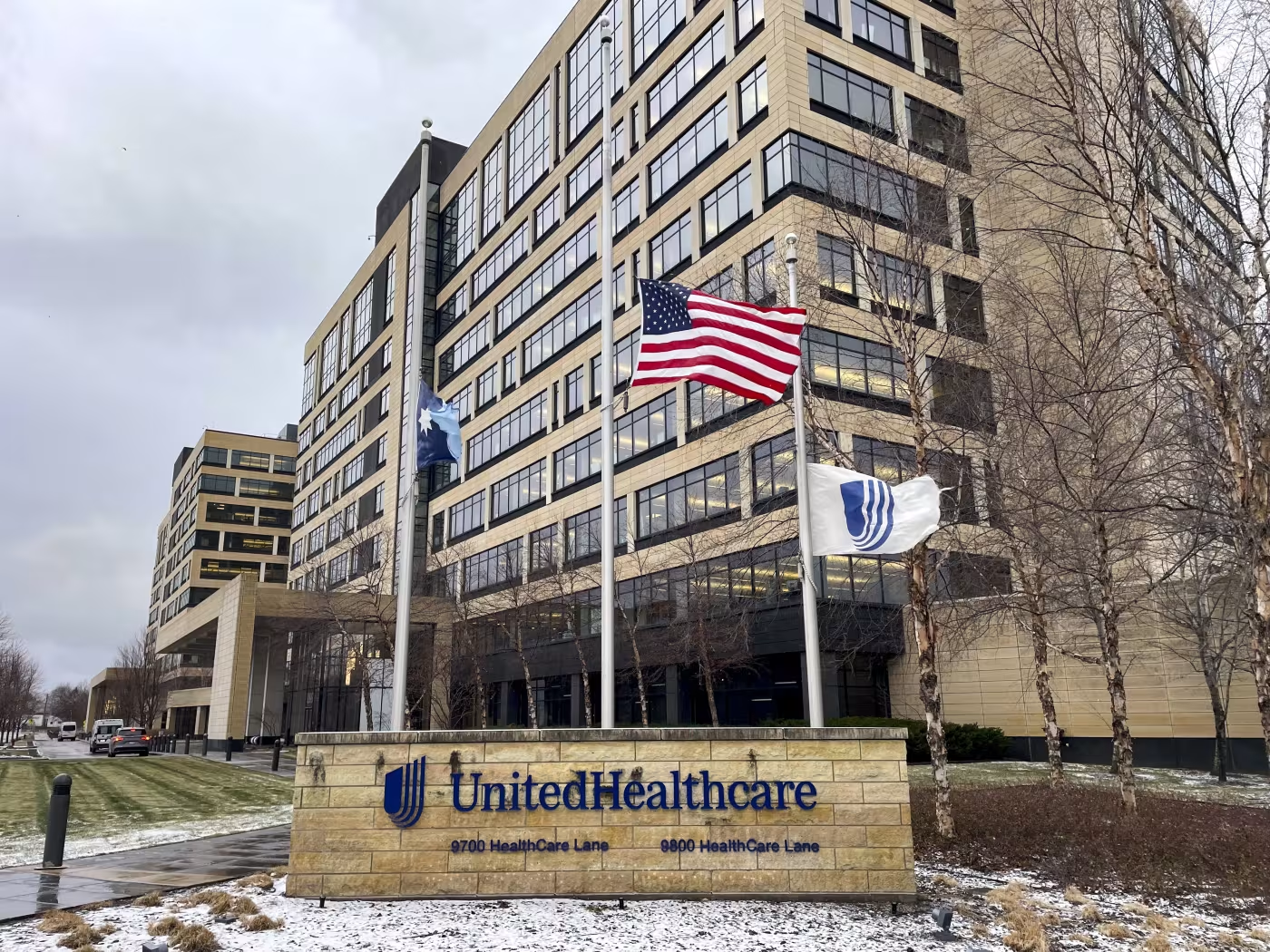
This afternoon the FEHBlog was listening to an OPM meeting about the PSHBP when someone mentioned a benefit administration letter. The FEHBlog realized that he was overdue in posting the 2025 FEHB and PSHBP Significant Plan Changes notices which appear under on OPM’s benefit administration letters page.
Carrier Letter No. 24-701 announcing that GEHA’s Indemnity Benefit Plan Elevate is the default FEHB plan for 2025.
Kevin Moss, writing in Govexec, pitches the many advantages available to annuitants over age 65 who enroll in an FEHB or PSHB plan’s Medicare Part D EGWP for 2025. Mr. Moss warns readers about the income adjusted Part D premiums (IRMAA) and the Medicare bar against using manufacturer coupons. In the FEHBlog’s opinion, the combination of the Medicare Part D’s new features for 2025 — a $2000 out of pocket maximum and the Medicare Prescription Payment Plan — outclass manufacturer coupons and diminish the impact of IRMAA which in any case is much lower for Part D compared to Part B.
“Back in 2020, the Coronavirus Aid, Relief, and Economic Security (CARES) Act first allowed HDHPs to cover telehealth and other remote care services on a first dollar basis through the end of 2021. This was initially designed to make medical care accessible during the COVID-19 pandemic, when it may not have been for many in need.
“Congress first resurrected this relief in April 2022 after a three-month hiatus. This relief was scheduled to end on December 31, 2022, until Congress extended it once again. This second extension is now coming to an end for plan years beginning on or after January 1, 2025.”
The lame duck session of Congress could pass a law extending this benefit beyond 2024.
The U.S. Preventive Services Taskforce presented its 14th annual report to Congress on “High-Priority Evidence Gaps Across the Lifespan, in All Communities” today.
From the public health and medical research front,
“Among adults with outpatient respiratory syncytial virus (RSV) infections across six RSV seasons, roughly one in 20 were hospitalized within 28 days, according to a large cohort study that used data from three health record databases.
“In the cohort of over 67,000 patients with outpatient medically attended RSV infections, hospitalization rates were 4.5% to 6.2%, and 6.5% to 8.5% in a high-risk subgroup, across the three databases, reported Joshua T. Swan, PharmD, MPH, of Pfizer in New York City, and colleagues in JAMA Network Open.
“High-risk features included age 65 and older, asthma, chronic obstructive pulmonary disease (COPD), and congestive heart failure (CHF). Across the patients in the three databases, comorbidity prevalence were 20% to 30.5% for COPD, 14.6% to 24.4% for CHF, 14.6% to 24.4% for asthma, and 14% to 54.5% for age 65 and over.
“Infection rates for RSV have been underestimated, partly due to underutilization of testing for the viruses, Swan and team noted. Although there are three available vaccines against RSV, there are few approved treatments for it.”
“Diagnoses of postpartum depression (PPD) increased significantly across all racial and ethnic groups and prepregnancy body mass index (BMI) categories over the past decade, according to a California-based cross-sectional study.
“An analysis of more than 400,000 pregnancies found that prevalence of PPD doubled from 2010 to 2021 (9.4% vs 19%), according to Darios Getahun, MD, PhD, MPH, of Kaiser Permanente Southern California in Pasadena, and co-authors.
“While rates increased across all groups, the largest increases were seen in those who identified as Asian and Pacific Islander (280% increase) and non-Hispanic Black (140% increase), they reported in JAMA Network Open.”
The National Cancer Institute released cancer information highlights about “B-Cell Lymphoma | Advanced Cancer | Skin Cancer and Darker Skin.”
“It was only last October that UCB’s up-and-coming immunology powerhouse Bimzelx first crossed the FDA finish line in psoriasis after an initial delay. Now with a new nod in hidradenitis suppurativa (HS), the drug seems to be carving the path to blockbuster land with five approved indications.
“Bimzelx, which is the first to selectively inhibit IL-17F as well as IL-17A, was cleared to treat adults with moderate to severe forms of the disease after proving it could help patients significantly reduce signs and symptoms of the condition. HS is characterized by chronic and recurring painful nodules, abscesses and pus-discharging fistulas that can have a major impact on quality of life.
“UCB is “thrilled” with the milestone, head of patient impact and chief commercial officer Emmanuel Caeymaex said in a company press release.”
“More than half of health system and health plan executives say AI is an immediate priority, and 73% are increasing their investments in the technology, a new C-suite survey finds.
“Many healthcare organizations are moving past early pilot successes to enterprise scaled solutions, but are balancing AI enthusiasm against pragmatism, according to the survey from Define Ventures of C-suite and senior executive leaders from more than 60 providers and payers.
“Define Ventures, a venture capital firm focused on early-stage health tech companies, conducted surveys and meetings with executives from 10 of the top 20 providers and three of the top 10 payers to check the industry’s pulse on AI adoption and investment. The survey took place from August through early November.”
“Pfizer on Wednesday said it will promote Chris Boshoff to chief scientific officer and president of research and development as the giant drugmaker struggles to win back the faith of investors.
“Boshoff will assume his new post on Jan. 1, succeeding Mikael Dolsten, who oversaw research at Pfizer for 15 years. The company announced Dolsten’s departure in July.
“Boshoff currently serves as chief oncology officer and is credited with delivering 24 approved new medicines and biosimilars during his 11-year tenure at the company. Boshoff has also worked as Pfizer’s head of development in Japan and as chief development officer for oncology and rare disease.”
Kauffman Hall discusses the misadventures of primary care.
“Three lawsuits filed against data analytics firm MultiPlan alleging antitrust law violations for reducing pay for out-of-network providers have been consolidated into one suit seeking class action status.
“The American Medical Association and the Illinois State Medical Society filed suit against the company in October in federal court in Illinois. Advanced Orthopedic Center, a medical practice in Poway, California filed its suit in June in federal court in New York. Orthopedic provider Dr. Curtis Robinson filed his suit in federal court in California.
“The complaints, all now in the U.S. District Court for the Northern District of Illinois, allege MultiPlan has contracts with 700 large insurers, which allows them to have unfair control of market rates for provider pay.” * * *
“A spokesperson for MultiPlan said the company intends to fight the allegations.
As we all know, the national election is Tuesday. The current Congress will return to Capitol Hill the following Tuesday November 12, to begin its lame duck session. The new Congress will begin on January 3, 2025.
In anticipation of the Federal Employee Benefits Open Season that begins on November 11, OPM has posted 2025 FEHBP and FEDVIP plan comparison tools on its website.
“Elevance Health is the latest Medicare Advantage insurer to dispute its star ratings quality scores in court.
“The health insurance company filed suit against the federal government in the U.S. District Court for the Northern District of Texas on Thursday. According to Elevance Health, the Centers for Medicare and Medicaid Services improperly assessed its quality performance, costing the insurer $375 million in bonus payments. The company won a case regarding its 2024-star ratings on different grounds, which led the agency to recalculate scores across the program.
“Elevance Health wants the court to order CMS to redo its ratings and to provide insurers with the data to “validate the 2025-star ratings calculations and future star ratings calculations,” according to its lawsuit. The insurer also seeks reimbursement the court deems appropriate.”
From the public health and medical research front,
CBS News asks and answers “Do I have COVID, the flu or something else? 2024 symptoms and testing to know.”
“More than 80 percent of emergency departments in United States hospitals are not fully prepared for pediatric cases, a new study finds, despite the fact that children make up about 20 percent of visits each year.
“The new analysis, published Friday in the journal JAMA Network Open, estimated that if every emergency department in the United States had the core features of “pediatric readiness,” more than a quarter of the child deaths that follow E.R. visits could be prevented, a figure that equates to thousands of young lives each year.
“Even in the most ill-prepared states, the cost to ready every emergency room would be less than $12 per child living there, the researchers found.
“You can now find your state and see: How many children who would otherwise die could we expect to save if we implemented universal pediatric readiness at a high level?” said Dr. Craig Newgard, who was the lead author on the paper, and is the director of the Center for Policy and Research in Emergency Medicine at Oregon Health & Science University.”
“Migraine is a surprisingly common problem, affecting an estimated 15 percent of the global population. Scientists don’t know how triggers lead to attacks but have made some progress in treatment: The latest drugs, inhibitors of a body signaling molecule called CGRP first approved for use in 2018, have been a blessing for many. For others, not so much. And it’s not clear why.”
* * * “Despite some failures, CGRP’s successes show that there’s hope for new medicines. CGRP has really paved the way,” says Andrew Russo, a neuroscientist at the University of Iowa in Iowa City who described CGRP as a new migraine target for the Annual Review of Pharmacology and Toxicology in 2015. “It’s a very exciting time for the field.”
“Binge drinking is prevalent across generations, but the dangerous habit is growing among one age group in particular.
“Long associated with college students, binge drinking, defined as having four or more drinks within two hours at least five times per month for women (five drinks for men) is on the rise among older adults. According to The National Survey on Drug Use and Health, 20% of adults aged 60 to 64, reported binge drinking in the last month. For those older than 65, the prevalence of binge drinking is 12%—a rate that has been increasing over the last decade, while binge drinking rates among young adults 18 to 25 have been going down.” * * *
“Pennsylvania’s attorney general sued Prospect Medical Holdings and its former parent company, alleging mismanagement by the hospital chain caused two hospital closures and widespread disruptions to patient care.
“The lawsuit Tuesday argues Prospect broke the terms of its 2016 purchase agreement of four-hospital system Crozer Health, which required Prospect to keep all acute care hospitals open for at least 10 years.
‘In the suit, Attorney General Michelle Henry asks for a preliminary injunction barring Prospect from closing more hospitals and requests an official receiver step in and manage Crozer Health.”
“Zoom, a company that rose to prominence during the COVID-19 pandemic, is looking to expand its presence in healthcare through artificial intelligence.
“The company recently announced plans to incorporateambient AI documentation technology from digital health companySuki in its clinical platform. Zoom plans to use the ambient AItechnology, which turns a recording of a doctor-patient conversation into usable clinical notes in the electronic health record, for virtual and in-person visits.
“It’s the latest move in healthcare from the video teleconferencing company, which has offered telehealth services since 2018.”
“While the median salary increase stayed at 4% in 2024, average increases dropped from 4.3% to 3.9%, according to survey results collected by Salary.com from more than 1,000 HR professionals in the U.S. and Canada.
“The drop is due to fewer companies doling out higher raises, Salary.com found; only 14% of companies gave out raises between 5% and 6.9%, compared with 25% of companies in the previous survey. Additionally, more companies — 38% in 2024, compared to 25% in 2023 — returned to “typical” salary increases in the 3% to 3.9% range.
“Last year, we noted that salary increases might be at a peak, even with 4 percent becoming the norm,” Andy Miller, vice president of compensation consulting at Salary.com, said in an Oct. 29 news release. “While 4 percent remained the median in 2024, further analysis suggests a shift is happening.”
Federal News Network reports on the Postal Service Health Benefits Program supplemental rule creating a Medicare Part D EGWP mandate for Postal annuitants over 65, other than those living abroad.
While the FEHBlog thinks that the new, improved 2025 version of Medicare Part D is a good deal for FEHB and PSHB annuitants over age 65, even for those with the IRMAA tax or manufacturer coupons, the FEHBlog objects to the OPM mandate because it penalizes annuitants who opt out of the Plan’s Part D EGWP by barring them from the Plan’s prescription drug benefits without any premium reduction. Although FEHB plans do include penalties for failing to use hospital pre-certification, for example, those penalties top out at $500. Prescription drugs represent 24 cents out of every healthcare dollar according to AHIP. If Congress had intended that OPM impose such a hefty penalty, it would have said so in the Postal Reform Act. The law, however, is silent.
FedSmith offers advice on the upcoming Open Season while FedWeek explains the pros and cons about FEHB / PSHP high deductible plans with health savings accounts.
“The Centers for Medicare & Medicaid Services (CMS) announced today that the Medicare Shared Savings Program (Shared Savings Program) continues to save Medicare money while supporting high-quality care. The Shared Savings Program yielded more than $2.1 billion in net savings in 2023 — the largest savings in the Shared Savings Program’s history. In addition, Shared Savings Program Accountable Care Organizations (ACOs) are providing higher-quality care and supporting policies CMS has adopted to enhance primary care, expand access to accountable care to underserved communities, and prioritize quality care for common chronic conditions.
“In 2023, ACOs in the Shared Savings Program earned shared savings payments (also known as performance payments) totaling $3.1 billion, the highest since the program’s inception more than 10 years ago. In addition, ACOs scored better on many quality measures than other types of physician groups and continued to demonstrate quality improvement. ACOs led by primary care clinicians had significantly higher net per capita savings than ACOs with a smaller proportion of primary care clinicians. These results continue to underscore how important primary care is to the success of the Shared Savings Program.”
“Oracle Health will apply to become a Qualified Health Information Network under the federal government’s health data exchange framework, the technology giant said Monday.
“TEFCA, or the Trusted Exchange Framework and Common Agreement, uses QHINs — which can represent dozens or hundreds of health systems, public health agencies, payers and health IT vendors — to support health information sharing, according to the HHS’ Assistant Secretary for Technology Policy/Office of the National Coordinator for Health IT.
“To get official designation, QHINs have to complete technology and security testing and agree to the data sharing rules before being onboarded.TEFCA went live in December with five QHINs, and two more organizations were approved early this year.”
From the public health and medical research front,
“A small tweak in the dosing regimen of Eli Lilly’s Alzheimer’s disease drug Kisunla has reduced brain swelling of patients in a trial, the company said Tuesday.
“In the phase 3 study, 14% of patients who were on the altered dosing plan experienced brain swelling (ARIA-E) events at Week 24 versus 24% of those who received the standard dosing of Kisunla, which was approved by the FDA in July.
‘The difference adds up to a 41% reduction in ARIA-E and could lead to a label change and help convince doctors to prescribe the anti-amyloid therapy, which is competing with another Alzheimer’s drug in its class, Eisai and Biogen’s Leqembi.”
“Edwards Lifesciences’ Early TAVR trial results showed asymptomatic patients with severe aortic stenosis had better outcomes after transcatheter aortic valve replacement than under routine clinical surveillance.
“Analysts said the positive data could help Edwards reaccelerate growth in its TAVR business, where sales have slowed in recent quarters. The data were presented Monday at the Cardiovascular Research Foundation’s Transcatheter Cardiovascular Therapeutics (TCT) scientific symposium and published simultaneously in The New England Journal of Medicine.
“The study is the first randomized, controlled trial to look at early intervention with TAVR as a strategy in patients with asymptomatic severe aortic stenosis, according to Edwards. The study was funded by Edwards.”
“Shionogi & Co., Ltd. (Head Office: Osaka, Japan; Chief Executive Officer: Isao Teshirogi, Ph.D.; hereafter “Shionogi”) today announced that its double-blind, randomized, placebo-controlled global Phase 3 study, Stopping COVID-19 pRogression with early Protease InhibitOr treatment – Post Exposure Prophylaxis (SCORPIO-PEP), met its primary endpoint. Once-daily ensitrelvir (Generic name: ensitrelvir fumaric acid, Code No.: S-217622, hereafter “ensitrelvir”) demonstrated a statistically significant reduction in the proportion of participants with symptomatic SARS-CoV-2 infection after exposure to household contacts with COVID-19 when compared to placebo. Specifically, the primary endpoint assessed COVID-19 symptoms onset through Day 10. Ensitrelvir was well tolerated by study participants and no new safety concerns were identified.
“Ensitrelvir is an investigational oral antiviral that suppresses the replication of SARS-CoV-2 by selectively inhibiting the viral 3CL protease. Ensitrelvir was granted Fast Track designation by the U.S. Food and Drug Administration in 2023 for the treatment of COVID-19. In Japan, ensitrelvir, known as Xocova®, received emergency regulatory approval in 2022 and full approval in March 2024 for the treatment of COVID-19. Ensitrelvir was also made available in Singapore based on the Special Access Route application in 2023. It remains an investigational drug outside of Japan and Singapore.
“COVID-19 remains an important public health priority, yet there are currently no oral antiviral medications approved for post-exposure prophylactic use. There is a need for convenient, preventive approaches to protect ourselves and those close to us from contracting SARS-CoV-2,” said Simon Portsmouth, MD, FRCP, Senior Vice President, Head of Clinical Development. “These data demonstrate a new potential for post exposure prophylactic use of ensitrelvir, expanding on the breadth of clinical and real-world evidence that establish its activity in those infected with SARS-CoV-2.”
AHRQ’s Medical Expenditures Panel Survey lets us know,
Among adults who reported ever having COVID-19, 13.7 percent reported ever having long COVID.
Women were more likely than men to report ever having long COVID (16.5% vs. 10.5%).
Adults aged 18-34 were less likely than all other age groups to report ever having long COVID (9.8% vs. 13.5%-17.9%).
Adults living in high-income households were less likely to report ever having long COVID (11.0%) than those living in middle-income households (15.6%), low-income or near poor households (17.4%), and those living in poor households (17.2%).
Adults living in a metropolitan statistical area reported lower rates of ever having long COVID than those living outside of a metropolitan statistical area (12.7% vs. 19.7%).
“Elevated body mass index (BMI) in children and young adults was associated with an increased risk of post-acute sequelae of SARS-CoV-2 infection (PASC), or long COVID, a large retrospective cohort study suggested.
“Those with obesity had a 25.4% increased risk of long COVID (relative risk [RR] 1.25, 95% CI 1.06-1.48) and those with severe obesity had a 42.1% increased risk (RR 1.42, 95% CI 1.25-1.61) compared with children and young adults who had healthy weight, reported Yong Chen, PhD, of the University of Pennsylvania in Philadelphia, and colleagues.
“Similarly, there was an increased likelihood of encountering any manifestation of potential long COVID symptoms and conditions among those with obesity (RR 1.11, 95% CI 1.06-1.15) and severe obesity (RR 1.17, 95% CI 1.14-1.21), they said in JAMA Network Openopens in a new tab or window.
“To our knowledge, this retrospective cohort study is the first and the largest to explore the association of BMI status with PASC among the pediatric population,” Chen and co-authors wrote. “The findings suggest that PASC may lead to poorer long-term quality of life, affecting physical health, educational achievement, and social development; this underscores the importance of early identification, prevention, and targeted interventions to mitigate these risks.”
The U.S. Preventive Services Task Force (USPSTF) has opened for a public comment the following recommendations:
Population: Pregnant or postpartum persons and women of reproductive age
Recommendation: The USPSTF recommends that clinicians screen for intimate partner violence (IPV) in pregnant and postpartum persons and women of reproductive age. See the “Practice Considerations” section for information on evidence-based multicomponent interventions and for information on IPV in men.
Grade: B Population: Older or vulnerable adults Recommendation The USPSTF concludes that the current evidence is insufficient to assess the balance of benefits and harms of screening for caregiver abuse and neglect in older or vulnerable adults. See the “Practice Considerations” section for additional information. Grade: I (inconclusive)
“In 2018, the USPSTF recommended that clinicians screen for IPV in women of reproductive age and provide or refer women who screen positive to ongoing support services. The USPSTF also concluded that the evidence was insufficient to assess the balance of benefits and harms of screening for abuse and neglect in all older or vulnerable adults. The current draft recommendation statement is consistent with the 2018 recommendation. To highlight that the evidence base focused on pregnant and postpartum persons, the USPSTF emphasized this population in this draft recommendation statement. For abuse of older or vulnerable adults, the term “caregiver” was added before abuse or neglect when appropriate to clarify when the focus was on screening for abuse or neglect perpetrated by a caregiver or someone they trust.”
The public comment deadline is November 25, 2024.
Healio relates that “A modified screening with additional questions about suicidal ideation was better at predicting suicide attempts among adolescents than the standard questionnaire, according to findings published in JAMA Network Open.“
“In Appalachia, in the heart of one of the earliest and deadliest waves of the opioid crisis, doctors at West Virginia University’s Rockefeller Neuroscience Institute are conducting a radical experiment. Using focused ultrasound waves, they are resetting cells inside the brain’s reward center, the nucleus accumbens. They hope the procedure can treat addictions ranging from drugs like opioids and methamphetamine to gambling and eating.
“While neuroscientists have long defined addiction as a brain disease, tools to fight the U.S. drug crisis that is behind 100,000 overdose deaths a year have changed little in decades. Most treatment involves medications like methadone and buprenorphine to replace other opioids, or naltrexone to block the part of the brain that feels pleasure from alcohol or opioids. For many addictions, counseling and abstinence-based 12-step programs remain the go-to treatment.
“At RNI’s 30-patient residential-treatment program, more than two-thirds of patients relapse within the first few weeks. Many illicit drugs, including meth and cannabis, don’t have any prescription medications to treat the addiction.
“Now, the institute’s trial using ultrasound is a peek at a future that treats the physical brain, rather than using medication or behavioral approaches to alter outcomes. “We need to inject technology into this,” said Dr. Ali Rezai, a neurosurgeon and executive chair at the institute.
“The RNI team is also studying a pill that monitors vital signs and releases overdose-reversal medication automatically in people who overdose. In another trial, they are monitoring the heart rates, emotions, sleep and cravings of thousands of drug users who are helping to train artificial intelligence to predict a relapse before it occurs, so that recovery coaches can intervene.”
“PfizerPFE punched back against activist investor Starboard Value on Tuesday, delivering positive quarterly results.
“The pharmaceutical company raised its revenue outlook for the year to between $61 billion to $64 billion, up from $59.5 billion to $62.5 billion previously. It also raised its guidance on adjusted annual earnings per share to a range of $2.75 to $2.95, up from $2.45 to $2.65.
“The encouraging third quarter comes as Pfizer faces pressure from activist investor Starboard, which says poor investments in research and dealmaking have helped destroy billions of dollars in market capitalization. The latest earnings highlight Pfizer’s third consecutive quarter with positive results—a bright spot that could bolster the drugmaker, and Chief Executive Albert Bourla’s efforts to revamp the company.
‘Pfizer also beat Wall Street’s expectations on quarterly sales and earnings. The company reported sales totaling $17.7 billion, driven by Covid-19 products and cancer medicines, up from the $14.9 billion forecast by analysts surveyed by FactSet. The Covid-19 antiviral Paxlovid generated $2.7 billion in quarterly sales, while its Covid-19 vaccine Comirnaty sold $1.4 billion, both topping analyst forecasts.”
“CVS Health’s MinuteClinic is becoming an in-network primary care provider for select Aetna plan members.
“Aetna commercial, individual and family health plan members in San Antonio, Houston, Atlanta and south Florida have the option to use MinuteClinic as an in-network primary care provider, with members in North Carolina becoming eligible in the coming weeks, said Dr. Creagh Milford, retail health president at CVS Health.
“CVS has been investing in staffing, technology and training at its MinuteClinic sites for months to expand primary care services in certain markets chosen based on patient density, demographics and existing services in those areas, Milford said.
“We’re seeing a lot of growth in the model,” Milford said. “Our ambition is to move the patient perception and the payer perception from one of an episodic, acute care model toward a longitudal, relationship-based primary care model.”
“CVS is in talks with other health plans to grow the MinuteClinic primary care approach, he said.”
“More than a year has passed since Dana-Farber Cancer Institute dumped Mass General Brigham for a rival hospital chain, but the state’s biggest health care system is making a push now to say when it comes to cancer care, MGB’s still got it.
“Beginning in 2028, Dana-Farber will end its long and nationally acclaimed adult oncology partnership with Brigham and Women’s Hospital. Instead, it will team up with Beth Israel Deaconess Medical Center to open a new freestanding 300-bed, $1.68 billion cancer hospital in the Longwood Medical Area.
“Dana-Farber’s announcement of the divorce in September 2023 stunned executives at the Brigham and rocked the hyper-competitive hospital industry. But now MGB is fighting back by creating what it calls the Mass General Brigham Cancer Institute, which the health system is trumpeting in an intensive marketing campaign.
“The institute won’t be a freestanding hospital. But it will, for the first time, combine the expertise and resources of MGB’s two flagship hospitals, Massachusetts General Hospital and the Brigham, whose cancer operations were previously separated by a firewall because of the latter’s partnership with Dana-Farber.
“What really started as a disruptive event a year ago, saying that Dana-Farber will be exiting after a few years, has now become a new opportunity for us to rethink how we deliver care,” O’Neil Britton, chief integration officer for MGB, said Monday at a round-table discussion at Massachusetts General Hospital with reporters.”
“Exactly three years after an initial FDA green light for the third-line treatment of leukemia, Novartis’ Scemblix has won an accelerated approval to treat newly diagnosed patients.
“Tuesday, the FDA cleared Scemblix to treat patients with newly diagnosed Philadelphia chromosome-positive (Ph+) chronic myeloid leukemia (CML) in the chronic phase. The first-line nod marks an important step for the Gleevec follow-up on its way toward reaching the company’s peak sales projection of $3 billion.
“Only about 15% of Ph+ CML patients reach the third-line treatment setting, Victor Bulto, Novartis’ U.S. president, noted in an interview with Fierce Pharma.
“The Swiss drugmaker has its work cut out in this use. While Scemblix has quickly become the standard of care in third-line Ph+ CML because of a lack of alternative treatments, the first-line market will feature a couple hurdles for the new entrant.”
“Paragon Therapeutics, a biotechnology company creator with a web of spinouts, is taking a new startup public to develop an emerging type of cancer immunotherapy.
“The startup, Crescent Biopharma, on Tuesday announced a reverse merger with GlycoMimetics, a struggling, publicly traded developer of oncology and inflammatory disease drugs. In support of the deal, the combined company has raised $200 million in financing from 17 major investment firms — among them Fairmount and Venrock Healthcare Capital Partners — and expects that money to keep it operating through 2027.
“The new company will take the Crescent name, be about 97% owned by Crescent stockholders, and be led by the startup’s interim CEO and Fairmount venture partner Jonathan Violin. Its chief goal will be to advance a group of cancer medicines led by a dual-pronged immunotherapy that simultaneously targets the proteins PD-1 and VEGF.
“GSK will pay $300 million to acquire a bispecific antibody from Shanghai-based Chimagen Biosciences that it believes has the potential to treat autoimmune diseases like lupus.
“The drug, which is currently in Phase 1 testing for cancer in the U.S. and China, is what’s known as a “T cell engager.” It binds to two cell surface proteins called CD19 and CD20, which GSK notes could help deplete malfunctioning B cells.
“In a Tuesday statement, GSK said it plans to begin a Phase 1 trial of Chimagen’s drug sometime next year, assuming the proposed licensing deal clears customary regulatory review.”
“OPM today released the 2024 OPM Federal Employee Viewpoint Survey (FEVS) results, the largest worldwide survey of government employees that annually tracks how employees view workforce management, policies, and new initiatives. This year’s results show steady improvement in nearly all areas and the highest-ever Employee Engagement Index (EEI) score since OPM began tracking the metric in 2010. The EEI assesses the critical aspects of an engaged workforce including perception of leadership, supervisors, and intrinsic work experience.” * * *
“For the full collection of data, see the OPM FEVS dashboard. This tool provides the public with a dynamic way to access and visualize governmentwide and agency-size survey results and trends of the past five years. New content in the 2024 dashboard release features inclusion of results by Federal Executive Board region and will enhance each Board’s ability to address specific challenges within their geographical area.
Many federal human capital experts have said receiving the results of FEVS each year is only the first step for long-term workforce planning. To actually make improvements for their employees, experts say agency leaders have to then analyze the FEVS results and make adjustments as necessary. Later this fall, the Chief Human Capital Officers (CHCO) Council plans to publish a FEVS “toolkit” including recommendations for how leaders can make changes based on FEVS, as well as strategies for action planning and better communication with employees.”
Tammy Flanagan, writing in Govexec, points out ten important facts about Medicare that folks approach age 65 need to know.
Federal News Network is offering a Federal Benefits Open Season feature
The American Hospital Association News lets us know,
“A report released Oct. 17 by the Senate Homeland Security Committee’s investigative subcommittee scrutinizes some of the nation’s largest Medicare Advantage insurers for their use of prior authorization and high rates of denials for certain types of care. The subcommittee sought documents and information from the three largest MA insurance companies — UnitedHealthcare, Humana and CVS — and investigated their practice of “intentionally using prior authorization to boost profits by targeting costly yet critical stays in post-acute care facilities.”
“The report found that between 2019 and 2022, UHC, Humana and CVS denied prior authorization requests for post-acute care at far higher rates than other types of care. In 2022, UHC and CVS denied prior authorization requests for post-acute care at approximately three times higher than the companies’ overall denial rates, while Humana’s prior authorization denial rate for post-acute care was more than 16 times higher than its overall denial rate. The report also found increases in post-acute care service requests subjected to prior authorization and denial rates for long-term acute care hospitals, among other findings.”
In the past, such practices were praised as cost containment, a now forgotten policy.
Thompson Reuters delves into “HHS FAQs [that] elaborate on HIPAA Administrative Simplification Enforcement and Compliance.”
From the public health and medical research front,
The Washington Post reports the latest news about the ongoing massive meat recall over a Listeria concern.
The recalled products include about 11,765,285 pounds of ready-to-eat meat and poultry items[prepared by BrucePac] that have been sold at stores across the country, including Walmart, Target, Aldi, Trader Joe’s, Kroger, Publix, Wegmans and more.
Initially, the [USDA Food Safety and Inspection Service] FSIS said the recalled goods have the establishment numbers 51205 or P-51205 inside or under the USDAmark of inspection on their labels, but it cautioned later that some recalled products could bear a different number “due to further distribution and processing by other establishments.”
The FSIS is encouraging consumers to review a more than 340-page list of labels and products included in the recall. The list has images of labels with 7-Eleven, Amazon Kitchen, Boston Market, Dole, Taylor Farms, Giant Eagle and ReadyMeals branding, among several other name brands.
Among the recalled items are chicken-based salad bowls, wraps, sandwiches, burritos and pastas.
In an Oct. 15 update, the FSIS said that the recalled foods had been distributed to schools, in addition to restaurants and institutions, but that a school distribution list was not yet available. “These products should be thrown away or returned to the place of purchase,” it said.
The NIH Director Dr. Monica Bertagnolli writes in her blog,
“Proteins are vital to our bodies. They serve as structural building blocks for our tissues and organs and are responsible for their functioning in both health and disease. Genes, like recipes, contain instructions for making proteins. Usually, each essential protein is produced from a single gene. Now, new research shows that some bacteria can actually produce two or more proteins from a single gene by “flipping” underlying stretches of DNA.
“While scientists have long known that DNA inversions can occur in bacteria, this study is the first to describe these inversions, or “invertons,” within individual genes. What’s more, the findings, from research supported by NIH and reported in the journal Nature, suggest that this flipping happens more often than scientists suspected.
“The findings, from Ami S. Bhatt at Stanford Medical School in Stanford, CA, and her colleagues, may have important implications, not only for bacteria, but also for human health. For example, bacteria’s ability to flip genes and alter proteins on their surfaces may restrict the ability of our immune systems to recognize and effectively respond to infectious microbes. Invertons also likely play roles in how our microbiomes, the communities of microorganisms that live in and on us, develop and change within our bodies. Our microbiomes influence our metabolisms, immune responses, and more. * * *
“The researchers now want to investigate the mechanisms causing inversions. They expect that these findings are just the tip of the iceberg for understanding the role of invertons in bacteria’s ability to adapt and thrive. They also suggest that, as we learn more about links between this process in bacteria and human diseases, we might find ways to harness it for improving human health.”
“Feel like it takes longer to recover from everything these days—whether it’s an injury or poor sleep? That’s the reality of what time is doing to our bodies.
“Researchers call our ability to bounce back from health stress “biological resilience.” Evidence suggests that it declines with age, driven by biological and other factors, including parenting, work stress, changes in exercise habits and menopause.
“Often, these stresses pile up from early life and can reach a tipping point in our 30s and 40s.
“There are these moments where the whole system seems to undergo like a vibe shift,” says Dr. Heather Whitson, a geriatrician and clinical investigator who directs the Duke University Aging Center.
“These midlife declines in resilience parallel emerging science suggesting that aging itself doesn’t happen in a linear way, doctors and researchers say. A small study out of Stanford that looked at biomolecular shifts in the body found two aging “waves” appear to occur around ages 44 and 60.
“While the Stanford study’s findings are difficult to generalize to the broader adult population, family-medicine doctors report seeing similar age-related changes in their patients. The first shift often happens for patients in their late 30s and early 40s, says Dr. Benjamin Missick, family medicine doctor at Novant Health in North Carolina.”
“Drugs such as Novo Nordisk’s blockbuster Ozempic can cut drug and alcohol abuse by up to 50% according to a new study, adding to mounting evidence that the drugs yield health benefits beyond diabetes and weight loss.
“In a study published Thursday in scientific journal Addiction, around 500,000 people with a history of opioid use disorder were analyzed, of which just more than 8,000 were taking either GLP-1 drugs such as Ozempic or the similar GIP class of drugs that Eli Lilly’s Mounjaro belongs to.
“GLP-1 drugs work by mimicking a gut hormone to control blood sugar and suppress appetite while GIP medications take a dual-target approach by mimicking both the GLP-1 hormone and a second gut hormone that is believed to enhance the drug’s effectiveness.
“The study found that those taking the drugs had a 40% lower rate of opioid overdose compared with those who didn’t.
“Similarly, an analysis of more than 5,600 people with a history of alcohol use disorder and who took the drugs showed they had a 50% lower rate of intoxication compared with those who didn’t take them.
“Our study… reveals the possibilities of a novel therapeutic pathway in substance use treatment,” the study’s lead researcher Fares Qeadan and co-authors of the research report Ashlie McCunn and Benjamin Tingey said.
“People with advanced Parkinson’s disease have a new treatment option, as the Food and Drug Administration on Thursday approved a combination therapy from AbbVie that’s designed to provide longer-lasting movement control.
“Parkinson’s is hallmarked by unintentional muscle movements like shaking or stiffness — the result of nerve cells progressively breaking down and dying. Two drugs, carbidopa and levodopa, have become mainstay treatments for the motor symptoms associated with the disease. AbbVie’s now-approved Vyalev pairs these medications together, but in a unique way.
“Vyalev uses “prodrug” versions of carbidopa and levodopa, meaning their therapeutic effects aren’t felt until they’re metabolized. Additionally, Vyalev is the first and only levodopa-based therapy given as a 24-hour infusion, similar to an insulin pump. That could be particularly useful for people with advanced Parkinson’s, who often have trouble swallowing pills because of their impaired motor function.”
Low-dose oral food challenges in infants with allergies are safe, with skin symptoms as the most common reaction, and no cases of anaphylaxis reported.
The study supports early introduction of allergenic foods to build tolerance, aligning with guidelines for early peanut introduction.
“University of Pennsylvania and Children’s Hospital of Philadelphia researchers have developed the first mRNA Clostridioides difficile vaccine — and it’s shown promising results in animal models.
“The mRNA vaccine was found to protect against first-time C. diff infections and relapsing infections, promote clearance of existing C. diff bacteria in the gut and overcome deficits in host immunity to protect animals from infection, according to an Oct. 17 system news release. The study was published in Science and could pave the way for clinical trials.
“Researchers used the mRNA-LNP vaccine platform — the same that provided the COVID-19 vaccines — to create the C. diff vaccine.”
“But CEO Gail Boudreaux said the increased costs pressuring its Medicaid segment would alleviate as states updated their payment rates to better match member acuity. “We remain confident in the long-term earnings potential of our diverse businesses as we navigate a dynamic operating environment and unprecedented challenges in the Medicaid business,” she said in a statement.”
“Elevance Health took a hit on its Medicare Advantage star ratings for 2025 and plans to do something about it, President and CEO Gail Boudreaux told investor analysts Thursday.
“The for-profit Blue Cross and Blue Shield licensee is the latest Medicare Advantage insurer to push back on the lower quality scores the Centers for Medicare and Medicaid Services announced last week. UnitedHealthcare parent company UnitedHealth Group already sued the agency and Humana is appealing to CMS before taking other actions.
“We have challenged our initial score with CMS and are considering all of our options,” Boudreaux said when announcing the company’s third-quarter financial results.”
“Evernorth has tapped Transcarent to power its Oncology Benefit Services offering, which aims to offer end-to-end support for cancer patients for the course of their care journey.
“The companies announced Thursday that the program is built on a digital platform that unites key cancer services across the patients’ medical and pharmacy benefits and connects them to a dedicated care team for personalized support and outreach.
“This digital platform makes it easier for employers to offer a “streamlined” experience to workers, according to the announcement. Through it, members can reach dedicated oncology nurse navigators who have an American Cancer Society Leadership in Oncology Navigation (ACS LION) certification, find and schedule appointments with cancer centers of excellence, connect to virtual care or have key drug consultations.
“Nurse navigators are also trained to provide support to the patients’ caregivers. They’re able to provide educational materials, assistance in appointment scheduling and answers to key questions.”
“Changing consumer trends and market dynamics are leading to hundreds of pharmacy store closures in the U.S.
“Brick-and-mortar locations are losing to mail-order and digital options, according to a J.D. Power study of pharmacy customers. Between 2023 and 2024, overall customer satisfaction in physical drug stores declined 10 points on a 1,000-point scale, and satisfaction scores for mail-order pharmacies increased six points.”
“Deloitte research indicates that by ensuring virtual health offerings prioritize convenience and address consumer preferences, health systems could gain a competitive advantage.”
“CMR Surgical won Food and Drug Administration authorization for its Versius robot with an initial indication for gallbladder removal surgery. CMR will partner with select hospitals as the first part of a multistage strategic plan to introduce the robot in the U.S.
“The authorization is the first granted through the FDA’s de novo pathway for a multiport, soft tissue general surgical robot, CMR said in a Monday announcement. The de novo process brings new medical devices to market that may serve as predicates for other 510(k) submissions.
“The company announced the milestone less than a week after it named Massimiliano Colella as interim CEO, replacing Supratim Bose, who stepped down for personal reasons after less than two years in the job.”
“For the second time in as many weeks, the Office of Personnel Management has announced that it will establish a temporary leave-sharing program to help employees who need time off from work to recover following Hurricane Milton’s landfall in Florida Wednesday.
“After a brief dalliance with Category 5 winds, Milton struck as a Category 3 storm near Tampa, creating tornadoes and other storm damage as it crossed the state before entering the Atlantic Ocean, killing at least 18 Americans as of Friday.
“In a memo to agency heads Thursday, Acting OPM Director Rob Shriver announced that, as the agency did in connection with Hurricane Helene, which inundated several states across the southeast last month, OPM will establish an emergency leave transfer program for federal workers in Florida. Such programs allow federal employees to donate unused paid leave so that colleagues who need to take time off to recover from a natural disaster can do so without dipping into their own paid or unpaid leave.”
“Throughout the week of October 13–19, the U.S. Department of Health and Human Services’ Office on Women’s Health (OWH) will be raising awareness about high blood pressure, also known as hypertension, to improve women’s health outcomes. Information provided during National Women’s Blood Pressure Awareness Week (NWBPAW) aims to help women understand and manage their heart health with suggested strategies and highlighted resources that can help prevent or control high blood pressure.
“This year’s NWBPAW theme, “Empower Every Era: Blood Pressure Control Across the Lifespan,” emphasizes the importance of monitoring and controlling blood pressure across every stage of life, from young adulthood through menopause and beyond. The theme also focuses on heart health disparities, particularly for women in underserved and underrepresented communities.”
From the public health and medical research front,
“In the last 30 years, HIV rates have gone down, in large part because of the game-changing prescription drug pre-exposure prophylaxis (PrEP), which reduces the risk of contracting HIV through sex by 99%. Since the FDA approved the drug in 2012, more people have started to use it, and HIV rates have steadily decreased. But not everyone is seeing the same results.
“From 2019 to 2022, 94% of white people who could benefit from PrEP were prescribed it, while only 13% of Black and 24% of Latino people were. HIV— which has claimed an estimated 42.3 million lives to date and remains a global public health issue—continues to have a disproportionate impact on people of color, men who have sex with men, and trans women. The lifetime risk of acquiring HIV is still 1 in 3 for Black gay and bisexual men, according to data from the Centers for Disease Control and Prevention (CDC).
“Ending the HIV epidemic hinges on both treatment and prevention, particularly through access to PrEP. For at-risk individuals living in the U.S. South—where HIV is a daunting reality—PrEP use is very low compared to the number of new HIV cases.
“The South had 53% of new HIV diagnoses in 2022 but represented only 39% of PrEP users in 2023. Regionally, Black people made up 48% of new HIV diagnoses in 2022, but only 22% of PrEP users in 2023. While PrEP is more accessible in metropolitan areas, educational barriers, healthcare costs and anti-LGBTQ+ stigma still hinder access, particularly in rural areas and the Bible Belt.”
“Men are more open about depression and anxiety than even a decade ago—in part thanks to celebrities who have been open about their own mental-health struggles, including Prince Harry, singer-songwriter Noah Kahan, Dwayne “the Rock” Johnson, Michael Phelps, and Ryan Reynolds, to name just a few. “We all have mental health in the same way that we all have physical health,” Harry, co-founder of the Heads Together campaign to end mental health stigma in the UK, once said. “It’s OK to have depression, it’s OK to have anxiety, it’s OK to have adjustment disorder.”
“Still, the stigma persists—especially for men: In the U.S., only 40% of men with a reported mental illness received mental health care services in the past year, as compared to 52% of women with a reported mental illness, according to 2022 statistics from the National Institute of Mental Health. Yet men are nearly four times more likely to die by suicide than women, according to the American Foundation for Suicide Prevention.
“There is a drastic need for men to address their mental health, but that stigma of ‘It’s going to make me weak’ is holding them back” licensed mental health counselor Ryan Kopyar, author of the book Big Boys Do Cry, tells Fortune.
The article explains “Kopyar and other mental health experts suggest that slight shifts in perspective could do a world of good when it comes to allowing men to feel more open to receiving support, whether through therapy or just a good friend.”
Healio offers an interview between Susan Weiner, MS, RDN, CDN, CDCES, FADCES, and Judy Simon, MS, RDN, CD, CHES, FAND, about “how women seeking to conceive, whether naturally or with assisted reproduction, can optimize nutrition to boost fertility.”
Some 80 percent of U.S. emergency rooms are not fully prepared to handle children’s emergencies, a recent analysis suggests.
Writing in Health Affairs, a national group of researchers says the quality of care for kids in U.S. emergency rooms is “highly variable,” but that achieving high readiness nationwide is “highly cost-effective.” * * *
“Increasing pediatric readiness would reduce mortality, increase life expectancy and improve pediatric patients’ lives, the researchers write, cutting ED and hospital mortality by 33.47 deaths per 100,000 children.
“Achieving and maintaining high pediatric readiness for all EDs in the US could save the lives of thousands of children each year, at an annual cost of approximately $260 million,” the researchers conclude. It would be more cost-effective than other interventions such as routine hepatitis A vaccination, hepatoblastoma screening for children with extremely low birth weight and other programs, the researchers note, calling a nationwide investment in pediatric ER readiness “robustly cost-effective.”
People were asked to rate their level of agreement with this statement: “If I wanted to lose weight, I would rather take an injectable weight-loss drug, rather than make a diet change.” More than half (62%) disagreed, with 14% reporting the statement didn’t apply to them because they don’t need to lose weight. Nearly three-fourths (73%) of applicable respondents disagreed.
“The new findings do not mean that Americans do not want to lose weight,” PCRM president Dr. Neal Barnard said in a news release about the survey. “Rather, most would prefer to change their eating habits than inject a medication.”
“Microsoft unveiled several new artificial intelligence (AI) tools on Thursday aiming to support health care organizations through medical imaging models, health care agent services and an AI-driven workflow solution for nurses.
“Theannouncement detailed how each tool will improve workflow for busy health care professionals.”
Govexec observes “The Office of Personnel Management’s inspector general last month reported that the federal government’s dedicated HR agency faces taller tasks in the form of launching a health insurance program for postal workers and verifying enrollees’ eligibility for the Federal Employees Health Benefits Program.”
While Govexec accurately reflects the substance of the OIG’s report, the FEHBlog disagrees with the OIG conclusions for the following reasons —
The OIG and GAO focus on family member eligibility issues. FEHB carriers, or their underwriters, hold the FEHB Program’s insurance risk. The biggest eligibility issue is that OPM does not use the HIPAA 820 enrollment roster transaction which would allow carriers to electronically reconcile individual enrollees with the premiums. This remains a yawning internal gap for the FEHBP.
OPM intelligently is assigning Postal employees and annuitants to their appropriate PSHB plan this month. OPM is electronically notifying carriers about these enrollments and OPM is mailing notices to these folks about their enrollments which can be changed during Open Season. If OPM’s new enrollment system breaks down (see healthcare.gov in 2013), the FEHBlog is certain that OPM has a Plan B for making PSHB enrollment change. In the FEHBlog’s view, OPM’s plan provides a high likelihood that the PSHB will timely launch on January 1, 2025.
“The Centers for Medicare and Medicaid Services (CMS) issued Final Rules on how and when civil monetary penalties may be imposed when Responsible Reporting Entities (RREs) fail to meet their Medicare Secondary Payer (MSP) reporting obligations.
“Under MSP rules, group health plans are required to submit certain information to CMS on plan participants that are dual enrolled in the group health plan and Medicare. By doing so, CMS can better identify when another party should pay primary, thereby avoiding unnecessary claims payment mistakes.
“Generally, a group health plan RRE is the insurer for fully insured plans and the third-party administrator (TPA) for self-funded plans. Employers are not likely to be an RRE, or otherwise have direct reporting obligations, unless as plan administrator they both self-fund and self-administer the plan. However, employers will need to provide any required information requested by the RRE (i.e., insurer or TPA) for them to accurately submit the reporting on the employer’s group health plan to CMS.
“Penalties against an RRE are up to $1,000 (as adjusted) per instance of noncompliance for each calendar day that a record is late, with a maximum annual penalty of $365,000 per instance. Penalties may be waived if RREs can show “good faith efforts” to report any records identified by CMS as being noncompliant. Also, CMS will apply a five-year statute of limitations on assessing civil monetary penalties for violations of mandatory reporting requirements.”
Important Dates
December 11, 2023: Effective date for the Final Rules.
October 11, 2024 / TODAY: Earliest date the provisions of the Final Rules will be applied.
October 11, 2025: Start date for compliance review and penalty enforcement.
April 1, 2026: CMS begins quarterly compliance audit; reviewing a random sample of 250 new records per quarter for a total of 1,000 records per year.
“Medicare patients changed to outpatient “observation status” after they were initially hospitalized now have a chance to appeal their reclassification under a rule finalized by the Biden administration on Friday.
“The rule (RIN 0938-AV16) would implement a 2020 ruling by the US District Court for the District of Connecticut in a class action involving a dispute over Medicare’s obligation to pay for hospitalizations and long-term care for elderly patients.”
“Teva Pharmaceuticals will pay $450 million to resolve allegations that the generic drug manufacturer submitted false claims and violated a federal law that prohibits the payment of kickbacks to generate federal healthcare business or induce patient referrals.
“The Justice Department on Thursday said the settlement amount was based on the company’s, whose U.S. headquarters is in Parsippany, N.J., ability to pay. As part of the settlement, there was no admission of wrongdoing on Teva’s part.
‘Teva said it is pleased to put these matters in the past in order to focus on developing and providing access to medicines for patients who need them.”
The American Hospital Association News points out,
A survey released Oct. 9 and funded by the American Foundation for Suicide Prevention, the Suicide Prevention Resource Center and the National Action Alliance for Suicide Prevention, a public-private partnership whose members include the AHA, shows 63% of U.S. adults are aware of the 988 Suicide and Crisis Lifeline, a 6% increase from 2022. The survey also found that 71% of adults feel comfortable contacting a mental health hotline, while 15% said they have used one previously. Among other findings, 91% of U.S. adults perceive mental health as equal to or more important than physical health, but 49% feel that physical health is treated as more important.
From the public health and medical research front,
The Center for Disease Control and Prevention announced today,
“COVID-19 activity is declining in most areas. Seasonal influenza is low nationally. Signs of increased RSV activity have been detected in the southeastern United States, including Florida, particularly in young children.
“COVID-19
“Nationally, COVID-19 activity has continued declining in most areas. Wastewater levels, laboratory percent positivity, emergency department visits, and hospitalizations are continuing to decrease nationally while deaths remain at low levels.
“The new XEC variant is estimated to comprise 7-16% among circulating viruses as of October 12, 2024. Because XEC is recombined from two JN.1 lineage viruses, the 2024-2025 COVID-19 vaccines that already include JN.1 strains are still expected to provide protection. Similarly, there are no impacts currently expected on tests, treatments, or symptoms at this time. For additional information, please see CDC COVID Data Tracker: Variant Proportions. There are many effective tools to prevent spreading COVID-19 or becoming seriously ill.
“Nationally, RSV activity remains low. However, continuing signs of increased RSV activity have been detected in the southeastern United States, including Florida, particularly in young children.
“Vaccination
“Vaccinations to prevent fall respiratory viruses have started for the 2024-25 fall and winter virus season. RSV, influenza, and COVID-19 vaccines are available to provide protection.
“The California Department of Public Health (CDPH) reported today that the US Centers for Disease Control and Prevention (CDC) has confirmed two of its latest probable H5 avian flu cases, as it reported another likely case based on state testing, which if confirmed would raise the state’s total to seven.
“California’s flurry of human cases is occurring amid an ongoing surge of outbreaks affecting the state’s dairy farms, which are concentrated in the Central Valley. Also today, the CDC shared the latest findings from genetic sequencing, which so far show no worrying changes.”
“Genetic sequencing has identified a second cluster of tecovirimat-resistant mpox infections in the United States—the first of its kind involving interstate spread. Researchers from the US Centers for Disease Control and Prevention (CDC) and partners from five affected states reported their findings yesterday in Morbidity and Mortality Weekly Report.
“The first Tpoxx-resistant cluster was identified in California in late 2022 and early 2023 in people who hadn’t previously been treated with the drug. The new report describes a new unrelated cluster among 18 people with no previous treatment across multiple states. * * *
“In vitro testing of seven samples showed resistance to Tpoxx. Whole-genome sequencing showed that the resistance mutations came from a common ancestor but were distinct from the earlier California cluster.
“Researchers said because not all viruses from mpox cases are sequenced, the findings likely underestimate the prevalence of the newly identified drug-resistant variant. They added that more surveillance is needed, as well as adherence to CDC Tpoxx use protocols. Also, they wrote that the findings underscore the need for more treatments for mpox, along with smallpox biothreat preparedness.”
“Roughly 15.5 million U.S. adults have attention-deficit hyperactivity disorder, and most of them struggle with gaining access to treatment for the condition, according to data from a U.S. study released on Thursday.
“Only about one-third of those reporting a diagnosis of ADHD said they had received a prescription for a stimulant drug used to treat it in the previous year, researchers reported in the U.S. Centers for Disease Control and Prevention’s Morbidity and Mortality Weekly Report.
“In addition, nearly three quarters of those with a prescription for a stimulant drug reported difficulty getting it filled because the medication was unavailable.
“Worldwide, around 2% to 5% of adults experience ADHD symptoms such as inattention, hyperactivity, and impulsivity. This study provides the first prevalence data on ADHD in U.S. adults since 2003.”
“The Food and Drug Administration approvedPfizer’s Hympavzi to prevent or reduce bleeding episodes in patients with certain kinds of hemophilia, the pharmaceutical company said.
“The approval is for patients with hemophilia A (congenital factor VIII deficiency) without factor VIII inhibitors, or hemophilia B (congenital factor IX deficiency) without factor IX inhibitors, Pfizer said Friday.
“Hympavzi, also known as marstacimab, can be given subcutaneously every week for routine prophylaxis in patients aged 12 and up as an alternative to intravenous infusions that are often administered multiple times a week, Pfizer said.
“The FDA said the drug is the first non-factor and once-weekly treatment for hemophilia B. The agency said the approval provides “a new treatment option that is the first of its kind to work by targeting a protein in the blood clotting process.”
“The Food and Drug Administrationon Thursday approved a new Roche drug for breast cancer. Called Itovebi, the drug has been cleared for use with Pfizer’sIbrance and endocrine therapy in people whose HR-positive, HER2-negative breast tumors have a mutation called PIK3CA.
It’ll compete for market share with Novartis’ Piqray, another medicine targeting PIK3CA mutations. Itovebi is one of five drugs Roche aims to add to its portfolio of breast cancer treatments, which already includes the targeted therapies Herceptin, Perjeta and Kadcyla.
“It’s never too late for a person to quit smoking, even if they’re elderly, a new study finds.
“Dropping the smokes even as late as 75 can meaningfully increase a person’s life expectancy, researchers reported recently in the American Journal of Preventive Medicine.
“Seniors aged 75 will lose on average more than four years of life if they keep smoking, compared to people who never smoked, researchers found.
“On the other hand, a 75-year-old smoker who quits has a 14% chance of gaining at least one extra year of life, and a 65-year-old smoker a 23% chance.
“And about 8% of those who quit at age 75 gain at least four years of life compared to those who keep smoking, researchers found.
“Quitting smoking is the single best thing anyone at any age can do to increase their life expectancy, researchers concluded.”
“The company is maximizing production capacity at its international sites to help add supply amid an industrywide supply shortage of PD products and IV fluids, according to the update. Fresenius Medical Care is also exploring other options to address the shortage at the Department of Health and Human Services’ request.”
Beckers Payer Issues offer new payer game plans for improving women’s health.
Fierce Healthcare provides details on the latest Medicare Advantage star scores.
“Mary Beth Jenkins will become the president and CEO of University of Pittsburgh Medical Center Health Plan starting Jan. 1.
“Jenkins was also named president of UPMC Insurance Services Division and an executive vice president of the system. She will succeed Diane Holder, who plans to retire Dec. 31 after 40 years with UPMC.
“Jenkins has been executive vice president of UPMC Insurance Services Division and chief operating officer of UPMC Health Plan since 2023. She joined Pittsburgh-based UPMC in 1998.”
Optum offers HSA plans tips on personalized member communications strategies.
Congress is on the campaign trail until sometime after the national election on November 5.
The Supreme Court will hold its opening conference of its October term 2024 tomorrow. Among the cert petitions to be considered is the State of Oklahoma’s challenge to a 10th Circuit opinion holding that ERISA preempts an Oklahoma PBM reform law (No. 23-1213). That opinion is helpful to FEHB carriers. A Supreme Court decision to grant Oklahoma’s petition would be posted on FriCBS day October 4. A Supreme Court decision to deny Oklahoma’s petition or ask the Solicitor General for her views would be posted on Monday October 7.
MedCity News delves into the FTC’s recent administrative complaint against the big three PBMs’ handling of insulin pricing.
From the public health and medical research front,
CBS News reports that “Free COVID tests [from the federal government] are back. But there are more accurate tests for sale.”
“Three-dimensional imaging outperformed older digital mammography at reducing anxiety-producing callbacks for more breast cancer testing, a new study shows. The research, published this month in the journal Radiology also suggests the newer technology might find more worrisome cancers earlier during routine screenings.
“Lead author Dr. Liane Philpotts, a Yale School of Medicine radiology professor, hailed 3D mammography, also known as digital breast tomosynthesis or DBT, as “a win, win, win.”
“We have the benefit of a lower recall rate, or fewer false positives. We have increased cancer detection, and we have a lower rate of advanced cancers,” she said. “So it’s truly a game changer.” * * *
“Still, the new study, fails to definitively answer the question of whether newer, more expensive 3D mammography finds troublesome breast cancers earlier than 2D mammography, sparing women harsh treatment and saving lives, an accompanying editorial says.
“The verdict won’t come until 2030, at the conclusion of a large-scale randomized controlled trial comparing 3D to 2D mammography, according to the editorial written by two Korea University Guro Hospital radiology professors.
“Pending the 2030 trial results, the editorial concludes, the new study provides “indirect evidence suggesting the potential of DBT screening in improving survival outcomes.”
Fortune Well asks us “Getting enough sleep but still exhausted? These 7 types of rest can help.”
“Suicide rates are lower in U.S. counties with more health insurance coverage and broadband internet access and higher income, a recent Centers for Disease Control and Prevention analysis suggests.
“The report analyzed more than 49,000 suicide deaths in 2022 from the National Vital Statistics database. Researchers compared county suicide rates to the percent of residents with health insurance coverage, households with broadband access and households with income above the federal poverty level.
‘The overall U.S. suicide rate in 2022 was 14.2 per 100,000 people, the CDC report said. Suicide rates were highest among non-Hispanic American Indians or Alaska Natives (27.1 per 100,000 population) and White people (17.6 per 100,000). The suicide rate for boys and men was nearly four times higher than for girls and women (23 per 100,000 for males vs. 5.9 per 100,000 for females). Rural residents and those ages 45 to 64 (19 per 100,000) and 24 to 44 (18.9 per 100,000) had the highest suicide rate, according to the CDC report.”
“Dr. Ralph de la Torre, a former heart surgeon who built and became the face of Steward Health Care and its network of neglected hospitals, is stepping down from the company Tuesday and will no longer serve as board chairman and chief executive, the company said in a statement to the Globe Saturday.
“With his affinity for luxury yachts and corporate jets, de la Torre became a symbol of greed in for-profit health care, amid mounting stories this year of patients harmed by shortages of staff and critical supplies at Steward hospitals. De la Torre is believed to hold a majority of shares in the private company, which was one of the nation’s largest for-profit, private health care systems, and is now being taken apart in bankruptcy proceedings.”
“The Food and Drug Administration on Friday approved Regeneron Pharmaceuticals and Sanofi’s inflammatory disease drug Dupixent for a common lung condition. The decision could significantly expand use of what is already one of the industry’s best-selling medicines.
“Dupixent is now cleared for use as an add-on maintenance treatment for adults with a certain kind of chronic obstructive pulmonary disease, or COPD, that can’t be controlled with other medications.
“The decision makes Dupixent the first biologic medicine approved in the U.S. for COPD, a lung disease that makes it difficult to breathe and is typically treated with inhaled medicines. Regeneron estimates about 300,000 people in the U.S. have the specific type of COPD that would make them eligible for treatment with Dupixent, which is administered via injection under the skin.”
“When independent hospitals are acquired by multi-hospital health systems, they experience boosts to profitability and efficiency, according to a new study published in the Journal of Political Economy Microeconomics this week.
“Acquired hospitals saw profitability increase by about $14 million per year, on increased consumer prices and cuts to nonclinical staff.
“However, when corporate-owned hospitals are acquired by other health systems, they do not experience similar efficiency gains, the study found, suggesting there is likely a limit to how much consolidation can benefit hospital performance.”
“On Thursday, September 26, 2024, the President signed into law:
“H.R. 9747, the ”Continuing Appropriations and Extensions Act, 2025,” which provides fiscal year 2025 appropriations to Federal agencies through December 20, 2024, for continuing projects and activities of the Federal Government.”
“Congress has again deferred Medicare reimbursement cuts of up to 15% for clinical laboratory tests with the passage Wednesday of a short-term government funding bill.
“The appropriations bill pushes back by one year the implementation of Medicare payment rates scheduled to take effect in January for about 800 lab services.
“We are pleased that Congress has delayed pending reductions, recognizing the harm repeated Medicare reductions would have on the nation’s health care system that relies on clinical laboratory testing every day to inform patient care,” Susan Van Meter, president of the American Clinical Laboratory Association, said in a Wednesday statement.”
Here are links on yesterday’s OPM’s 2025 FEHBP/FEDVIP premium announcement from Govexec, Fedweek and FedSmith. Govexec also reports, “Biden administration officials said that two nationwide insurers in the federal government’s employer-sponsored health care program [Blue Cross FEP and GEHA] will offer $25,000 worth of in vitro fertilization and other fertility treatments.
“Today, the U.S. Department of Health and Human Services (HHS) through the Advanced Research Projects Agency for Health (ARPA-H) announced funding for the Transforming Antibiotic R&D with Generative AI to stop Emerging Threats (TARGET) project, which will use AI to speed the discovery and development of new classes of antibiotics. This program is another action to support the United States’ longstanding commitment to combating antimicrobial resistance (AMR), from groundbreaking innovation to international collaboration. The U.S. is a global leader in the fight against AMR and has a demonstrated track record of progress in protecting people, animals, and the environment from the threat of AMR domestically and globally.”
From the public health and medical research front,
“Today, the U.S. Food and Drug Administration approved [Bristol, Myers, Squibb’s] Cobenfy (xanomeline and trospium chloride) capsules for oral use for the treatment of schizophrenia in adults. It is the first antipsychotic drug approved to treat schizophrenia that targets cholinergic receptors as opposed to dopamine receptors, which has long been the standard of care.
“Schizophrenia is a leading cause of disability worldwide. It is a severe, chronic mental illness that is often damaging to a person’s quality of life,” said Tiffany Farchione, M.D., director of the Division of Psychiatry, Office of Neuroscience in the FDA’s Center for Drug Evaluation and Research. “This drug takes the first new approach to schizophrenia treatment in decades. This approval offers a new alternative to the antipsychotic medications people with schizophrenia have previously been prescribed.”
BioPharma Dive offers an excellent explanation of the various factors affecting sales of this drug.
KFF Health News points out that “Deadly High Blood Pressure During Pregnancy Is on the Rise.”
“A New York residenthas died amid a nationwide listeria outbreak tied to Boar’s Head deli meat, the Centers for Disease Control and Prevention announced Wednesday, bringing the death toll to 10in the largest outbreak of the foodborne illness since 2011.
“The agency also reported two new hospitalizations associated with the outbreak. In total, 59 people have been hospitalized in 19 states since late May.
“Deaths have occurred in Illinois, New Jersey, New York, Virginia, Florida, Tennessee, New Mexico and South Carolina. In its latest update, the CDC noted that illnesses have started to decrease. The number of sick people is probably higher than the official case count, the agency said, since those who do not seek medical care are not tested for listeria.
“Boar’s Head identified the production process for liverwurst at its plant in Jarratt, Va., as the culprit for contaminating the meat. This month, the company announced it would indefinitely close the southern Virginia plant and permanently discontinue liverwurst.”
“Genetic mutations affect nearly all human diseases. Some genetic disorders such as cystic fibrosis are caused by mutations in a single gene that a person inherits from their parents. Other diseases can be caused by changes in multiple genes or from a combination of gene mutations and environmental factors. We still have a lot to learn about the complex ways that variations in our genes affect health and disease.
“Researchers investigating genetic disorders have primarily studied mutations that cause our cells to alter the makeup of proteins, like the most common mutations that cause cystic fibrosis. Less research has been done on alterations called synonymous mutations, which have been called “silent” because they don’t alter the makeup of proteins, leading scientists to long assume that these kinds of mutations don’t produce any noticeable differences in our biology or health. However, recent research has shown that synonymous mutations can lead to significant changes in a cell’s ability to survive and grow. A new NIH-supported study reported in Proceedings of the National Academy of Sciencessheds additional light on the impact of synonymous mutations and their effect on the way proteins are made.” * * *
“The researchers behind this study, at the University of Notre Dame in Notre Dame, IN, wanted to understand how synonymous mutations may affect how much protein is made and whether proteins are folded correctly in cells. Misfolded proteins are known to play roles in numerous diseases, including cystic fibrosis, Alzheimer’s disease, and some cancers. The study team, led by Patricia L. Clark, who received an NIH Director’s Pioneer Award in 2021 for this work, has shown that synonymous mutations in a particular gene in Escherichia coli(E. coli) bacteria can alter how the encoded protein folds as it is being made, by altering the rate at which cells produce each copy of the protein. The new research goes a step further and shows that silent mutations in one gene can affect the amount of protein produced from a separate, neighboring gene.” * * *
“This discovery in E. coli may have important implications for understanding the bacteria’s biology and evolution. Clark’s team continues to study this system to learn more. Their findings may also prove to have broader implications for biology, including for some genetic disorders. It’s an area that warrants more study and attention, to better understand the roles that synonymous mutations may be playing in genes and their effects on human health.”
“Scientists at the National Institutes of Health (NIH) and their colleagues have identified a gene responsible for some inherited retinal diseases (IRDs), which are a group of disorders that damage the eye’s light-sensing retina and threatens vision. Though IRDs affect more than 2 million people worldwide, each individual disease is rare, complicating efforts to identify enough people to study and conduct clinical trials to develop treatment. The study’s findings published today in JAMA Ophthalmology.
“In a small study of six unrelated participants, researchers linked the gene UBAP1L to different forms of retinal dystrophies, with issues affecting the macula, the part of the eye used for central vision such as for reading (maculopathy), issues affecting the cone cells that enable color vision (cone dystrophy) or a disorder that also affects the rod cells that enable night vision (cone-rod dystrophy). The patients had symptoms of retinal dystrophy starting in early adulthood, progressing to severe vision loss by late adulthood.
“The patients in this study showed symptoms and features similar to other IRDs, but the cause of their condition was uncertain,” said Bin Guan, Ph.D., chief of the Ophthalmic Genomics Laboratory at NIH’s National Eye Institute (NEI) and a senior author of the report. “Now that we’ve identified the causative gene, we can study how the gene defect causes disease and, hopefully, develop treatment.”
“Identifying the UBAP1L gene’s involvement adds to the list of more than 280 genes responsible for this heterogeneous disease.”
The U.S. Preventive Services Task Force posted a “Final Research Plan for Enhanced Risk Assessment for Cardiovascular Disease: Coronary Artery Calcium Scoring.”
From the U.S. healthcare business front,
The FEHBlog was surprised to read in Beckers Hospital Review that
Johnson & Johnson will discontinue upfront 340B drug rebates for certain hospitals, raising concerns among healthcare providers and advocacy groups. The proposed policy, set to take effect Oct. 15, would prevent certain hospitals from accessing 340B discounts for Stelara, used to treat plaque psoriasis, psoriatic arthritis and other conditions; and Xarelto, a blood thinner.
“While consumers give telehealth high marks for convenience, overall experience is fairly mixed, according to a new report.
“J.D. Power released its annual Telehealth Satisfaction Study on Thursday, and found patients overall gave a score of 730 out of 1,000 for direct-to-consumer telehealth platforms. Payer-provided telehealth earned a lower score of 708, which suggests patients encounter differences in quality and ease of access between providers.
“The study also found the highest satisfaction scores for people enrolled in Medicaid, those living in urban areas, millennials and Gen Zers. The lowest scores were among people enrolled in Medicare or commercial coverage, those living in suburban regions and members of the Boomer generation or older.”
McKinsey and Company explore “Reimagining healthcare industry service operations in the age of AI.”
KFF offers “A Snapshot of Sources of Coverage Among Medicare Beneficiaries” and tells us “Nearly 7 in 10 Medicare Beneficiaries Did Not Compare Plans During Medicare’s Open Enrollment Period.”
“Enrollees in the Federal Employees Health Benefits (FEHB) program are about to see the largest annual increase in their health insurance costs in at least a decade.
“Beginning in January, federal employees and annuitants enrolled in FEHB will pay 13.5% more, on average, toward their health care premiums, according to data the Office of Personnel Management released Wednesday.
“The significant premium increase for FEHB plan year 2025 follows a 7.7% jump for 2024, and an 8.7% increase in 2023. OPM said the increase reflects changes in the market over the last year, and generally aligns with other programs in the commercial market.
“The premium increases are due to the impact of price increases by providers and suppliers, increased utilization of certain prescription drugs and behavioral health spending,” OPM said. “Industry-wide cost pressures affect FEHB and PSHB rates similarly.” * * *
“Across the 42 health carriers for 2025, FEHB participants will see 64 plans and a total of 130 plan options.
“PSHB participants will, by contrast, have 69 plan options offered across 30 health carriers. That includes seven fee-for-service carriers and 23 health maintenance organizations (HMOs) available through the PSHB.”
Here is a link to OPM’s 2025 FEHB/PSHBP premiums website.
Federal Employees Health Benefits (FEHB)
“The 2025 biweekly maximum government contribution for most employees and annuitants (72% of the weighted average) is $298.08 for Self Only, $650.00 for Self Plus One, and $714.23 for Self and Family. The monthly maximum government contribution (72% of the weighted average) is $645.84 for Self Only, $1,408.33 for Self Plus One and $1,547.50 for Self and Family.
“For 2025, the biweekly program-wide weighted average premiums for Self Only, Self Plus One, and Self and Family enrollments with a government contribution are $414.00, $902.78, and $991.99, respectively. The monthly program-wide weighted average premiums for Self Only, Self Plus One, and Self and Family enrollments with a government contribution are $897.00, $1,956.02, and $2,149.31, respectively.”
Postal Service Health Benefits (PSHB)
“The 2025 biweekly maximum government contribution for most employees and annuitants (72% of the weighted average) is $286.09 for Self Only, $618.40 for Self Plus One, and $672.95 for Self and Family. The monthly maximum government contribution (72% of the weighted average) is $619.86 for Self Only, $1,339.87 for Self Plus One and $1,458.06 for Self and Family.
“For 2025, the biweekly program-wide weighted average premiums for Self Only, Self Plus One, and Self and Family enrollment with a government contribution are $397.35, $858.89, and $934.65, respectively. The monthly program-wide weighted average premiums for Self Only, Self Plus One, and Self and Family enrollments with a government contribution are $860.93, $1,860.93, and $2,025.08, respectively.”
“In contrast to the large increases for FEHB and PSHB premiums, the average premium rate increases for the Federal Employees Dental and Vision Insurance Program (FEDVIP) will be relatively small in 2025.
“Premiums will rise for FEDVIP dental plans by 2.97% on average, while vision plans will go up by 0.87%, OPM said.
“FEHB and PSHB participants will both be able to select from seven dental carriers offering 14 nationwide plan options for 2025. There will also be 10 nationwide vision plans available nationwide across five different carriers next year.”
Here is a link to the OPM website with 2025 FEDVIP premiums.
“Congress passed legislation on Wednesday to fund the government into December and send more than $230 million in emergency funding to the Secret Service.
“Lawmakers had a deadline of Monday to pass new financing bills and avoid a government shutdown. The new legislation extends that deadline to Dec. 20 and funds the government at current levels until then.
“House Speaker Mike Johnson (R-La.) relied on support from Democrats — rather than just his own GOP majority — to approve the funding. The House earlier rejected a measure Johnson preferred that would have extended the deadline into March and included a new requirement to prove citizenship when registering to vote in federal elections. The Senate passed it very quickly later Wednesday evening on a bipartisan basis.
“The short-term spending bill, also known as a continuing resolution or CR, will set up a frenzied year-end period to pass annual spending bills before the next president takes office.”
“Democrats on Wednesday launched a legislative push to extend federal subsidies that defray the cost of health insurance for millions of Americans. The effort tees up another Affordable Care Act fight that could stretch into next year — and perhaps challenge the next president.
“Sens. Jeanne Shaheen (D-N.H.) and Tammy Baldwin (D-Wis.) introduced legislation to make permanent tax credits that lower the cost of plans sold through the Affordable Care Act. Rep. Lauren Underwood (D-Ill.), who helped craft the initial legislation to create the expanded tax credits almost four years ago, introduced companion legislation in the House. Senate Majority Leader Charles E. Schumer (D-N.Y.) and House Minority Whip Katherine Clark (D-Mass.) joined Shaheen and Underwood at a news conference to unveil the legislation Wednesday.
“Congress must “take swift action at the first legislative opportunity to make the tax credits permanent,” Underwood said in an interview.”
“The Senate voted unanimously Wednesday to hold Steward Health Care CEO Ralph de la Torre in contempt of Congress, asking the Justice Department to pursue criminal charges against the hospital executive for failing to comply with a congressional subpoena.
“It is the first time since 1971 that the Senate has asked the Justice Department to pursue criminal contempt charges against an individual, lawmakers said. Steward, a for-profit company that owns about two dozen hospitals across the country, is engaged in bankruptcy proceedings and has been seeking to sell its hospitals.
“Community leaders and health workers in states served by Steward’s facilities have blamed the company’s leaders for extravagant paydays even as hospitals struggled to meet mortgage payments and cover other expenses. The Justice Department also has been investigating the company regarding allegations of fraud.”
“About 43% of Medicare beneficiaries who received remote patient monitoring didn’t get allthree components of the service, including the monitoring device, education and setup, and treatment management.
“Medicare doesn’t have critical information about the remote monitoring it pays for — like what data is being monitored, what types of devices beneficiaries use and which provider ordered the service — complicating oversight efforts, according to the OIG.”
“The Biden administration has finalized a rule targeting fraudulent billing in Medicare’s largest value-based care program, after concerning reports of spiking spending on urinary catheters.
“The anomalous billing had the potential to hurt accountable care organizations, or ACOs, in the Medicare Shared Savings Program by impairing their ability to capture shared savings. ACOs are groups of providers that assume responsibility — and occasionally, financial risk — to care for a group of patients.
“However, the CMS’ rule finalized Tuesday shields ACOs by excluding payments for suspect catheter billing codes from the 2023 performance year.”
“Medicare will begin compensating hospitals for providing quality data to support “age-friendly” medical care as the government seeks to bolster private sector efforts to adapt to the aging population.
“Starting in January, hospitals will report on a slew of measures to assess whether they are improving care for older patients in emergency departments, operating rooms and other settings. The Centers for Medicare and Medicaid Services laid out the new policy in the Medicare Inpatient Prospective Payment System final rule for fiscal 2025, which it published last month.”
“Today, the 988 Suicide & Crisis Lifeline announced that the process to start routing cellular phone calls to 988 contact centers based on the caller’s approximate location, versus by area code — known as “georouting” — began last week with two major U.S. wireless carriers that combined make up about half of all wireless calls to 988. The U.S. Department of Health and Human Services’ (HHS) Substance Abuse and Mental Health Services Administration (SAMHSA) and the 988 Network Administrator, Vibrant Emotional Health, have been working with all of the major U.S. cell phone carriers for more than a year to improve call routing to 988 so that callers on a cell phone can be connected more locally to centers that are better equipped to provide nearby resources and services.”
From the public health and medical research front,
“Nearly 1 in 3 Americans may have an undiagnosed iron deficiency, a problem that can lead to fatigue, brain fog and difficulty concentrating, a new study suggests.
“An analysis of data from more than 8,000 adults in the U.S. revealed that 14% had low iron blood levels, a condition known as absolute iron deficiency, while 15% had the right iron levels but their bodies couldn’t use the essential mineral properly, known as functional iron deficiency, according to the report published Tuesday in JAMA Network Open.
“Doctors don’t typically screen adults for iron deficiency, which is why the condition has been overlooked in many people.
“The researchers weren’t surprised at the results, however. There had been hints in other studies suggesting iron deficiency might be more widespread than doctors assume.”
“You might think that people would be lining up to get a highly effective vaccine for a relatively common disease that can cause such pain, but that’s not the case. The CDC recommends two doses of Shingrix for everyone 50 and older, yet only 18.6 percent of people in the United States in this age group have received at least one dose, according to CDC data from 2021.
“Jonathan Lowe says many people don’t understand how bad shingles can be.
“A television reporter and anchor in Charlotte, Lowe was diagnosed with shingles in March, and it took five months for him to fully recover and start anchoring a newscast again.”
The Wall Street Journal reports,
“Pfizer said it is voluntarily withdrawing all lots of its sickle-cell drug Oxbryta in all markets where it is approved, two years after acquiring its parent company Global Blood Therapeutic in a $5.4 billion deal.
“The drugmaker said Wednesday the decision is based on clinical data that now indicate the overall benefit of Oxbryta no longer outweighs the risk in the approved sickle-cell patient population.
“Pfizer also said it has notified regulatory authorities about its latest findings about Oxbryta.”
“Adults with opioid use disorder who receive a higher daily dose of the opioid addiction treatment medication buprenorphine may have a lower risk of subsequent emergency department visits or use of inpatient services related to behavioral health (such as for mental health and substance use disorders) than adults receiving the recommended dose, according to an analysis funded by the National Institutes of Health (NIH). These findings suggest that higher buprenorphine doses could be more effective in managing opioid use disorder, which may be particularly relevant for improving treatment for those who use fentanyl, a major driver of the overdose crisis.” * * *
“These findings build upon accumulating evidence of the safety and efficacy of higher doses of buprenorphine. Studies have shown that more than 16 mg of buprenorphine is safe and well tolerated in people with opioid use disorder in emergency department and outpatient treatment settings, and that higher buprenorphine doses are associated with improved retention in treatment for opioid use disorder.”
The National Cancer Institute posted its Cancer Information Highlights on “GI Problems | Whole-Body Effects of Cancer | Potential Drug Targets.”
“Wall Street analysts greeted research announcements from Amgen about two immunology medicines with skepticism, saying the results suggest the drugs won’t pose a major challenge to market leaders.
“Amgen shared the top-line results from two Phase 3 trials during an investor presentation Tuesday. In the first, Amgen’s experimental rocatinlimab showed statistically significant improvement versus placebo for patients with atopic dermatitis, a form of eczema. In the second study, the drug Uplizna succeeded in treating generalized myasthenia gravis.
“But in research notes published following the presentation, analysts called the rocatinlimab results disappointing, saying the drug needed to show an especially high efficacy profile to counter safety concerns. The Uplizna findings, meanwhile, suggest Amgen has a viable second-line contender to treat myasthenia gravis but likely won’t threaten Argenx’s Vyvgart as a first-line choice, analysts said.”
“Medtronic and Siemens Healthineers have partnered to expand accessto pre- and post-operative imaging technologies for spine surgery, the companies said Wednesday at the North American Spine Society annual meeting.
“The firms will co-market Siemens Healthineers’ Multitom Rax X-ray imaging system and integrate it into Medtronic’s AiBLE suite of products for spine surgery.
“Skip Kiil, Medtronic’s president of cranial and spinal technologies, said in a statement the partnership should reduce variability and improve patient outcomes.”
“Roche launched the first test using the company’s technology to simultaneously detect up to 12 respiratory viruses.
“The launch, announced Tuesday, enables users of Roche’s Cobas 5800, 6800 and 8800 molecular diagnostic analyzers to test for pathogens including influenza A and B, RSV and the COVID-19 virus.
“The test is available for labs in countries that accept CE marks. Roche plans to file for 510(k) clearance in the U.S. in the fourth quarter. The company is targeting a respiratory molecular diagnostics market that it has predicted will be worth 1.7 billion Swiss francs by 2027, the equivalent of about $2 billion according to Wednesday’s exchange rate.”
Beckers Hospital Review identifies the 25 most expensive inpatient drugs, and tells us,
“A recent study from Harvard Medical School introduced TxGNN, an innovative AI tool designed to identify potential drug candidates for over 17,000 rare and neglected diseases.
“The research, published in Natural Medicine Sept. 25, found that TxGNN is nearly 50% more effective at identifying drug candidates and 35% more accurate in predicting contraindications than existing methods.
“The model links conditions to existing drugs, both FDA-approved and experimental, by leveraging data on DNA, clinical notes and gene activity. The model also offers insights into potential side effects, potentially speeding up the lengthy drug discovery process.
“TxGNN has been made available for free, encouraging its adoption by clinician-scientists in the search for new therapies.”
The New York Times reports that “Health care systems have been putting therapists’ progress reports online, much to the surprise (and anger) of some patients.”
“Starting in 2021, the federal government required all U.S. health care systems to share clinicians’ visit notes electronically, often referred to as open notes, as part of the 21st Century Cures Act. This includes therapy progress notes, which typically provide information about the client’s appearance and mood, a diagnosis, the treatment plan and any progress the client has made toward therapy goals.” * * *
“The 21st Century Cures Act allows clinicians to block notes in certain circumstances — for example if there’s a chance that the patient could become suicidal or homicidal after reading it.
“Steve O’Neill, a licensed clinical social worker and the director of behavioral health for OpenNotes, the organization at Beth Israel that has pushed for transparency between clinicians and patients, said that he temporarily blocked his notes from a patient who initially became psychotic and holed up in her apartment after reading them.
“There needs to be more research, Dr. Blease said, examining whether patients with severe mental illness could experience emotional harm or even self-injury after reading open notes.
“Dr. O’Neill has observed that some patients benefit from reading the notes alongside a clinician or in group therapy. It’s important that the patient not feel “ambushed,” he added.
The House of Representatives and the Senate are in session this week for Committee business and floor voting. The members of Congress hit the campaign trail next week until they return to Capitol Hill in November following the national election for a lame duck session.
“In its ongoing commitment to support women’s health, the U.S. Department of Health and Human Services (HHS), through the Centers for Medicare & Medicaid Services (CMS), today launched an innovative grant program to provide almost $9 million to improve women’s health coverage and access to critical health benefits. These funds may be used to develop activities and launch educational campaigns to address disparities in access to reproductive health care and maternal health outcomes – many of which often result from challenges women face when trying to access information about available benefits or coverage, including for contraception and other family planning services. The Expanding Access to Women’s Health program grantees include the District of Columbia and the following 14 states: Arkansas, Colorado, Hawaii, Massachusetts, Maine, Mississippi, Nebraska, New Hampshire, New Jersey, New Mexico, Pennsylvania, Vermont, Washington, and Wisconsin.”
“Fewer hospitals will face high readmissions penalties in 2025 as rates of reimbursement cuts stabilize for providers.
“It is the third consecutive year in which the percentage of hospitals assessed penalties of 1% or more moderated, according to preliminary data released Friday by the Centers for Medicare and Medicaid Services. Penalties reduce the Medicare fee-for-service payments CMS makes to hospitals.
“For fiscal 2025, the number of hospitals included in the agency’s Hospital Readmissions Reduction Program is the lowest it has been in five years, with 100 fewer facilities participating than in fiscal 2021.
“The hospital readmissions performance period for fiscal 2025 pulls in claims from July 2020 through June 2023. The report is based on a rolling three-year time period, so the most recent one is the first to only include data generated after the start of the COVID-19 pandemic.”
“For trade group the Pharmaceutical Research and Manufacturers of America (PhRMA), the fight against pricing provisions in the Inflation Reduction Act isn’t over yet.
“Late last week, the U.S. Court of Appeals for the Fifth Circuit reversed (PDF) a previous dismissal of PhRMA’s Inflation Reduction Act (IRA) lawsuit from February [2024 for lack of standing and proper venue], punting the complaint back to a lower Texas court.
“Less than a year after snagging its first FDA approval in psoriasis, UCB’s blockbuster hopeful Bimzelx has picked up three more indications to add to its growing resume of inflammatory disease treatment.
“The FDA cleared Bimzelx to treat adults with active psoriatic arthritis (PsA), active non-radiographic axial spondyloarthritis (nr-axSpA) with objective signs of inflammation, and active ankylosing spondylitis (AS). The med is the first IL-17A/F inhibitor approved to treat the three indications, UCB noted in a press release.”
From the public health and medical research front,
“About 37 percent of Gen Z men in the United States do not have an established primary care provider, according to a recent survey from the Cleveland Clinic. The survey, conducted this summer, involved 1,000 American men 18 or older living in the continental United States.
“Researchers assessed how different generations of men responded to questions about their health and health care, including whether they obtain yearly physicals, get screened based on doctors’ recommendations, and avoid smoking or vaping.
“The 37 percent of adult Gen Z men (born from 1997 through 2005) without a regular primary care provider compared with 27 percent of millennials (born from 1981 through 1996), 17 percent of Gen X respondents (1965 to 1980) and 7 percent of baby boomers and older (born before 1965).
“Nearly all the respondents said living a healthy lifestyle was a top priority, and 87 percent were concerned about how their current health habits would affect their future health. Millennials and adult Gen Zers were more likely to take care of their mental health (59 percent) than Gen X and boomers (53 percent), according to the survey.”
Consumer Reports, writing in The Washington Posts, offers tips on how to alleviate hip pain.
“Of the roughly 15 million Americans who tried to quit smoking in 2022, 5 in 6 failed. It’s a jarring statistic — and an indictment of the treatment options for an addiction that kills 480,000 people in the U.S. each year.
“The smoking-cessation drugs on the market don’t work well for the majority of people, and they come with side effects and reputations that keep some smokers from ever trying them. Despite this, there hasn’t been a new class of drug approved for the condition in nearly two decades.” * * *
“Chantix increases smokers’ success at quitting when compared to a placebo — but for every 100 people who use it, just 21 to 25 successfully stop, a recent meta-analysis found. It’s also associated with a raft of side effects, ranging from nausea to vivid dreams. Chantix, also known by its chemical name, varenicline, went generic in 2021 and can be purchased without insurance for roughly $68 for a one month supply, according to GoodRx.” * * *
“In 2019, GlaxoSmithKline wrote to the FDA urging the agency to take several steps that would align its approach toward regulating NRT products with other nations’. Specifically, the drugmaker requested that the agency embrace a “Reduce to Quit” approach, whereby smokers are encouraged to use products like nicotine gum as they gradually reduce their cigarette consumption.
“While the FDA has said it is open to this approach, which is used in countries like Germany, Canada, and the United Kingdom, the agency issued a guidance last year instructing drugmakers they would need to conduct a trial to evaluate the proposed regimen. GSK has warned that the need for another study “will make it less likely for innovator companies to pursue this indication in the U.S.”
“A new KFF analysis examines the recent decline in opioid overdose deaths, with a focus on how trends vary by age, race, gender and state.
“Provisional data from the Centers for Disease Control and Prevention show a 20% decline in deaths during the latter half of 2023 compared to the same period from the previous year.
“In the second half of 2023, White people saw the largest decline (-14%) in opioid overdose deaths while declines among Black people were about half that (-6%), compared to the same period the year before.
“All age groups experienced declines in opioid overdose deaths except one. Among people 65 and older, opioid deaths rose by 9% percent in late 2023, with factors such as low detection of substance use concerns potentially playing a role.
“In three-quarters of states, opioid deaths declined in the last six months of 2023 compared to the same period in 2022. In 2023, opioid death rates were the highest in West Virginia, Washington D.C. and Delaware, while states with the lowest opioid death rates included Nebraska, South Dakota and Iowa.
“Newer provisional and partial data for the first quarter of 2024, which is not included in this analysis, point to a continuation of the overall downward trend in opioid overdose deaths through early 2024.”
“Employers expect prescription drug costs to increase an average of 8% in 2025, making prices the highest they’ve been in 15 years, according to a news release published yesterday. Data was taken from the results of the 2025 Segal Health Plan Cost Trend Survey, an annual survey of managed care organizations, health insurers, prescription drug benefit managers (PBMs) and third party administrators (TPAs). Price inflation is the biggest factor on medical costs.
“Respondents predict that the highest rates will be reflected in all outpatient prescription drugs with an 11.4% increase, up from last year’s projected rate of 9.9%, calculated before PBM rebates. Outpatient prescription drugs trends are affected by factors such as drug price inflation, direct-to-consumer advertising and a changing drug mix.
“The increased use of drugs with the glucagon-like peptide 1 (GLP-1s) is a driving force in drug prices, due to their effectiveness in treating both type 2 diabetes and obesity, the survey reports. In 2023, obesity management was the top medical condition driving costs at 255.3%, followed by migraines at 31.4%.”
“What began as a dispute between two health tech companies over healthcare data exchange practices has now led to a federal lawsuit alleging antitrust violations.
“Venture-backed health tech company Particle Health filed an antitrust lawsuit against Epic in the Southern District of New York alleging that the electronic health records (EHR) giant is trying to muscle out competition in the payer platform market.
“The 81-page lawsuit (PDF), filed today [in the U.S. District Court for the Southern District of New York], alleges Epic engaged in monopolistic, anti-competitive practices, using its “power over EHRs to expand its dominance into the fledgling market for payer platforms,” according to the lawsuit, which was reviewed by Fierce Healthcare.
“Particle Health argues in its federal complaint that Epic has not only engaged in anticompetitive behavior but has purposefully blocked the exchange of patient information.
“In an emailed response to Fierce Healthcare, an Epic spokesperson said Particle’s claims are baseless.”
“Stryker has struck its fourth takeover in as many months, acquiring Nico Corporation to add minimally invasive solutions for brain tumor removal and stroke care to its portfolio.
“Nico sells devices for navigating through the brain, visualizing the organ, removing tumors and clots and collecting tissue. The company received clearance for a device that allows visualization of the surgical field during brain surgery in 2012 and has since expanded its portfolio.
“Stryker will slot the products into a neurocranial business that reported U.S. organic sales growth of almost 11% in the second quarter. Specifically, the devices will form part of a neurosurgical unit that Stryker called out as a growth driver in the fourth quarter of 2023. Stryker did not disclose the terms of the deal.”
We use cookies on our website to give you the most relevant experience by remembering your preferences and repeat visits. By clicking “Accept”, you consent to the use of ALL the cookies.
This website uses cookies to improve your experience while you navigate through the website. Out of these, the cookies that are categorized as necessary are stored on your browser as they are essential for the working of basic functionalities of the website. We also use third-party cookies that help us analyze and understand how you use this website. These cookies will be stored in your browser only with your consent. You also have the option to opt-out of these cookies. But opting out of some of these cookies may affect your browsing experience.
Necessary cookies are absolutely essential for the website to function properly. These cookies ensure basic functionalities and security features of the website, anonymously.
Cookie
Duration
Description
cookielawinfo-checbox-analytics
11 months
This cookie is set by GDPR Cookie Consent plugin. The cookie is used to store the user consent for the cookies in the category "Analytics".
cookielawinfo-checbox-functional
11 months
The cookie is set by GDPR cookie consent to record the user consent for the cookies in the category "Functional".
cookielawinfo-checbox-others
11 months
This cookie is set by GDPR Cookie Consent plugin. The cookie is used to store the user consent for the cookies in the category "Other.
cookielawinfo-checkbox-necessary
11 months
This cookie is set by GDPR Cookie Consent plugin. The cookies is used to store the user consent for the cookies in the category "Necessary".
cookielawinfo-checkbox-performance
11 months
This cookie is set by GDPR Cookie Consent plugin. The cookie is used to store the user consent for the cookies in the category "Performance".
viewed_cookie_policy
11 months
The cookie is set by the GDPR Cookie Consent plugin and is used to store whether or not user has consented to the use of cookies. It does not store any personal data.
Functional cookies help to perform certain functionalities like sharing the content of the website on social media platforms, collect feedbacks, and other third-party features.
Performance cookies are used to understand and analyze the key performance indexes of the website which helps in delivering a better user experience for the visitors.
Analytical cookies are used to understand how visitors interact with the website. These cookies help provide information on metrics the number of visitors, bounce rate, traffic source, etc.
Advertisement cookies are used to provide visitors with relevant ads and marketing campaigns. These cookies track visitors across websites and collect information to provide customized ads.