Monday Roundup

Monday Roundup

Photo by Sven Read on UnsplashFr

From the Delta variant front, STAT News informs us that

Pfizer and BioNTech announced Monday that their Covid-19 vaccine was 100% efficacious in preventing infections in 12- to 15-year-olds, measured from seven days to four months after administration of the second dose of the vaccine.

The companies said the new data — a longer-term analysis of a Phase 3 trial conducted in 2,228 participants — will form the basis of an application to the Food and Drug Administration for an extension of their Covid-19 vaccine license to cover youths in the age group. 

“These are the first and only disclosed longer-term data demonstrating the safety and efficacy of a Covid- 19 vaccine in individuals 12 to 15 years of age,” Ugur Sahin, CEO and co-founder of BioNTech, said in a statement. “The growing body of data we have compiled from clinical trials and real-world surveillance to date strengthen the base of evidence supporting the strong efficacy and favorable safety profile of our Covid-19 vaccine across adolescent and adult populations.”

Astra-Zeneca announced late last week that

New data from the AZD7442 COVID-19 PROVENT prevention and TACKLE outpatient treatment Phase III trials both showed robust efficacy from a one-time intramuscular (IM) dose of the long-acting antibody (LAAB) combination.

In an analysis of the ongoing PROVENT trial evaluating a median six months of participant follow-up, one 300mg IM dose of AZD7442 reduced the risk of developing symptomatic COVID-19 compared to placebo by 83%.

About 2% of the global population is considered at increased risk of an inadequate response to a COVID-19 vaccine.This includes people with blood cancers or other cancers being treated with chemotherapy, patients on dialysis, those taking medications after an organ transplant or who are taking immunosuppressive drugs for conditions including multiple sclerosis and rheumatoid arthritis.2-6

The AZD7442 PROVENT trial is the first Phase III trial prospectively designed to evaluate a monoclonal antibody for pre-exposure prophylaxis of symptomatic COVID-19, with targeted inclusion of high-risk and immunocompromised participants. More than 75% of PROVENT participants at baseline had co-morbidities that put them at high risk for severe COVID-19 if they were to become infected, including people who are immunocompromised and may have a reduced immune response to vaccination.

There were no cases of severe COVID-19 or COVID-19-related deaths in those treated with  AZD7442 at either the primary or six-month analyses. In the placebo arm, there were two additional cases of severe COVID-19 at the six-month assessment, for a total of five cases of severe COVID-19 and two COVID-related deaths.

Developing new early treatment options is encouraging news. Kaiser Health News reminds us that the success of these new early anti-viral treatments hinges on widespread availability of inexpensive at home COVID tests.

From the Delta variant vaccine mandate front, Federal News Network tells us that

More than 90% of federal employees have received at least one dose of the COVID-19 vaccine by the president’s deadline, a senior administration official said Monday.

Most of those employees are fully vaccinated, the Biden administration said. All told, some 95% of employees have taken steps to comply with the Biden administration’s federal vaccine mandate by the Nov. 22 deadline — a figure that includes partially and fully vaccinated employees, as well as those who have a medical or religious exception pending or approved.

“Critically, the Nov. 22 deadline is not an end point; we continue to see more and more federal employees providing their information and getting their shots,” the administration official said in an email.

Agencies will continue to collect information, as well as requests for exceptions “due to documented medical necessities” in the coming days, the White House said.

The Office of Management and Budget will release a more detailed breakdown of vaccination rates within individual agencies on Wednesday.

The Society for Human Resource Management offers an article about the role of boosters in employer sponsored vaccination programs:

All U.S. adults are now eligible to receive a COVID-19 vaccine booster, so long as a certain number of months have passed since their last dose. As employers revise their vaccination policies, they may be wondering if they should require workers to get an extra jab to be considered “fully vaccinated.” Here’s what employment law attorneys had to say. 

At least for now, employment law attorneys recommend that businesses hold off on mandating booster shots.

“At this point, I think it is probably too soon to make those updates,” said Jim Hermon, an attorney with Dykema in Detroit. 

John Thomas Jr., an attorney with McGuireWoods in Tysons, Va., noted that employers are focused on helping their employees get over the hurdle of initial vaccination. “Some geographic areas—and some industries—are still struggling to reach a critical mass of people willing to get the shot in the first place.”  * * *

Although it may be too soon for many employers to add booster shots to their vaccination policies, attorneys said workplace leaders can start planning now. 

“I think it is company-specific,” said Katherine Dudley Helms, an attorney with Ogletree Deakins in Columbia, S.C. Some workplaces have seen a high percentage of employees get vaccinated, she said, so it might make sense to add the boosters to their recommendations as the shots are authorized. 

On the other hand, she noted, if the workforce vaccination rate is low or vaccination has been a battle for the employer, it may be wiser to try to focus on raising the rate of initial vaccination rather than adding the booster on top of that. Even with this approach, she said, an employer can certainly support and encourage employees who are eligible and wish to get the booster shot.

“My experience is that those who do not mandate vaccinations are preparing policies and practical plans for the likelihood that they may become mandatory either because of federal requirements or because the timing is right,” Helms observed.

Just as with the initial vaccinations, she said, employers should let workers know if the company will pay for the costs associated with getting the booster, including the time spent getting the shot. Employers should also address how time off will be treated if employees have a reaction.

From the Rx coverage from, Med City News reports on Walgreen’s new strategy. “The company launched a new health division, and has doubled down on its plans to open primary care clinics with VillageMD. It faces big competitors in CVS and Walmart, and it’ll take time to see if its new strategy pays off.” Walgreen’s, of course, is not alone in this endeavor.

Neal Batra and David Betts, who have studied consumers’ thoughts on healthcare for Deloitte, said people are primarily looking for three things: meaningful interactions with their provider, visits that make economic sense, and convenience. Booking a visit a month out to spend 10 minutes with a doctor ticks none of these boxes.

“We’ve believed for a long time that this [retail approach taken by Walgreen’s, CVS Health and Walmart, among others] is the direction that consumer healthcare will go. What we see now is that playing out,” said Betts, who leads the public health transformation effort for Deloitte Consulting.

The pandemic, in some ways, accelerated that. People didn’t want to sit in busy waiting rooms, and were more open to other care modalities, like telehealth. Pharmacy chains were also given big contracts for Covid-19 testing and vaccines, driving more people to their stores.

Batra, a principal in Deloitte’s Life Sciences and Health Care practice, said “it’s super logical” for retailers to look at primary care, because it involves routine visits and engagement points.

“It’s a very natural place to enter,” he said. “Are you going to see some of these models continue what we would call an upmarket march to go after more and more complex aspects of primary care, or even dip their toe into specific therapy areas that are more specialized? It remains to be seen, but our expectation is yes.”

For example, pharmacies could offer blood-pressure measurements, and blood-glucose testing for people with prediabetes or diabetes. For retailers, the cost of doing this would be relatively low, while the value for patients would be high.

From the ACA front, the Internal Revenue Service today released a proposed rule on ACA reporting by insurers and self-funded employers, Forms 1095 and 1096. The FEHBlog still needs to review it. The reporting which was developed to support enforcement of the ACA’s tax penalties for failure to carry minimum essential coverage are a mysterious component of the zeroed out penalty world that has existed for three years. The handful of states and DC which have adopted individual mandates can use the IRS forms.

Weekend Update

Photo by Tomasz Filipek on Unsplash

Congress is on a State/District work break this week, which includes the Thanksgiving holiday.

Before leaving town the House of Representatives passed its own version of the social and climate spending budget reconciliation bill (H.R. 5376). The Society for Human Resource Management reports that the wide-ranging House bill

contains several provisions affecting employer-sponsored benefits. Two of the most important—a new paid-leave program and a modification of the “firewall” that has prevented employees from receiving premium tax credits to subsidize buying health plans on the Affordable Care Act (ACA) marketplace—are highlighted [in the article], along with other provisions effecting retirement savings plans and new penalties for labor law violations.

The SHRM article also notes that the bill “faces an uncertain future in the U.S. Senate.”

Meanwhile Roll Call reports that the Senate will continue next week its work on the must pass National Defense Authorization Act.

From the Delta variant front, the Wall Street Journal reports today that

Spotty U.S. data have clouded the view of just how many fully vaccinated people are getting Covid-19, landing in hospitals and dying. The Centers for Disease Control and Prevention doesn’t publish a running tally on raw breakthrough numbers. The Journal reviewed medical-record data for a total of more than 21 million fully vaccinated people, and an array of state reports, to compile its analysis. In particular, people with diabetes, chronic lung disease, kidney disease and compromised immune systems were at risk of serious outcomes from breakthrough cases, the data show. * * *

The likelihood of having a breakthrough infection was still low, though confirmed infections were more common for people with these illnesses. About 1.5% of roughly 110,000 people with chronic kidney disease had one, for example. But Truveta found about a quarter of breakthrough patients with chronic kidney disease wound up hospitalized. The likelihood of hospitalizations for people with breakthrough cases but without underlying health problems was about 7.5%.

Breakthrough deaths are hitting older people the hardest, amplifying a well-worn pandemic pattern. Exclusive data the Journal reviewed from the Epic Health Research Network, which analyzes data from the medical-record software company Epic Systems Corp., shows about 80% of breakthrough deaths among the vaccinated are in people ages 65 and older. The data included records for 19.5 million fully vaccinated people. Among all Covid-19 deaths this year, that age group represents closer to 69%, according to the CDC.

The Epic Health Research Network data also point to more severe breakthrough cases in the most vulnerable patients, who were identified using a federal measure of social and economic factors. “This is magnifying underlying health disparities that we’re seeing,” said Harvard T.H. Chan School of Public Health researcher Thomas Tsai, co-author of a study that found the most-vulnerable communities had twice the odds of hospitals with ICUs near capacity than the least-vulnerable areas, using the same federal measure.

From the substance use front, The New York Times reports today

Fentanyl is the third wave of an opioid epidemic that began in the 1990s with prescription pills, followed by exploding heroin use.

Now communities are struggling under an onslaught of fentanyl. The reasons are multilayered: As pharmaceutical companies have tightened the tap on prescription pain pills following a raft of legal losses for their role in causing the opioid epidemic, the pills have become scarce on the black market. Addicts have turned to fentanyl for their fix.

To profit off the situation, cartels and small-time manufacturers have flooded in caches of imitation pills — fentanyl tablets mimicking prescription brands. In September, the United States Drug Enforcement Administration issued a public safety alert: More than 40 percent of black-market prescription pills contain lethal amounts of fentanyl.

“Like a wolf in sheep’s clothing, these pills are lethal,” Ray Donovan, then the D.E.A’.s special agent in charge of the New York division, said in a statement.

The article concludes

In Suffolk County, [on Long Island] Odette R. Hall, the chief medical examiner, is using the new mass spectrometer to dig through deaths, to figure out whether fentanyl or its analogues were to blame — or, she fears, whatever novel drug is coming next.

“Whatever is happening on the street,” Dr. Hall said, “is always going to be a step ahead.”

From the Alzheimer’s Disease front and given all of the understandably negative news of the Biogen drug Aduhelm, Boston’s Brigham and Women’s Hospital announced last week that their researchers were

set to begin a clinical trial that will test the safety and efficacy of a new vaccine delivered nasally intended to prevent and slow the progression of Alzheimer’s disease (AD). The trial represents the culmination of nearly 20 years of research led by Howard L. Weiner, MD, co-director of the Ann Romney Center for Neurologic Diseases at the Brigham.

“The launch of the first human trial of a nasal vaccine for Alzheimer’s is a remarkable milestone,” said Weiner. “Over the last two decades, we’ve amassed preclinical evidence suggesting the potential of this nasal vaccine for AD. If clinical trials in humans show that the vaccine is safe and effective, this could represent a nontoxic treatment for people with Alzheimer’s, and it could also be given early to help prevent Alzheimer’s in people at risk.” 

The vaccine uses the immune modulator Protollin, an investigational intranasal agent that stimulates the immune system. Protollin is composed of proteins derived from bacteria and has been used safely in humans as an adjuvant for other vaccines. Protollin is designed to activate white blood cells found in the lymph nodes on the sides and back of the neck to migrate to the brain and trigger clearance of beta amyloid plaques — one of the hallmarks of AD. I-Mab Biopharma (I-Mab) and Jiangsu Nhwa Pharmaceutical (NHWA) are responsible for the development, manufacturing and commercialization of Protollin.

“For 20 years, there has been growing evidence that the immune system plays a key role in eliminating beta amyloid. This vaccine harnesses a novel arm of the immune system to treat AD,” said Tanuja Chitnis, MD, professor of Neurology at the Brigham and principal investigator of the trial. “Research in this area has paved the way for us to pursue a whole new avenue for potentially treating not only AD, but also other neurodegenerative diseases.”

Fingers and toes crossed on this one.

Reminder — The Federal Benefits Open Season ends on December 13, 2021, three weeks from tomorrow.

Friday Stats and More

Based on the Centers for Disease Control’s COVID Data Tracker and using Thursday as the first day of the week, here is the FEHBlog’s weekly chart of new COVID cases:

Here is a link to the CDC’s weekly chart of new COVID hospital admissions which trended up by 5.4% from last week. However, the FEHBlog’s weekly chart of new COVID deaths has begun to trend down again.

Here’s FEHBlog’s weekly chart of new COVID vaccinations distributed and administered.

The vaccinations administered line continues to trend up. The CDC’s COVID vaccinations site now displays vaccinations administered to the age 5 to 11 group. Nearly 70% of the over age 12 population is fully vaccinated, and 97.5% of the age 65+ population has received at least one dose of the COVID vaccine. That’s impressive.

In Delta variant booster news, the CDC informs us that over one quarter of the age 50+ has received the booster. AHIP informs us that

Today the Food and Drug Administration (FDA) amended the emergency use authorizations (EUA) for both the Moderna and Pfizer-BioNTech COVID-19 vaccines, authorizing use of a single booster dose for all individuals 18 years of age and older after completion of primary vaccination with any FDA-authorized or approved COVID-19 vaccine. This amendment expands the use of booster doses of both vaccines to include all adults at least six months after completion of the primary vaccination series of the Moderna COVID-19 Vaccine or Pfizer-BioNTech COVID-19 Vaccine or at least two months after completion of primary vaccination with the Janssen COVID-19 Vaccine.

The Centers for Disease Control and Prevention’s (CDC) Advisory Committee on Immunization Practices (ACIP) also met today to discuss further clinical recommendations on the use of COVID-19 vaccine booster doses for adults. After reviewing the most recent safety and efficacy data of the Pfizer and Moderna booster doses, which showed the vaccines to be safe, the Committee unanimously (11-0) voted in favor of authorizing:

— A single COVID-19 vaccine booster dose is recommended for persons aged 18 and olderwho received an mRNA COVID vaccine primary series based on individual benefits and risks, at least 6 months after the primary series, under the FDA’s Emergency Use Authorization (EUA).

— A single COVID vaccine booster dose is recommended for persons aged 50 and older who received an mRNA COVID vaccine, at least 6 months after the primary series, under the FDA’s EUA.

Any FDA-approved or authorized COVID-19 vaccine can be used for a booster dose, regardless of vaccine received for a primary series.

The committee emphasized that the top priority continues to be vaccination of the unvaccinated, and that potential side effects of vaccination, such as incidence of myocarditis and pericarditis, need continual monitoring as more data becomes available.

Medscape adds that

Centers for Disease Control and Prevention (CDC) Director Rochelle Walensky, MD, signed off on a recommendation Friday evening to let all US adults get a COVID-19 booster shot.

The endorsement, following a unanimous vote by a panel of CDC advisors earlier in the day backing a third dose of a Moderna or Pfizer mRNA COVID vaccine, now means everyone over the age of 18 is eligible for a booster.

According the ACA FAQ 50, health plans now must covered vaccines administered to the expanded group.

Here is a link to the CDC’s weekly interpretation of its COVID statistics.

In other news / the “more”:

  • The Department of Health and Human Services announced today that “Today, the Biden-Harris Administration unveiled details about the establishment of a new federal advisory committee, the Ground Ambulance and Patient Billing (GAPB) Advisory Committee. As mandated through the No Surprises Act, the GAPB Advisory Committee will be charged with providing recommendations to the Secretaries of Health and Human Services (HHS), Labor, and Treasury on ways to protect consumers from exorbitant charges and balance billing when using ground ambulance services. * * * Learn more about the GAPB Advisory Committee and the Federal Register Notice – PDF.”
  • Beckers Hospital News reports that “Insurers need more evidence of the clinical benefit of Biogen’s controversial Alzheimer’s drug Aduhelm before they start paying for it, Bloomberg reported Nov. 18. Bloomberg surveyed 25 of the nation’s largest insurers, and none of them deemed the drug “medically necessary.” Most indicated they view the drug as experimental and said they needed to see more evidence on the drug’s ability to slow cognitive decline.”
  • Govexec tells us that “About 90% of NASA employees have received at least one dose of a COVID-19 vaccination, according to agency data, but about 1,150 workers are seeking an exemption to President Biden’s governmentwide mandate.”
  • mHealth Intelligence informs us that “The number of outpatient visits after hospital discharges remained stable during the COVID-19 pandemic but telehealth use for these visits increased, suggesting that telehealth was a substitute for in-person care rather than an addition, a study published in JAMA Health Forum revealed.”
  • The Wall Street Journal provides an overview of currently available and near future COVID treatments.

Thursday Miscellany

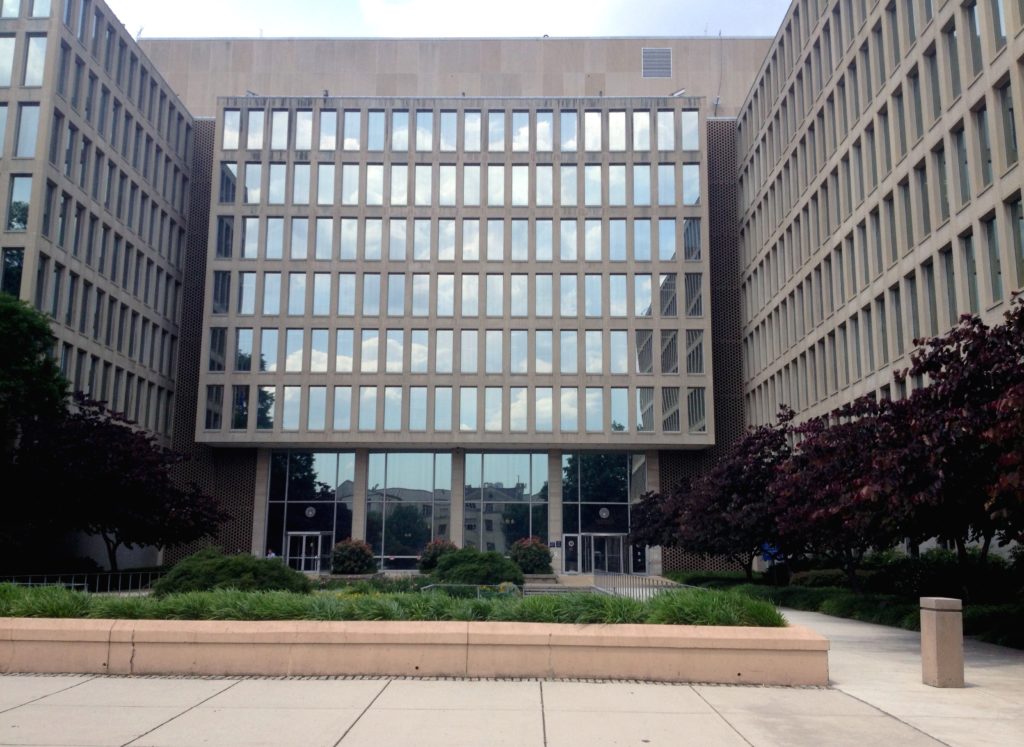
OPM Headquarters a/k/a the Theodore Roosevelt Building

The FEHBlog discovered OPM’s Agency Financial Report for the 2021 fiscal year, dated November 2020, on its website tonight. The most interesting discussion of the FEHB begins at page 125, the start of OPM’s response to the Inspector General’s top management challenges paper.

From the Delta variant vaccine front, Politico reports tonight that

The Food and Drug Administration on Friday is expected to authorize Moderna’s Covid-19 booster shot for all adults — a move that would come in tandem with the clearance of Pfizer-BioNtech’s booster for widespread use, two people with knowledge of the matter told POLITICO.

The decision comes just days after Moderna officially asked the FDA to green-light its booster for Americans 18 and older, and reflects the administration’s growing unease over the recent rise in Covid-19 cases across the nation.

The FDA had previously planned to authorize Pfizer’s booster shot this week, enabling the government to roll out shots to millions more people ahead of the Thanksgiving holiday.

But after Moderna filed a similar request on Wednesday, officials began debating whether to speed that authorization along as well, the people with knowledge of the matter said.

The FDA declined to comment.

From the Open Season front, Govexec discusses how to get the biggest bang for your buck in dental benefits if you are a federal or postal employee / annuitant.

From the telehealth front, Fierce Healthcare informs us that

In a report from Quest Diagnostics released Monday, 67% of the over 500 primary care physicians surveyed said they fear they missed signs of drug abuse in their patients during the pandemic.

And nearly all of them were prescribing those often-misused drugs—a whopping 97% reported prescribing opioids within 6 months of taking the survey.

Their concerns extend beyond the pandemic into telemedicine use today. Only 50% of physicians said they were confident they could recognize signs of drug misuse during telehealth visits, a far cry from the 91% that said the same of in-person patient interactions.

From the Rx coverage front, the Wall Street Journal reports that

CVS Health Corp. said Thursday it will close 900 stores over the next three years, nearly 10% of its U.S. locations, while adding more health services at remaining locations.

The largest U.S. pharmacy chain said it would close 300 stores a year while adding primary-care offices at certain sites as well as converting more stores into so-called health hubs with offerings such as diagnostic testing, mental-health services and hearing exams.

“The company has been evaluating changes in population, consumer buying patterns and future health needs to ensure it has the right kinds of stores in the right locations for consumers and for the business,” CVS said in a statement.

A CVS spokesman said the company doesn’t yet have a list of which stores are closing, a process that will begin early next year. 

From the strategy front, Federal News Network tells us that

The Biden administration on Thursday laid out the vision for its President’s Management Agenda, detailing three broad goals and four values that will drive a multi-year, multi-faceted effort throughout the government.

The initial vision is a roadmap that explains how the administration will build capacity within government agencies to make good on the president’s broader agenda, Jason Miller, deputy director for management at the Office of Management and Budget, said.

“The how matters. This president has been clear from day one that how we do things shapes what we can do,” Miller told reporters Wednesday evening.

To that end, the Biden administration said values of equity, dignity, accountability and results would drive its PMA priorities. Each priority has multiple underlying strategies.

Those priorities are:

Strengthening and empowering the federal workforce

Delivering excellent, equitable and secure federal services and customer experiences

Managing the business of government to “build back better”

“This simple, yet powerful three-part approach builds on lessons learned across administrations, while also repairing damage done over time to the federal government, by strengthening its capacity to deliver results,” Miller said.

The administration wanted to keep the PMA simple, and it explicitly wanted to avoid setting “dozens and dozens of new initiatives,” Miller added.

Meritalk adds

The Office of Personnel Management (OPM) and the Office of Management and Budget (OMB) are set to release their four-year strategic plan later this month, according to OPM Director Kiran Ahuja, who previewed what the Federal government can expect to see in that plan.

During an FCW event today, Ahuja said the four-year strategic plan is currently “in OMB’s hands and will be released fairly soon.” Ahuja also said the plan will focus on rebuilding the Federal workforce.

“We have an opportunity to remake it, both in the early career talent that we need to bring in, as well as the importance of professional development opportunities,” Ahuja said.

She went on to say the plan will also focus on the Federal workforce becoming “the model employer,” through both telework and remote work flexibilities, as well as “a whole range of efforts,” including providing support to the Federal workforce and leaning in to “a hybrid work environment and being an example there.”

It seems like yesterday that OPM released its last four year plan in 2018.

Midweek Update

Photo by Josh Mills on Unsplash

From the Delta variant vaccine front, the New York Times reports

The Food and Drug Administration is aiming to authorize booster doses of Pfizer-BioNTech’s coronavirus vaccine for all adults as early as Thursday, a move that would expand the number of Americans eligible for additional shots by tens of millions, according to people familiar with the agency’s plans.

The Centers for Disease Control and Prevention’s independent committee of vaccine experts has scheduled a meeting for Friday to discuss data on the booster dose’s efficacy and safety. If both the F.D.A. and the C.D.C. sign off this week, they will have acted strikingly quickly — a little more than a week after Pfizer asked for authorization of boosters for everyone 18 and older.

Under that scenario, any adult who received a second dose of the vaccine at least six months earlier would be officially eligible to get a booster as soon as this weekend. The F.D.A. is expected to rule without consulting its own expert panel, which has met frequently during the pandemic to review vaccine data and make a recommendation ahead of a regulatory decision.

Moderna is expected to soon submit its own request for the F.D.A. to broaden eligibility for its booster. But for now, every adult could get the Pfizer booster, according to people familiar with the planning.

From the Delta variant research front, the National Institutes of Health has announced that

Lung autopsy and plasma samples from people who died of COVID-19 have provided a clearer picture of how the SARS-CoV-2 virus spreads and damages lung tissue. Scientists at the National Institutes of Health and their collaborators say the information, published in Science Translational Medicine, could help predict severe and prolonged COVID-19 cases, particularly among high-risk people, and inform effective treatments.

From the Delta variant vaccine mandate front, Govexec tells us that

The White House will not back down from next week’s deadline for virtually all federal employees to prove they are vaccinated against COVID-19, despite calls for a delay.  The federal workforce has until Nov. 22 to provide documentation demonstrating they are inoculated or to request an exemption under an executive order issued by President Biden. 

From the opioid epidemic front, the Washington Post informs us that

The U.S. drug epidemic reached another terrible milestone Wednesday when the government announced that more than 100,000 people had died of overdoses between April 2020 and April 2021. It is the first time that drug-related deaths have reached six figures in any 12-month period. * * *

The new data shows there are now more overdose deaths from the illegal synthetic opioid fentanyl than there were overdose deaths from all drugs in 2016.

Fentanyl is many times more powerful than morphine, leading to more frequent fatal overdoses. It is increasingly laced into other drugs, such as cocaine, and counterfeit pills, killing some who consume it unknowingly.

During the worst of the pandemic, more users were alone, reducing the chances that other users or bystanders could call first responders in the event of an overdose, experts have said. * * *

The number of opioid prescriptions issued by health-care providers has declined sharply as the crisis continues.

Addiction preys on young and middle-aged adults, who make up the bulk of those with drug-related substance use disorder.

Compounding the problem is the fact as related by Sam Quinones in his recent book the Least of Us that while a lethal dose of heroin takes about 15 minutes to kill a person, a lethal dose of fentanyl will take a minute or two to do so. That’s hardly enough time to administer naloxone which can pull people back from the brink of death. The FEHBlog wishes that Pfizer and Merck could develop a pill to cure substance abuse.

From the Open Season front, Reg Jones in Fedweek offers thoughts on how to use the ongoing federal benefits open season to the readers’ advantage.

From the No Surprises Act front, Healthcare Dive reports that

A key sticking point [stemming from the tri-agencies’ independent dispute resolution interim final rule] is the arbitration process, and how the qualifying payment amount (QPA) — determined by a plan’s median in-network contracted rate for a geographic area — is used to arrive at rates for out-of-network providers.

The Association of Air Medical Services filed a lawsuit in federal [district] court [for the District of Columbia, No. 1:21-cv-03031] challenging the rules Tuesday, claiming reliance on a QPA strays from Congress’ intent when passing the law that “no single statutory factor receives special weight” in the arbitration process.

As the FEHBlog previously noted, the Texas Medical Association has filed a similar lawsuit in the Lone Star State.

Encouragingly, Healthcare Dive adds that

The rules guiding the arbitration process are a form of consumer protection, 63 organizations representing patients, consumers, unions and employers said in a Tuesday letter.

An over reliance on out-of-network charges, particularly among Wall Street-backed providers, extracts maximum costs from patients, employers and health systems, thus driving up premiums and contributing to ever-rising healthcare spending in America, they said.

“As outlined in the interim final rule, it is only by reinforcing the QPA as the overriding and primary factor for determining final payment that the No Surprises Act can achieve the $17 billion in cost savings outlined by the Congressional Budget Office,” the groups wrote.

Amen

Also from the NSA front, the tri-agencies and OPM released an interim final rule implementing NSA Section 204’s burdensome yet aggregated prescription drug and healthcare cost reporting requirements imposed on health plans. The accompanying fact sheet explains

Summary of the November 17, 2021 IFC

This IFC requires plans and issuers in the group and individual markets to submit certain information on prescription drug and other health care spending to the Departments annually, including:

General information regarding the plan or coverage;

Enrollment and premium information, including average monthly premiums paid by employees versus employers; 

Total health care spending, broken down by type of cost (hospital care; primary care; specialty care; prescription drugs; and other medical costs, including wellness services), including prescription drug spending by enrollees versus employers and issuers;

The 50 most frequently dispensed brand prescription drugs;

The 50 costliest prescription drugs by total annual spending;

The 50 prescription drugs with the greatest increase in plan or coverage expenditures from the previous year; 

Prescription drug rebates, fees, and other remuneration paid by drug manufacturers to the plan or issuer in each therapeutic class of drugs, as well as for each of the 25 drugs that yielded the highest amount of rebates; and 

The impact of prescription drug rebates, fees, and other remuneration on premiums and out-of-pocket costs.

The IFC provides that plan sponsors, issuers, and FEHB carriers generally will be required to submit this information aggregated at the state/market level, rather than separately for each plan. To ensure that the Departments and OPM are able to conduct meaningful data analysis and identify prescription drug trends, the IFC further provides uniform standards and definitions, including for identifying prescription drugs regardless of the dosage strength, package size, or mode of delivery.

Applicability Date and Comment Period

The CAA requires plans and issuers to begin submitting the required information to the Departments by December 27, 2021, and to submit this information by June 1 of each year thereafter. However, the Departments have announced that they will exercise discretion to provide temporary deferral of enforcement with regard to the December 27, 2021 and June 1, 2022 deadlines, and that they will not initiate enforcement action against a plan or issuer that submits the required information for 2020 and 2021 by December 27, 2022. OPM also will allow its FEHB carriers to report information for 2020 and 2021 by December 27, 2022.

Comments on this IFC are due at 5 p.m. on January 24, 2022.

Before long, health plans, and especially FEHB carriers, will be spending most of their time reporting data to the government.

Friday Stats and More

Based on the CDC’s COVID Data Tracker and using Thursday as the first day of the week, here is the FEHBlog’s current weekly chart of new COVID cases for 2021:

Here is a link to the CDC’s weekly chart of new COVID related hospital admissions, and here is the FEHBlog’s current weekly chart of new COVID deaths:

Finally here is the FEHBlog’s current weekly chart of COVID vaccinations distributed and administered:

As of today, 86% of the U.S. population over age 65 has been fully vaccinated and 1/3 of that cadre has received a COVID booster.

Here’s a link to the CDC’s weekly interpretation of its COVID statistics. The CDC points out that “Starting the week of November 8th, vaccines [for children aged five through 11] will be available at pediatricians’ offices, pharmacies, Federally Qualified Health Centers, and more. To find vaccine near you, visit vaccines.gov; text your ZIP code to 438829 (GETVAX); or call 1-800-232-0233.”

The CDC’s Fluview informs us that “Seasonal influenza activity in the United States remains low, but the number of influenza virus detections reported by public health laboratories has increased in recent weeks.”

The best summary of where we stand with COVID is found in today’s New York Times column by David Leonhardt on whether it’s time to start back to returning to normalcy on COVID. His theme struck a chord with the FEHBlog:

“Among the Covid experts I regularly talk with, Dr. Robert Wachter is one of the more cautious. He worries about “long Covid,” and he believes that many people should receive booster shots. He says that he may wear a mask in supermarkets and on airplanes for the rest of his life.””

“Yet Wachter — the chair of the medicine department at the University of California, San Francisco — also worries about the downsides of organizing our lives around Covid. In recent weeks, he has begun to think about when most of life’s rhythms should start returning to normal. Increasingly, he believes the answer is: Now.

“This belief stems from the fact that the virus is unlikely to go away, ever. Like most viruses, it will probably keep circulating, with cases rising sometimes and falling other times. But we have the tools — vaccines, along with an emerging group of treatments — to turn it into a manageable virus, similar to the seasonal flu.”

In other news —

The Centers for Medicare and Medicaid Services finally announced 2022 Medicare Medicare Parts A and B premiums and cost sharing.

  • The Part A inpatient hospital deductible will increase from $1484 to $1556.
  • The Part B calendar year deductible will increase from $203 to $221.
  • The monthly standard Part B premium will increase from $148.50 to $170.10.

All of the changes and the income based Part B premium adjustments for high income beneficiaries is available here.

STAT News informs us that

Robert Califf, President Biden’s new pick to lead the Food and Drug Administration, doesn’t have much to show for his first tenure at the agency.

His grand plans for modernizing the way drug makers and the FDA collect patient data were shelved in 2017 after he left the agency’s top spot. His efforts to ban flavored tobacco products were foiled by the Obama White House. Even his push to finally fix the FDA’s hiring woes still hasn’t been fully implemented.

Now Califf, who Biden formally tapped on Friday to retake the FDA’s top job, will have another shot at delivering on those promises.

Health Payer Intelligence tells us that

More than eight out of ten survey participants in UnitedHealthcare’s sixth annual Consumer Sentiment Survey indicated that they are ready to choose a health plan during 2022 open enrollment season.

“Most Americans said they are prepared to select a health plan during this year’s open enrollment season, while the COVID-19 pandemic continues to spur interest in virtual care for medical services and digital fitness apps to help people pursue at-home fitness routines,” the press release shared.

UnitedHealthcare fielded the survey from September 10 through September 12, 2021 and received 1,013 responses from individuals 18 years old and older.

Health Payer Intelligence also discusses a Humana program for employer sponsored plans in which “Humana is partnering with a type 2 diabetes reversal vendor [Virta] that uses remote patient monitoring and nutrition to help members manage and improve their type 2 diabetes.”

The article included this interesting tidbit on diabetes treatment

Diabetes is one of the top chronic conditions in the US that drive healthcare spending, alongside conditions such as cancer, heart disease, and obesity. As such, payers have heavily targeted this condition with various chronic disease management strategies.

It was not until August 2021, however, that the American Diabetes Association (ADA) officially determined that the phrase “diabetes reversal” was often more clearly identified as “remission,” Humana pointed out in its press release.

“Remission strikes an appropriate balance, noting that diabetes may not always be active and progressive yet implying that a notable improvement may not be permanent. It is consistent with the view that a person may require ongoing support to forestall relapse, and regular monitoring to allow intervention should hyperglycemia recur,” ADA decided. 

“The term reversal is used to describe the process of returning to glucose levels below those diagnostic of diabetes, but it should not be equated with the state of remission.”

Tuesday’s Tidbits

From the Open Season advice front, here are recent articles from FedSmith and Govexec .

From Capitol Hill, FedWeek reports that last Wednesday Nov. 3

The Senate Homeland Security and Governmental Affairs Committee has approved:

HR-2662, to give agency IGs authority to subpoena former federal employees; require an administration to provide a “substantive rationale, including detailed and case-specific reasons” prior to removing an IG; limit the use of administrative leave for IGs, including during the 30 days following the removal announcement; require acting IGs to be selected from among senior-level employees within the watchdog community; and require regular training to IG employees on their whistleblower rights.

The House already has passed the HR 2662. The Senate Committee amended the House bill before voting to sending the “favorable” substitute bill to the Senate floor for a vote.

From the Delta variant front Medscape informs us that

Pfizer and its European partner BioNTech have asked the US Food and Drug Administration (FDA) to expand emergency authorization of its COVID vaccine to allow everybody 18 and older to get a booster dose.

If it goes through, the broader use of Pfizer boosters would be a step toward President Joe Biden’s goal of boosters for all adults. He announced the goal last August but backed off to let the regulatory process by the FDA and the Centers for Disease Control and Prevention (CDC) play out.

Pfizer is submitting a study of booster effects on 10,000 people to make its case, according to a company news release.

This would be Pfizer’s second bite at the FDA apple for this approach to its booster.

Govexec informs us from the Delta variant vaccine mandate front that

VA Secretary Denis McDonough spoke at the National Press Club in Washington, D.C. on Tuesday afternoon, which came after the October 8 deadline for health care employees to get vaccinated but before the November 22 deadline for the rest of the federal workforce. 

“We’re still getting all of our data together,” he said. As of this morning, about 91% of the health care professionals at VA “have uploaded their data,” which could be proof of vaccination or requests for one of the exemptions. This is up from about 70% about two and a half weeks ago. 

“We’re not going to question the legitimacy of anyone’s individual declaration of a religious exception,” McDonough said. However, “we may find ourselves in a situation where, for example, in an oncology department or in a spinal cord injury facility or in an intensive care unit…or community living center[s], we may have so many people who have claimed a religious exemption that we can’t safely provide care to our veterans in those vulnerable situations, in which case we reserve the right to deny religious exemptions.” 

Fedweek cautions that “Both supporters and opponents of the Coronavirus vaccine mandate expect it to increase turnover among federal employees, although it is hard to say how large that increase will be and how much of it will be involuntary versus voluntary.”

From the No Surprises Act (NSA) front, the FEHBlog noticed that the Centers for Medicare and Medicaid Services has created a public NSA website. Posted on the site is an October 25, 2021, CMS letter announcing required federal government website and contact information to be included in the consumer notice about the NSA and other NSA related documents.

Website: https://www.cms.gov/nosurprises/consumers. Note, consumer and provider functionality for complaints inquiry and triage will not be operational until January 2022.

Phone number for information and complaints: 1-800-985-3059.

We ask regulated entities not to include the above phone number in any plan documents for any plan or policy years that begin before January 1, 2022.

In other healthcare news

Per Fierce Healthcare, here are the 10 most cost-efficient hospitals in the U.S., according to the Lown Institute: 

  1. Pinnacle Hospital (Crown Point, Indiana)
  2. Saint Mary’s Regional Medical Center (Reno, Nevada)
  3. Mercy Medical Center Dubuque (Dubuque, Iowa)
  4. Encino Hospital Medical Center (Encino, California)
  5. Park Ridge Health (Hendersonville, North Carolina)
  6. Oroville Hospital (Oroville, California)
  7. Saint Michael’s Medical Center (Newark, New Jersey)
  8. UnityPoint Health – Meriter (Madison, Wisconsin)
  9. East Liverpool City Hospital (East Liverpool, Ohio)
  10. Maple Grove Hospital (Maple Grove, Minnesota)

“Overall, if all hospitals performed as well as the most cost-efficient hospitals, Medicare would save $8 billion each year.”

Healthcare Dive informs us that

Nonprofit health giant Kaiser Permanente’s operating margin continued to shrink in the third quarter as expenses grew faster than revenue, spurred by labor unrest and surging COVID-19 patients, the Oakland, California-based integrated health system said.

Kaiser reported $38 million in operating income in the quarter, on $23.2 billion in revenue. That’s a 0.2% operating margin — exceedingly low compared to a margin of 2.1% same time last year. 

The 39-hospital system’s expenses in the third quarter grew 7.5% year over year to $23.1 billion, while revenue only increased 5.5%. Kaiser said the expense growth was due to higher costs from COVID-19 patients and workforce requirements, as — like other hospital operators — Kaiser has had to pay more for travel nurses and other contract labor to meet rising patient levels during the pandemic.

Weekend update

Lincoln Memorial in the Fall

The Senate is on a State work break this week which includes the Veterans’ Day holiday on Thursday. The House of Representatives is not holding votes this week but a handful or so of Committee hearings are scheduled for Tuesday and Wednesday.

Roll Call tells us that

Buoyed, finally, by forward movement on a larger package of President Joe Biden’s domestic priorities, the House late Friday cleared a Senate-passed bipartisan infrastructure bill that pours billions of dollars into roads, bridges, water systems, transit and broadband.

The long-awaited House vote sends the bill, which passed the Senate in August, to Biden for his signature. 

The House vote was 228-206, with 13 Republicans backing it despite GOP leadership whipping against the bill. All but six Democrats voted for the measure, despite the House not voting in tandem on the larger budget reconciliation package as progressives had demanded for months. 

Instead, Democrats were forced to accept a vote to adopt the rule that sets debate parameters on the reconciliation bill as a sign of progress on that measure. 

Under that rule, the House is expected to vote on the social spending / climate budget reconciliation bill during the week of November 15. The additional week is expected to allow the Congressional Budget Office to release its report on this massive spending bill

With respect to the infrastructure bill the Wall Street Journal explains that ‘

The $1 trillion package would invest in refurbishing aging roads, bridges and ports; easing transportation bottlenecks; replacing harmful lead pipes; expanding internet access; upgrading the nation’s power grid; and boosting infrastructure resilience amid growing concerns over climate change. The spending is to be paid for with a variety of revenue streams, including more than $200 billion in repurposed funds originally intended for coronavirus relief but left unused; about $50 billion from delaying a Trump-era rule on Medicare rebates; and $50 billion from certain states returning unused unemployment insurance supplemental funds.

From the COVID vaccine mandate front, the Wall Street Journal reports that the U.S. Court of Appeals temporarily stated the OSHA vaccination screening program rule applicable to private sector employers with 100 or more employees plus the Postal Service.

A three-judge panel on the New Orleans-based Fifth U.S. Circuit Court of Appeals granted an emergency stay prohibiting enforcement of the rules for now, saying they raise “grave statutory and constitutional issues.” The Fifth Circuit said it would quickly consider whether to issue an injunction against the vaccine and testing requirements, ordering the Biden administration to file initial legal papers by late Monday afternoon.

OSHA issued this emergency rule under a law providing that challenges to such rules should be brought in the U.S. Court of Appeals rather than the lower District Courts. That’s a quicker path to Supreme Court review.

Roll Call discusses federal government contractor concerns about legal risks arising from the unclear federal vaccine mandate. The Federal Acquisition Regulation implementing the President’s executive order is still weeks away. In the meantime, contractors have to rely on the Safer Federal Workforce Task Force’s subregulatory FAQs. The Task Force typically issues new FAQs on a weekly basis.

From the Delta variant front, the American Medical Association discusses the available evidence on the utility of COVID booster mixing and matching which the Food and Drug Administration recently authorized.

In other vaccine news, Precision Vaccines reports on a Lancet study on the high value of HPV vaccine:

The Lancet published a review of the UK’s national human papillomavirus (HPV) vaccination program and its positive impact on cervical cancer and grade 3 cervical intraepithelial neoplasia incidence.

Published on November 3, 2021, this observational study shows the use of HPV vaccines dramatically reduces cervical cancer rates by almost 90% in women in their 20s who were offered the vaccine beginning at age 12.

These researchers estimated that the HPV vaccination program prevented around 450 cervical cancers and about 17,200 cases of precancerous conditions over 11 years.

HPV vaccination was most effective when given between the ages of 11 and 13 when someone is less likely to have been exposed to HPV.

“It’s a historic moment to see the first study showing that the HPV vaccine has and will continue to protect thousands of women from developing cervical cancer,” stated Michelle Mitchell, Cancer Research UK’s chief executive, in a related press statement.

The HPV vaccine when administered to boys protects against male cancers according to the CDC’s website. “The U.S. FDA has approved different types of HPV vaccines listed on this Precision Vaccinations webpage.”

Last but not least tomorrow is the opening day for the Federal Employees Benefits Open Season for 2022. Here’s a link to today’s FedWeek report on the big day. “There will be 275 [FEHB] plan choices—down by one after a few dropouts and additions—including 18 nationwide plan choices open to all, four available only to certain groups, and the rest available regionally.” December 13 is the closing day of this Open Season.

Friday Stats and More

Based on the Centers for Disease Control’s COVID Data Tracker and using Thursday as the first day of the wee, here is the FEHBlog’s weekly chart of new COVID cases this year:

New cases plateaued this week. Weekly new COVID hospitalizations continue their down trend. For the latest week, the number of new admissions was 5,025 compared to a peak of 16,478 in the first week of 2021.

The number of COVID-related deaths continues it decline according the FEHBlog’s chart:

Distribution and administration of COVID vaccines was up sharply the past two weeks. At least one million doses were administered daily last week.

Here’s a link to the CDC’s weekly interpretation of its COVID statistics. Notably,

As of November 4, 2021, 426.7 million vaccine doses have been administered. Overall, about 222.6 million people, or 67% of the total U.S. population, have received at least one dose of vaccine. About 193.2 million people, or 58.2% of the total U.S. population, have been fully vaccinated.* About 21.5 million additional/booster doses in fully vaccinated people have been reported. As of November 4, 2021, the 7-day average number of administered vaccine doses reported (by date of CDC report) to CDC per day was 1,510,524, a 55.8% increase from the previous week.

The best news is Pfizer’s announcement of a successful trial of antiviral pill to tame early COVID.

  • PAXLOVID™ (PF-07321332; ritonavir) was found to reduce the risk of hospitalization or death by 89% compared to placebo in non-hospitalized high-risk adults with COVID-19
  • In the overall study population through Day 28, no deaths were reported in patients who received PAXLOVID™ as compared to 10 deaths in patients who received placebo
  • Pfizer plans to submit the data as part of its ongoing rolling submission to the U.S. FDA for Emergency Use Authorization (EUA) as soon as possible

The Merck pill that Great Britain approved this week and the FDA will consider this month had the following reporting efficacy in its trial —

  • At the Interim Analysis, 7.3 Percent of Patients Who Received Molnupiravir Were Hospitalized Through Day 29, Compared With 14.1 Percent of Placebo-Treated Patients Who were Hospitalized or Died

The FEHBlog points this out to illustrate the strength of the Pfizer pill not to downplay the Merck pill.

The public health strategy for defeating COVID always has been a combination of testing, drugs, and vaccines. Nobody expected the vaccines to lead the pack, but the FEHBlog is grateful that testing and drugs finally are catching up to the wonderous vaccines. You combine these new drugs with rapid at home tests like the recently FDA approved FlowFlex on top of the vaccines, and you are left with endemic COVID in the FEHBlog’s view. As the FEHBlog is not a medical expert, let’s close this section with a squib from STAT News:

The development of oral medicines that can be used to treat Covid early on could blunt the impact of the pandemic.

Nahid Bhadelia, the founding director of the Center for Emerging Infectious Diseases Policy & Research at Boston University, called oral antiviral pills “incredibly important” because existing treatments such as monoclonal antibodies must be given intravenously or as shots.

“With an oral antiviral, patients have more time and greater access to a treatment that will keep them out of the hospital,” Bhadelia said. “But the promise of oral antivirals will only be recognized if they’re available at your local pharmacy, and you can afford it, and you can get the test that tells you that you’re positive for Covid, so you can actually take advantage of this drug. So, the promise is there, but the rest of the pieces need to come together.”

From the tidbits department —

Morning Consult reports that

  • 72% of U.S. adults who have used telehealth said they’ve accessed virtual care through their regular provider or health plan, while another 17% have gotten care through a direct-to-consumer platform and 11% have used both types of services.
  • 53% of U.S. adults said they’d rather use in-person health care than telehealth moving forward, but that share fell to 45% among those who have used telehealth in the past.
  • Among the challenges for on-demand telehealth is getting coverage for the services, as traditional payers and providers roll out their own virtual care options.

The HHS Agency for Healthcare Quality and Research reports that

The Lehigh Valley Health Network (LVHN) used an AHRQ initiative to expand treatment for opioid use disorders in Pennsylvania. As a result, primary care physicians are now using medication-assisted treatment to care for their patients with opioid use disorders.  This new practice has been a success; as of fall 2021, 75 percent of patients who initiated treatment have returned in the following calendar month to continue treatment. With addiction treatment, this number of returning patients represents a major improvement, as most patients traditionally end treatment quickly.

With eight hospitals and numerous health centers, physician practices, rehabilitation locations, and other outpatient locations, LVHN serves patients in seven eastern Pennsylvania counties. LVHN used AHRQ resources to integrate treatment for opioid use disorder into primary care practice.

“In one visit, a patient can get his diabetes and blood pressure medications, plus his medication for opioid use disorder, without feeling the judgement of going to an addiction specialist,” noted Gillian A. Beauchamp, M.D., LVHN emergency physician. “When you’re sitting in a primary care waiting room, nobody knows why you’re there, so you don’t feel the stigma you might in another setting of care.”

Bloomberg tells us that

Even though the [COVID pandemic] upheaval increased risk factors for suicide like financial stress, the number of Americans who took their own lives decreased by 3% in 2020, the Centers for Disease Control’s statistical group reported this week

Suicides had increased steadily this century before peaking in 2018 with 48,000 annual deaths. That number declined slightly in 2019 and continued to drop in 2020, to less than 46,000, according to the CDC’s provisional data. In April, when shutdowns were most severe, the U.S. saw the lowest number of suicides in any month of 2020, 14% below the previous year’s total that month.

Federal News Network reports

In an ongoing effort to inject more young talent into the federal workforce, the Office of Personnel Management is out with yet another new hiring policy.

The latest policy, which OPM will publish as an interim rule Friday, is designed to help agencies more easily recruit and hire recent college graduates into administrative and professional positions in the federal government.

The new hiring policy means agencies can noncompetitively appoint qualified and eligible college graduates to permanent career positions at or below the General Schedule 11 level, OPM said. In a blog post on the new policy, OPM Director Kiran Ahuja said recent gradates have a chance to earn up to $72,000 a year under this new authority.

Thursday Miscellany

From the Delta variant vaccine front, The American Hospital Association informs us that

  • The Centers for Medicare & Medicaid Services today issued an interim final rule requiring COVID-19 vaccinations for workers in most health care settings, including hospitals and health systems, that participate in the Medicare and Medicaid programs. The rule is effective Nov. 5. Under the regulation, all eligible workers must be fully vaccinated by Jan. 4, 2022.
  • Also this morning, the Occupational Safety and Health Administration (“OSHA”) issued an emergency temporary standard requiring all employees at private businesses with 100 or more workers to be vaccinated by Jan. 4 or get tested for COVID-19 weekly.

The Society for Human Resource Management (SHRM) provides us with SHRM’s Top Takeaways from the OSHA ETS:

  • Employees must be fully vaccinated by January 4, 2022, and employers must require unvaccinated employees to mask and produce a negative test on at least a weekly basis.
  • Employers are required to have a written vaccination policy.
  • The OSHA ETS does not apply to employees who do not report to a workplace where there are other individuals such as coworkers or customers are present; employees working from home; or employees who work exclusively outdoors.
  • The OSHA ETS does not require employers to provide or pay for tests.
  • Employers must pay employees for the time it takes to get vaccinated.
  • Employers must ensure all unvaccinated employees are masked.
  • Employers must report COVID-19 fatalities and hospitalizations to OSHA.
  • The OSHA ETS reaffirms that employers must provide reasonable accommodations.
  • According to the Department of Laborvaccine, testing and face-covering requirements preempt inconsistent state and local requirements.

Closer to home, the OSHA ETC does not apply to workplaces subject to EO 14042 on Requiring Coronavirus Disease 2019 Vaccination for Federal Contractors. However, Govexec points out that

“Under the [Occupational Safety and Health Act], the U.S. Postal Service is treated as a private employer,” said OSHA’s emergency temporary standard, set to officially publish in the Federal Register on Friday. “It is therefore required to comply with this [emergency temporary standard] in the same manner as any other employer covered by the act.” 

The [Labor Department] spokesperson added that there are about 500,000 postal workers and confirmed that the rule applies to all of them.

Federal New Networks adds that

The Biden administration on Thursday pushed back the deadline for federal contractors to comply with its vaccine mandate.

Contractors now have until Jan. 4, 2022, the same deadline the White House set for private sector companies with 100 employees or more to comply with vaccine and testing requirements from the Labor Department’s Occupational Safety and Health Administration. * * *

The White House said it will not apply the OHSA emergency temporary standard or the CMS rule to workplaces subject to the federal vaccine mandate for contractors, so employers won’t have to track multiple requirements.

While federal contractors now have the same Jan. 4 deadline as other private sector companies, there’s a key difference between the two policies.

Under the new OSHA standard, companies with 100 employees or more have to ensure their workers have received either one or both shots by Jan. 4 — or tests for COVID-19 at least weekly.

Under the federal vaccine mandate for contractors, employees don’t have the option to be tested weekly, at least not at this point.

Govexec reports that “The Office of Personnel Management on Wednesday reminded agencies that they must grant federal employees administrative leave to accompany their children to get the COVID-19 vaccine, following the news that more children are now able to get vaccinated.” It would be helpful if OPM gave direct guidance to FEHB carriers on the contractor vaccine mandate.

From the Delta variant front, STAT News reports that

Britain granted conditional authorization on Thursday to the first pill shown to successfully treat Covid-19 so far. It also is the first country to OK the treatment from drug maker Merck, although it wasn’t immediately clear how quickly the pill would be available.

The pill was licensed for adults 18 and older who have tested positive for Covid-19 and have at least one risk factor for developing severe disease, such as obesity or heart disease. Patients with mild-to-moderate Covid-19 would take four pills of the drug, known molnupiravir, twice a day for five days.

An antiviral pill that reduces symptoms and speeds recovery could prove groundbreaking, easing caseloads on hospitals and helping to curb outbreaks in poorer countries with fragile health systems. It would also bolster the two-pronged approach to the pandemic: treatment, by way of medication, and prevention, primarily through vaccinations.

Molnupiravir is also pending review with regulators in the U.S., the European Union, and elsewhere. The U.S. Food and Drug Administration announced last month it would convene a panel of independent experts to scrutinize the pill’s safety and effectiveness in late November.

From the preventive care front —

The Associated Press informs us that

A government advisory committee on Wednesday recommended that all U.S. adults younger than 60 be vaccinated against hepatitis B, because progress against the liver-damaging disease has stalled. 

The decision means that tens of millions of U.S. adults — mostly between the ages of 30 and 59 — would be advised to get shots. Hepatitis B vaccinations became standard for children in 1991, meaning most adults younger that 30 already are protected.

“We’re losing ground. We cannot eliminate hepatitis B in the U.S. without a new approach,” said Dr. Mark Weng of the Centers for Disease Control and Prevention.

The Advisory Committee on Immunization Practices voted unanimously to approve the recommendation Wednesday. The CDC’s director, Dr. Rochelle Walensky, must sign off on it before it becomes public policy, but it’s not clear when she will decide.

The American Cancer Society tells us about the proper use of lung screenings to detect cancer in this Lung Cancer Awareness Month.

The Robert Woods Johnson Foundation has updated its report on the state of childhood obesity in our country.

From the healthcare business front —

Fierce Healthcare reports that

Cigna wrapped up third-quarter earnings for major national payers Thursday morning, where it reported $1.6 billion in profit for the quarter.

The results surpassed Wall Street expectations, according to Zacks Investment Research. Cigna also brought in $44.3 billion in revenue in the third quarter, according to the earnings report, which also beat analysts’ projections.

Both figures were up significantly year over year, Cigna said. In the third quarter of 2020, the insurer earned $1.4 billion in profit and brought in $41 billion in revenue. * * *

Due to the results, Cigna raised its guidance and now expects $20.35 in earnings per share for 2021. The insurer expects full-year revenues of $172 billion.

Fierce Healthcare also catalogs “new [healthcare M&A] deals that were revealed, closed or called off during the month of October.

In that regard Beckers Payer Issues reports that

UnitedHealth Group and Change Healthcare entered into an amended agreement with the Justice Department not to finalize the healthcare companies’ proposed $13 billion deal until late February.

Four things to know:

1. Under the new timing arrangement, the companies agreed not to consummate their deal before Feb. 22, 2022, according to Change Healthcare’s Nov. 3 earnings report

2. The new date amends a previous timing agreement announced in August, under which, UnitedHealth and Change agreed to wait at least 120 days after certifying compliance with the Justice Department’s request for more information. Both organizations had agreed to not certify compliance with the request before Sept. 15, meaning the 120 days would have expired in January 2022.

3. The organizations announced the proposed acquisition in January. Change shareholders approved the deal despite backlash from hospital groups arguing that the proposed combination is anticompetitive. 

4. On March 24, the Justice Department issued a second information request to the organizations. In the Nov. 3 earnings report, Change Healthcare shared that it and UnitedHealth “certified substantial compliance” with the second request.

Also STAT News provides a “progress report on Big Retail’s ambitions in health care.” This point impressed the FEHBlog

[T]he physical assets of retail players stand to give them a substantial leg up in parts of the country not already saturated by startups and other rivals, including the Midwest and broad swaths of the South.

“Most people in America live close to some of these retail giants and not to a health care provider,” said Gadelrab, who visited a Walmart for the first time to get tested for Covid-19.

Even for retailers’ significantly buzzier rivals, such as hybrid care startups Carbon Healthand women’s care-focused Tia, physical locations have remained a core part of their business models amid the pandemic, pitting their offerings somewhat against the services offered by Walmart, in particular.

“For us, the physical experience has been around making preventive health something women want to engage in before something is wrong,” said Carolyn Witte, Tia’s co-founder and chief executive officer.

That physical proximity could prove especially useful, Gadelrab said, as parts of the U.S. health care system begin to shift away from a fee-for-service treatment model to one based on value-based or preventive care, since it could theoretically allow retail giants to keep more consistent tabs on patients, much in the same way popular telehealth tools check in regularly with their users. At the same time, retailers also maintain reams of data on consumer health and wellness spending, and more recently, vaccination status — information that could be used to better inform their health care offerings or reach more potential clients.