FEHBlog

Midweek Update

From Capitol Hill, Fierce Healthcare reports

Senate Democrats have narrowly reached a deal on legislation to give Medicare the power to negotiate for lower drug prices.

The Senate released text Wednesday (PDF) on the deal that also repeals the controversial Part D rebate rule and installs a cap on monthly cost-sharing payments for Part D and Medicare Advantage plans. 

The legislative text shows that starting in 2026, the Department of Health and Human Services will choose 10 drugs eligible for negotiation. The next year, the number of eligible drugs will increase to 15, and in 2029 and every year after by 20. 

The sole-source drugs subject to negotiation will be chosen based in part on their total spending under Medicare Parts B and D. There is an exception for small biotech drugs from 2026 through 2028 such as vaccines and excludes certain orphan drugs as well.

Roll Call adds “Congress is fast approaching its scheduled August recess, followed by peak campaign season, so Democratic lawmakers only have a few more weeks in session to push their legislative priorities before they could lose control of either chamber in November.”

From the Omicron and siblings front, the American Hospital Association tells us

The Food and Drug Administration today authorized state-licensed pharmacists to prescribe Paxlovid (nirmatrelvir and ritonavir) to patients as a treatment for those at high risk of severe COVID-19. Because Paxlovid must be taken within five days of symptom onset, the change could spur expanded access and more-timely treatment of eligible patients. The change was made through an amended emergency use authorization. 

This standing order approach should accelerate the continuing rollout of test to treat locations.

Regrettably the Wall Street Journal adds

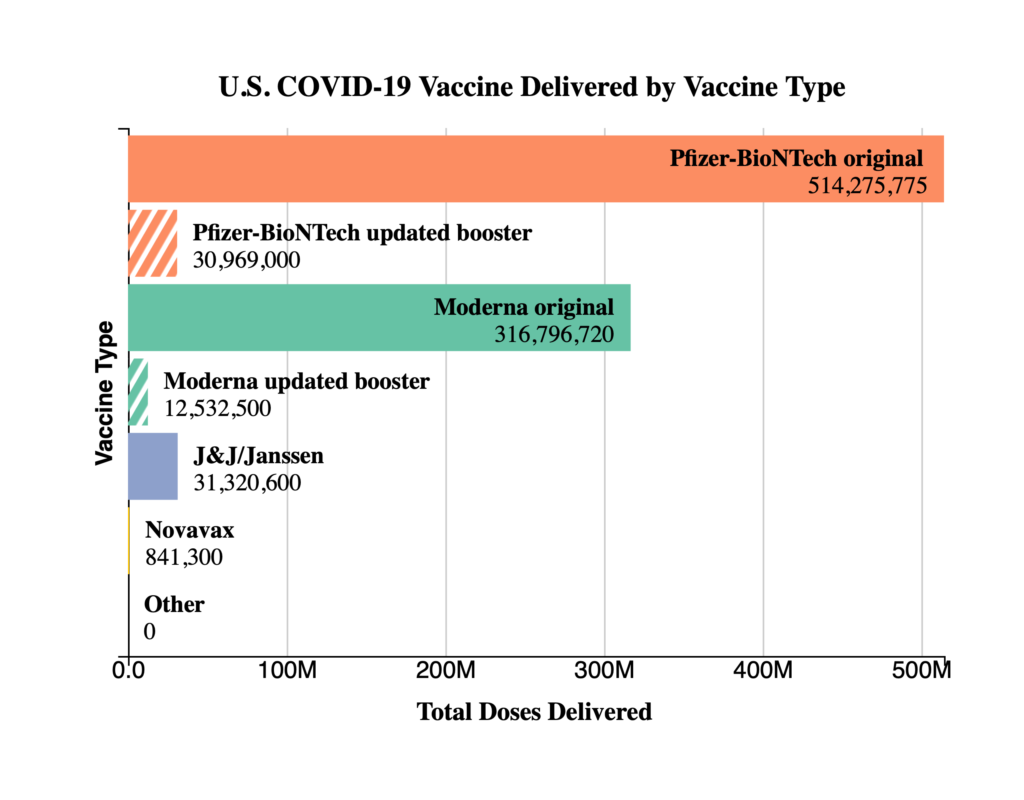
Governments, drugmakers and vaccination sites are discarding tens of millions of unused Covid-19 vaccine doses amid sagging demand, a sharp reversal from the early days of the mass-vaccination campaign, when doses were scarce. * * *

In the U.S., about 90.6 million Covid-19 doses have been wasted, or 11.9% of the more than 762 million Covid-19 vaccine doses delivered since the shots became available in late 2020, according to the Centers for Disease Control and Prevention.

The wastage rate has accelerated recently: Some 12 million of the discarded doses have been thrown out since late May.

The disposals come during a significant drop in demand for Covid-19 vaccines, even with young children recently becoming eligible. The seven-day moving average of doses administered daily in the U.S. was about 155,000 as of June 21, down from about 1.1 million on Jan. 1 and the peak of about 3.5 million daily in April 2021.

Partly driving the wastage, health experts said, is the way the Covid-19 vaccines are packaged in multiuse vials containing from five to 20 doses. Once opened, the vials generally must be used within about 12 hours of opening or the remaining doses discarded.

From the telehealth front

Healthcare Dive reports

COVID-19 made its way back into the top five telehealth diagnoses nationally on Fair Health’s monthly tracker in April for the first time since January, according to the report out Wednesday.

Every U.S. census region except the South saw COVID-19 return to the top five diagnoses list, and the uptick is in line with rising cases reported in April by the Centers for Disease Control and Prevention.

Telehealth use overall also rose nationally and in every region after two months of decline, the report found.

Fierce Healthcare informs us

Teladoc is further building out its primary care offering, Primary360, with new services that enhance care coordination and grow in-home options.

Primary360 will now provide care coordination support and health plan in-network referrals alongside free same-day medication delivery from Capsule and in-home, on-demand phlebotomy services backed by Scarlet Health, according to an announcement Wednesday from Teladoc.

The new care coordination capabilities will allow Primary360’s care team to take a “holistic” view of the patient’s coverage and make streamlined referrals to Teladoc services they can access. The care team can also then ensure a patient is referred to an in-network provider when in-person services are necessary.

mHealth Intelligence reports “The burgeoning mental health epidemic in America is widespread across age groups, but the youth have faced a particularly challenging time amid the COVID-19 pandemic. As the youth mental health crisis reaches new heights, providers are increasingly turning to telehealth to help expand access to behavioral healthcare.”

In the same spirit, Health Data Management discusses best practices for hospitals interested in providing acute care at home services.

From the U.S healthcare front, Beckers Hospital Review calls our attention to the fact that “Money, formerly Money Magazine, and Leapfrog Group collaborated for their first shared ranking of “best hospitals” to help consumers make decisions about which healthcare institutions are best for their money. The inaugural list was released July 6 and can be found in full here.” Check it out.

From the fraud, waste and abuse front, Healthcare Dive reports

The federal government won or negotiated more than $5 billion in healthcare fraud judgments and settlements in its 2021 fiscal year, the largest amount ever in the history of the HHS and Department of Justice’s fraud and abuse enforcement program.

Due to those and other efforts from previous years, the government clawed back almost $1.9 billion, according to a new report from the departments.

Of that $1.9 billion, about $1.2 billion went to the Medicare trust funds, which are on increasingly precarious financial footing due to growing stress on the insurance program. In addition, roughly $99 million in federal Medicaid money was transferred back to the CMS.

 Finally, Govexec brings us up to date on projections for 2023 annual raises for federal employees.

President Biden and House appropriators seem thus far to be in agreement that federal employees should receive an average 4.6% pay raise next year, but there are still several steps officials must take before it can be implemented at the end of the year. * * *

On Capitol Hill, there are still a few opportunities for federal employee groups and some lawmakers to try to increase the raise to the average 5.1% figure they have been advocating for.

Tuesday’s Tidbits

Photo by Patrick Fore on Unsplash

From the Omicron and siblings front —

The Wall Street Journal reports

The highly contagious Omicron BA.5 subvariant has taken over as the dominant version of the virus causing new Covid-19 cases in the U.S., the latest federal data show.

BA.5 represented nearly 54% of U.S. cases in the week ended July 2, the Centers for Disease Control and Prevention estimated Tuesday. It surpassed BA.2.12.1, the version of Omicron partly responsible for a persistent springtime surge in cases, which is now estimated to represent closer to one in four cases. 

Another version known as BA.4, which is closely related to BA.5, and also ramped up recently, represents nearly 17% of cases, the CDC estimates.

Virus experts believe BA.5 is particularly adept at evading immune protections built up from prior infections and vaccines, giving it an advantage as it takes over as the major subvariant. This adds to the possibility people will contract Covid-19 repeatedly while facing the risk of developing complications like long-running and sometimes debilitating symptoms.

The Journal also tells us

Covid-19 reinfections can bring some new risks of serious medical problems, hospitalization and death, a new study has found. 

Protection provided by vaccines and prior infection has greatly improved Covid outcomes since the pandemic’s early days, and reinfections are typically less severe than initial ones. Yet each new infection carries a risk of medical problems, including hospitalization, death and long Covid, according to preliminary data from a study of patients in the Veterans Affairs health system

This is a timely finding, doctors say, as more-infectious Omicron subvariants BA.4 and BA.5 proliferate and are expected to make reinfections more common. * * *

One caveat of the VA study is that their patients are older and tend to have multiple comorbidities, says Amesh A. Adalja, a senior scholar at Johns Hopkins Center for Health Security, who wasn’t involved with the VA study. For instance, an otherwise healthy 18-year-old “is not likely to significantly add to their risk” in the same way as an older person with underlying health problems, says Dr. Adalja.

And VA patients who went to the doctor for a reinfection are also more likely to have had more symptoms than those who don’t seek medical care and aren’t captured in the study, Dr. Adalja notes. Still, “it’s better not to get reinfected than to be reinfected,” he says. “Reinfections are not something you want to have, even though they’re likely going to be ubiquitous.”

The National Institutes of Health informs us “COVID-19 was the third leading cause of death in the United States between March 2020 and October 2021, according to an analysis of national death certificate data by researchers at the National Cancer Institute, part of the National Institutes of Health. The study appears July 5 in JAMA Internal Medicine.”

From the unusual viruses front, Becker’s Hospital Review reports

As of July 1, 460 cases of monkeypox have been confirmed across 31 states and Washington, D.C. That’s up from 351 cases as of June 29. 

California has the highest number of confirmed cases in the nation at 95, followed by New York, where 90 cases have been reported, according to the CDC. Globally, there have been more than 5,000 cases reported since May. 

The article offers readers three other monkeypox updates.

From the transparency front, Beckers Payer Issues reminds us that while the first stage of the transparency in coverage rule, which applies to the FEHB Program and private sector employer-sponsored health plans, will benefit governments and businesses, the next stage which takes effect on January 1, 2023, will benefit health plan members.

In 2023, payers must start providing an internet-based price comparison tool that allows members to receive an estimate of their cost-sharing responsibility for a specific item or service from a specific provider or providers for 500 items and services. That comparison tool must be provided for all services by 2024.

Provider price disclosure rules went into effect at the start of 2021, but the majority of facilities have not complied. CMS warned 342 hospitals they were not in compliance in February and fined the first health system in June for violations.

From the U.S. healthcare front, Beckers Hospital Review tells us

Merative, formerly IBM Watson Health, on June 30 released its 2022 rankings of the top hospitals and health systems in the U.S., in partnership with Fortune.

For the rankings, 2,650 short-term, acute care, non-federal U.S. hospitals were evaluated on measures assessing inpatient outcomes, extended outcomes, processes of care, operational efficiency, financial health, and patient experience using publicly available data.

This year’s study also incorporated a community health measure, which is equally weighted with other ranked measures.

Penn Presbyterian Medical Center in Philadelphia PA is the top major teaching hospital and St. David’s Medical Center in Austin TX is the top large community hospital in the rankings.

From the research front —

  • BioPharma Dive discusses the top 10 biotech clinical trials to watch in the second half of 2022.
  • The New York Times reports “Dementia cases are climbing along with an aging world population, and yet another much-anticipated Alzheimer’s medication, crenezumab, has proved ineffective in clinical trials — the latest of many disappointments. Public health experts and researchers argue that it is past time to turn our attention to a different approach — focusing on eliminating a dozen or so already known risk factors, like untreated high blood pressure, hearing loss and smoking, rather than on an exorbitantly priced, whiz-bang new drug.”
  • The National Institutes of Health’s Director’s Blog informs us that “researchers have found that an approved drug for insomnia that works differently than other sleep medications could offer some needed help for the sleeplessness that affects those overcoming an opioid addiction. The drug, known as suvorexant (Belsomra ®), was provided in a study to people during and immediately after tapering off opioids, and it allowed them to sleep significantly more during this week-long period. Suvorexant also helped to reduce their opioid withdrawal and craving.”

Happy Independence Day

Congress is on a State / District work break this week.

The Supreme Court ended its October 2021 Term last week by recognizing retiring Justice Stephen Breyer and Judge Ketanji Brown Jackson was sworn in as the 104th Associate Justice of the Supreme Court last Thursday, June 30.

From the Omicron and siblings front –

Bloomberg Prognosis reports on New York City’s significant improvements to its test to treat program.

New York City will start offering Pfizer Inc.’s Covid antiviral Paxlovid at “first of its kind” mobile test-to-treat sites across the city, providing immediate treatment for those who test positive for the virus.

Initially [last Thursday June 30], mobile sites will be stationed outside of pharmacies in Inwood, South Ozone Park and the East Bronx, and will expand to 30 locations by the end of July, Manhattan’s Borough President Mark Levine said on Twitter Thursday. People who test positive for Covid and qualify for Paxlovid will be able to get a prescription on-the-spot, which they can take to a nearby pharmacy to pick up the drug. By the end of the summer, officials plan to bypass pharmacies entirely, offering Paxlovid directly through the mobile sites.

“We were the epicenter of the Covid pandemic at the start, but we’re leading the way in prevention and mitigation,” [NYC Mayor Eric] Adams said during the press conference. “What we’re doing here other cities can look at to make a determination of how they want to address Covid.”

Bloomberg adds “Earlier on Thursday, Pfizer asked US regulators for full approval of Paxlovid for people at high risk of developing severe disease, bringing the drugmaker one step closer to securing a formal clearance that would allow it to sell and market the antiviral outside of the public health emergency.”  

The Wall Street Journal helpfully tells us

Don’t throw out that seemingly outdated at-home rapid Covid-19 test just yet. According to an updated list of expiration dates, it may still be good. 

The Food and Drug Administration has extended the expiration dates for some authorized at-home, over-the-counter Covid test kits in recent months, meaning some unused tests may still be viable. 

Many Americans received free tests from the federal government this year. They also bought their own tests, especially at the height of the first Omicron wave that hit much of the country over the winter.

While the FDA initially marked many at-home Covid-19 kits with a fairly short shelf life, additional data gathered since then from manufacturers has given the agency more insight into how long the tests can be used accurately. 

The article also includes a Q&A.

Precision Vaccines wonders when the FDA will consider granting emergency use authorization to the traditionally developed Covid vaccine from Novovax.

Cybersecurity Saturday

From the policy front, Health IT Security reports that

In its latest report, the US Government Accountability Office (GAO) called on HHS to improve the healthcare data breach reporting process. Specifically, GAO urged HHS to create a mechanism for entities to provide feedback on the breach reporting process. * * *

HHS concurred with GAO’s recommendations and said it would begin soliciting feedback related to the breach reporting process.

“Specifically, OCR plans to add language and contact information to the confirmation email that regulated entities receive when they submit breach reports through the HHS Breach Portal to invite feedback and questions about the breach reporting process,” GAO stated.

“The agency also plans to implement procedures for OCR’s regional offices to regularly review and address emails received about the breach reporting process through their respective mailboxes. We will continue to follow-up with HHS to validate its implementation of this recommendation.”

Health IT Security adds that

GAO’s report also analyzed OCR’s methods of assessing whether covered entities had implemented recognized security practices, as required by the HIPAA Safe Harbor bill, a January 2021 amendment to HITECH.

To advance these efforts, in March 2022, OCR finalized standard operating procedures for investigators to use when assessing these security practices. Additionally, OCR issued a request for information to seek input on the contents of the recognized security practices in early April. OCR received feedback from a variety of industry groups and later announced that it would produce a video presentation on HITECH recognized security practices.

“OCR plans to finalize the review process for considering whether covered entities and business associates have implemented recognized security practices no later than the summer of 2022,” the report explained.

From the cyber vulnerabilities front —

CISA informs us

The Homeland Security Systems Engineering and Development Institute, sponsored by CISA and operated by MITRE, has released the 2022 Common Weakness Enumeration (CWE) Top 25 Most Dangerous Software Weaknesses list. The list uses data from the National Vulnerability Database to compile the most frequent and critical errors that can lead to serious vulnerabilities in software. An attacker can often exploit these vulnerabilities to take control of an affected system, obtain sensitive information, or cause a denial-of-service condition. This year’s list also incorporates updated weakness data for recent Common Vulnerabilities and Exposure records in the dataset that are part of CISA’s Known Exploited Vulnerabilities Catalog.

CISA encourages users and administrators to review the 2022 CWE Top 25 Most Dangerous Software Weaknesses and evaluate recommended mitigations to determine those most suitable to adopt.

CISA added nine known exploited vulnerabilities to its catalog this week in this post and that.

Here’s a link to a ZDNet article about this CISA action.

From the ransomware front

CISA posted the following joint cybersecurity advisory yesterday (“CSA”) yesterday

The Federal Bureau of Investigation (FBI), the Cybersecurity and Infrastructure Security Agency (CISA), the Department of the Treasury, and the Financial Crimes Enforcement Network (FinCEN) are releasing this CSA to provide information on MedusaLocker ransomware. Observed as recently as May 2022, MedusaLocker actors predominantly rely on vulnerabilities in Remote Desktop Protocol (RDP) to access victims’ networks. The MedusaLocker actors encrypt the victim’s data and leave a ransom note with communication instructions in every folder containing an encrypted file. The note directs victims to provide ransomware payments to a specific Bitcoin wallet address. MedusaLocker appears to operate as a Ransomware-as-a-Service (RaaS) model based on the observed split of ransom payments. Typical RaaS models involve the ransomware developer and various affiliates that deploy the ransomware on victim systems. MedusaLocker ransomware payments appear to be consistently split between the affiliate, who receives 55 to 60 percent of the ransom; and the developer, who receives the remainder. 

Download the PDF version of this report: pdf, 633 kb

Healthcare Dive adds

MedusaLocker operates under the ransomware as a service model, splitting payments with affiliates who typically get 55% to 60% of the proceeds. The group has been active as recently as May, launching phishing and spam email campaigns to gain initial access. 

A report from CyberReason said the MedusaLocker first emerged in late 2019, targeting companies across industries. The group was particularly active in the healthcare space, where many organizations were attacked in connection to the COVID-19 pandemic.

ZDNet tells us

A recently developed form of malware has quickly become a key component in powering ransomware attacks. 

The malware, called Bumblebee, has been analysed by cybersecurity researchers at Symantec, who’ve linked it to ransomware operations including ContiMountlocker and Quantum.  

“Bumblebee’s links to a number of high-profile ransomware operations suggest that it is now at the epicenter of the cyber-crime ecosystem,” said Vishal Kamble, principal threat analysis engineer on Symantec’s Threat Hunter team. 

Of course, here’s a link to Bleeping Computer’s The Week in Ransomware.

It has been relatively busy this week with new ransomware attacks unveiled, a bug bounty program introduced, and new tactics used by the threat actors to distribute their encryptors.

This week’s big news was the release of LockBit 3.0, which includes a new bug bounty reward program where the threat actors pay between $1,000 to $1 million for submitted bugs and new ways of enhancing their operation.

We also learned that a LockBit affiliate is distributing the ransomware through fake copyright infringement emails, Word docs are used to install AstraLocker directly, and the Black Basta gang is exploiting the PrintNightmare vulnerabilities.

From the cyberdefenses front

ZDNet reports

Many businesses will fail to see the benefits of their zero-trust efforts over the next few years, while legislation around paying off ransomware gangs will be extended and attacks on operational technology might have real-life consequences, according to set of cybersecurity predictions.

The list comes from tech analyst Gartner, which said business leaders should build these strategic planning assumptions into their security strategies for the next two years.

“We can’t fall into old habits and try to treat everything the same as we did in the past,” said Gartner senior director, Richard Addiscott. “Most security and risk leaders now recognize that major disruption is only one crisis away. We can’t control it, but we can evolve our thinking, our philosophy, our program and our architecture.”

[Here’s the list:}

1. Consumer Privacy Rights will be extended * * *

2. By 2025, 80% of enterprises will adopt a strategy to unify web, cloud services and private application access * * *

3. Many organizations will embrace zero-trust, but fail to realize the benefits * * *

4. Cybersecurity will become key to choosing business partners * * *

5. Ransomware payment legislation will rise * * *

6. Hackers will weaponize operational technology environments to cause human casualties [by 2025] * * *

7. Resilience will be about more than just cybersecurity * * *, and

8. Cybersecurity will matter for the CEO’s bonus * * *.

Cybersecurity Dive reports

Rate pressures on the cyber industry sector began to moderate as a surge in new buyers, and corporate enforcement of cyber hygiene led to a more stable market, according to research from global insurance firm Marsh released Wednesday.

Half of Marsh’s U.S. clients purchased standalone cyber insurance policies in 2021, almost double the 26% of clients in 2016. More businesses understand the financial risks of a cyberattack affecting their bottom line, Marsh said.

Meanwhile, cyber insurance rates are leveling out. Rate increases have steadily dropped from the high reached in Dec. 2021 when businesses paid, on average, 133% more for cyber insurance year over year. That rate increase dropped to 107% in March and 90% in April. Research firm AM Best also found a more moderate pace of rate increases in Q1, Chris Graham, senior industry analyst, said.

Health IT Security adds

Surveyed healthcare cybersecurity leaders reported leveraging multifactor authentication (MFA), identity and access management, and privileged access management (PAM) solutions in hopes of lessening the likelihood of a cyber insurance premium hike, a report from Imprivata conducted by WBR Insights found.

Closer to the desktop, Cybersecurity Dive tells us

Google is rolling out key updates to its password management capabilities as part of an effort to boost security across multiple operating systems and browsers for mobile and desktop users, the company said in an announcement Thursday.

Google Password Manager users will now have the same unified experience whether using Chrome or Android, and iPhone users can now manage passwords through the iOS platform.

Google will automatically warn users about compromised credentials, on top of reused and weak passwords. In addition, Google will warn users about compromised passwords on a range of operating systems and platforms, including Android, Chrome OS, Windows, iOS, MacOS and Linux.

Friday Stats and More

Happy National Postal Workers Day!

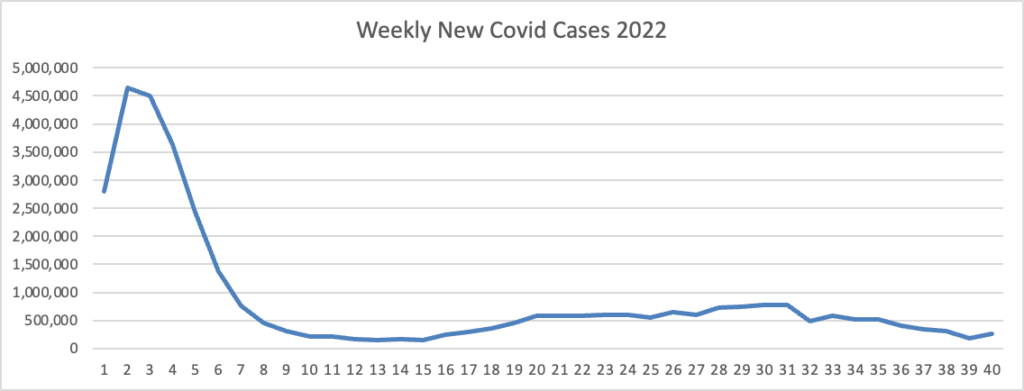
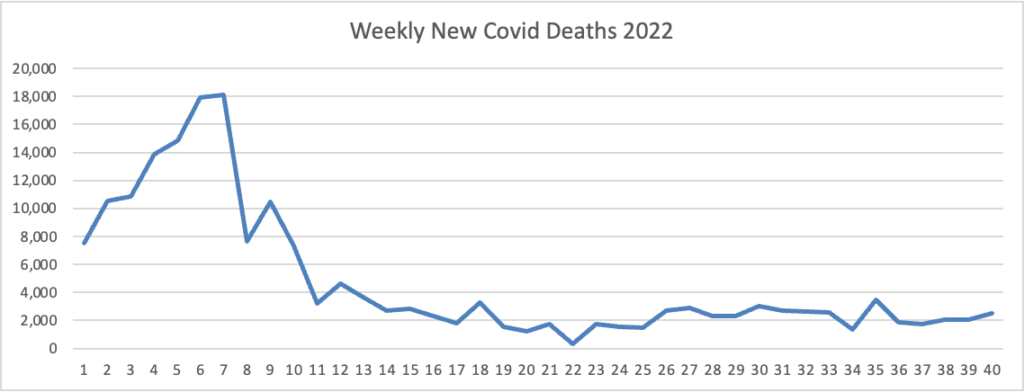
Using the CDC’s Covid Data Tracker and Thursday as the first day of the week, here are the FEHBlog’s weekly charts of new Covid cases and deaths from the 27th week of 2021 through the 26th week of 2022:

The CDC did not produce its weekly review of Covid statistics today as it’s the beginning of the July 4th holiday weekend. The CDC’s daily averages of new cases, new deaths and new hospitalization for the past week has been 109,944 cases, 316 deaths and 4,947 hospitalizations.

Beckers Hospital Review informs us

Temporary loss of smell emerged as a common indicator of COVID-19 early in the pandemic. Research into the cause and treatment of the condition, known as anosmia, is ongoing, though recent studies have brought us one step closer to answers. 

Two latest findings on COVID-19-related anosmia:

1. Loss of smell and taste is becoming less common as the virus evolves, according to researchers.

2. Smell and taste hasn’t fully returned for many people who contracted COVID-19 early in the pandemic, research shows. 

In retrospect, the FEHBlog is pleased that he continued theses charts from the last six months of 2021 into the first half of 2022 because doing so captured the three important surges. Now the FEHBlog has to decide what to do next Friday as the charts present a years worth of data.

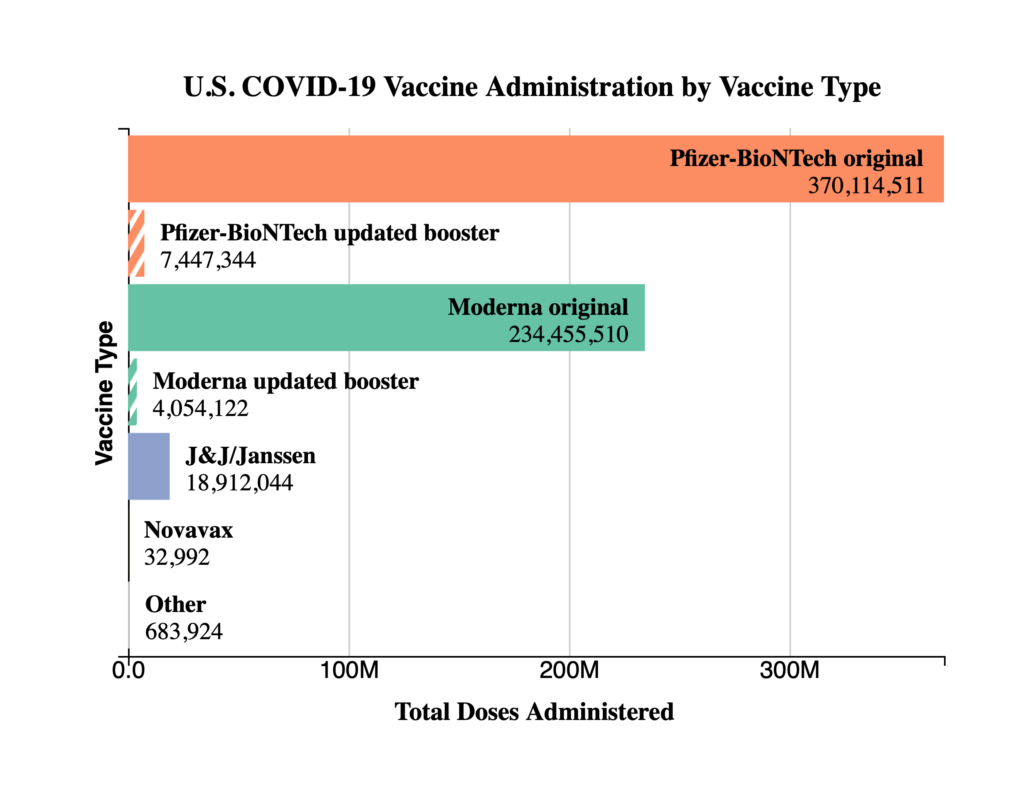
Here is the FEHBlog’s weekly chart of Covid vaccinations distributed and administered from the beginning of the Covid vaccination era (the 51st week of 2020) through this week, the 26th week of 2022.

It’s worth adding that the CDC is currenly providing weekly, not daily, vaccination stats. The CDC is now offering on a colorful, adjustable chart on “Primary Series Completion, Booster Dose Eligibility, and Booster Dose Receipt by Age, United States.

Medscape adds

COVID-19 vaccines protected against severe disease and death in people with overweight or obesity, a large English study found.

Compared with the unvaccinated, vaccinated individuals in each BMI group experienced significantly lower likelihood of COVID-related hospitalization starting at 2 weeks from their second dose, reported Carmen Piernas, PhD, of the University of Oxford, and colleagues:

* Underweight: OR 0.51 (95% CI 0.41-0.63)

* Normal weight: OR 0.34 (95% CI 0.32-0.36)

* Overweight: OR 0.32 (95% CI 0.30-0.34)

* Obesity: OR 0.32 (95% CI 0.30-0.34)

In other vaccine news, Medscape reports

A new study provides more evidence that influenza vaccination may help protect older adults against Alzheimer’s disease (AD).

In a large propensity-matched cohort of older adults, those who had received at least one influenza inoculation were 40% less likely than unvaccinated peers to develop AD over the course of 4 years.

“Influenza infection can cause serious health complications, particularly in adults 65 and older. Our study’s findings ― that vaccination against the flu virus may also reduce the risk of Alzheimer’s dementia for at least a few years ― adds to the already compelling reasons get the flu vaccine annually,” Avram Bukhbinder, MD, with McGovern Medical School at the UTHealth, Houston, Texas, told Medscape Medical News.

Sign me up.

Also from the public health front, Medscape tells us

About 80% of US adults have low to moderate cardiovascular (CV) health based on the American Heart Association (AHA) checklist for optimal heart health, which now includes healthy sleep as an essential component for heart health. With the addition of sleep, “Life’s Essential 8” replaces the AHA’s “Life’s Simple 7” checklist. * * *

The AHA Presidential Advisory — Life’s Essential 8: Updating and Enhancing the American Heart Association’s Construct on Cardiovascular Health — was published online June 29 in the journal Circulation.

companion paper published simultaneously in Circulation reports the first study using Life’s Essential 8.

Overall, the results show that CV health of the US population is “suboptimal, and we see important differences across age and sociodemographic groups,” [Dr. Donald] Lloyd-Jones [chair of the department of preventive medicine at Northwestern University’s Feinberg School of Medicine in Chicago] said.

Medpage offers a detailed Q&A on monkeypox. Among them

Could monkeypox be spread easily from person to person, similar to COVID-19? 

“Monkeypox is certainly not COVID-19,” stressed [Capt. Agam] Rao [, MD, a medical officer at the U.S. Public Health Service at the National Center for Emerging and Zoonotic Infectious Diseases (NCEZID)]. Based on prior outbreaks and the current outbreak, monkeypox appears to spread through “direct close contact. So, intimate contact that might happen during sex, but also any other close contact that might occur — for example, if you live with someone who has monkeypox and you are sleeping on the same bedding and using the same towels.”

“It really is not something that you will just pass on to someone walking down the street,” she said.

While agency researchers are “keeping an open mind” about the possibility that the virus could be more easily transmitted, “at this time, there’s no indication that it would spread the way that COVID spread and spread to as many people, [and] at this time, the risk for the worldwide population … is low,” she added.

From the prior authorization front, Healthcare Dive reports

Aetna is no longer requiring prior authorization for cataract surgeries, a controversial policy the payer adopted a year ago, according to a new provider notice.

Aetna is also rolling back prior authorization requirements for video EEGs and home infusion for some drugs. It’s adding two new-to-market drugs to the precertification list.

The payer said in a statement that it came to its decision after analyzing real-time data from the year the requirement was in place. “Going forward, we will focus on retrospective reviews of procedures and providers where questions of medical necessity exist,” Aetna said.

From the Rx coverage front, Fierce Pharma offers an article on how payers are planning to avoid cost shocks associated with gene therapy.

Kelley Miller, senior director of managed markets for the specialty pharmacy Optum Frontier Therapies, said there are three major considerations for his team during coverage talks. One is the clinical landscape, while another is the “human” element of what the patients and their families are going through. Thirdly, the team looks at the “economic impact” of the treatment.

Once Miller’s team has that information, the “conversations should come fast and furious,” he said.

Despite the biopharma industry’s advances in gene therapies, ICER president Steven Pearson, M.D., M.Sc., said it’s still a “fairly dicey business proposition” for companies in this field, especially outside the U.S. He pointed to bluebird bio’s decision to pull beta thalassemia gene therapy Zynteglo from the European market last year.

From the U.S. healthcare front, Beckers Hospital Review reports

IBM Watson Health, in partnership with Fortune, has released its top 15 health systems, which they find set an example for health systems and hospitals across the nation. With its data, the report will continue to stand as a resource for these groups to improve their quality of care and efficiency. 

In its 14th year of publishing this study, IBM Watson Health found that the top 15 health systems had better survival rates, fewer patient complications, fewer healthcare-associated infections, better long-term outcomes, better 30-day mortality/revisitation rates and more. The study also found that patients revered the top 15 hospitals more than peer system hospitals. 

For 2022, Allina Health of Minneapolis, MN, sits on top of the large health systems division. Cone Health of Greensboro, NC, sits on top of the medium health systems division. Asante of Medford Oregon sits on top of the small health system division.

From the Medicare Advantage front, Health Payer Intelligence discusses AHIP’s statement on the Medicare Advantage program which places various attacks against the MA program in perspective.

In addition to defending prior authorizations and spotlighting certain facets of OIG reporting, AHIP also offered evidence for Medicare Advantage plans’ efficacy overall.

The health plans have been proven to excel on quality measures and on overall efficiency, surpassing original Medicare’s quality level. They also have to ascribe to certain network adequacy standards.

Medicare Advantage plans produce savings for the Medicare program and offer higher value for members and taxpayers. In particular, Medicare Advantage plans offer strong value to members who are lower-income and underserved.

Lastly, AHIP pointed out that these plans have bipartisan support.

Finally federal employee benefits consultant Tammy Flanagan follows the retirement process of a federal employee in a three-part article in Govexec.

Thursday Miscellany

Photo by Josh Mills on Unsplash

Wishing everyone a happy end of the second quarter 2022.

From Capitol Hill, the American Hospital Association informs us

The House Appropriations Committee today voted 32-24 to approve legislation that would provide $242.1 billion in funding for the departments of Labor, Health and Human Services, and Education in fiscal year 2023, a 13% increase over the prior fiscal year.

According to a committee summary, the bill would provide $124.2 billion for HHS, $15.6 billion more than the FY 2022 enacted level but slightly below the president’s request.

* * *

Notably, the HHS report language would urge the Centers for Medicare & Medicaid Services to evaluate several aspects of the Medicare Advantage program that are important to hospitals and health systems. Specifically, Congress would urge CMS to assess MA enrollees’ access to long-term acute care hospitals, inpatient rehabilitation facilities and substance use services, including by looking at MA plan prior authorization policies and network adequacy. In addition, the report encourages CMS to examine potential MA plan overpayments with a particular focus on risk adjustment.

The full House is expected to consider the bill in July. 

STAT News reports

Senate Democrats are vetting a new, tweaked version of a drug pricing package as they hurtle toward a September deadline to pass any major reforms.

It’s by no means certain that Congress will pass prescription drug pricing reform as part of a broader domestic policy package being hammered out between Senate Majority Leader Chuck Schumer and moderate Sen. Joe Manchin (D-W.V.), but this week, the chances are looking better than ever. * * *

The new plan looks a lot like the one Democrats settled on last fall — a sweeping overhaul of how the government pays for prescription drugs [which fell short of passage]. There are a few main differences, according to a summary obtained by STAT. The Washington Post first reported the summary. * * *

In the coming days, Senate leadership is planning to ask the Senate’s rules referee to review the policy to see whether it could be passed using a fast-track process known as reconciliation. The original drug pricing plan was never actually vetted by the referee last year, after negotiations soured between the White House and Manchin in December.

Senate Democrats are hoping to finalize tax and climate provisions and put a full bill on the floor as soon as late July, according to a source familiar with the talks. Democrats would have to advance a bill by Sept. 30 to use the reconciliation mechanism, which allows them to advance policy without Republican support.

From the Omicron and siblings front, MedPage Today tells us

The FDA on Thursday called on COVID-19 vaccine manufacturers to include components targeting the latest Omicron strains in bivalent booster shots for the fall and winter 2022 season.

“We have advised manufacturers seeking to update their COVID-19 vaccines that they should develop modified vaccines that add an omicron BA.4/5 spike protein component to the current vaccine composition,” Peter Marks, MD, PhD, director of FDA’s Center for Biologics Evaluation and Research, said in a statement. “As we move into the fall and winter, it is critical that we have safe and effective vaccine boosters that can provide protection against circulating and emerging variants to prevent the most severe consequences of COVID-19.”

If all goes according to plan, the modified vaccines could potentially be available in “early to mid-fall,” he said.

The Robert Wood Johnson Foundation calls our attention to the following resource:

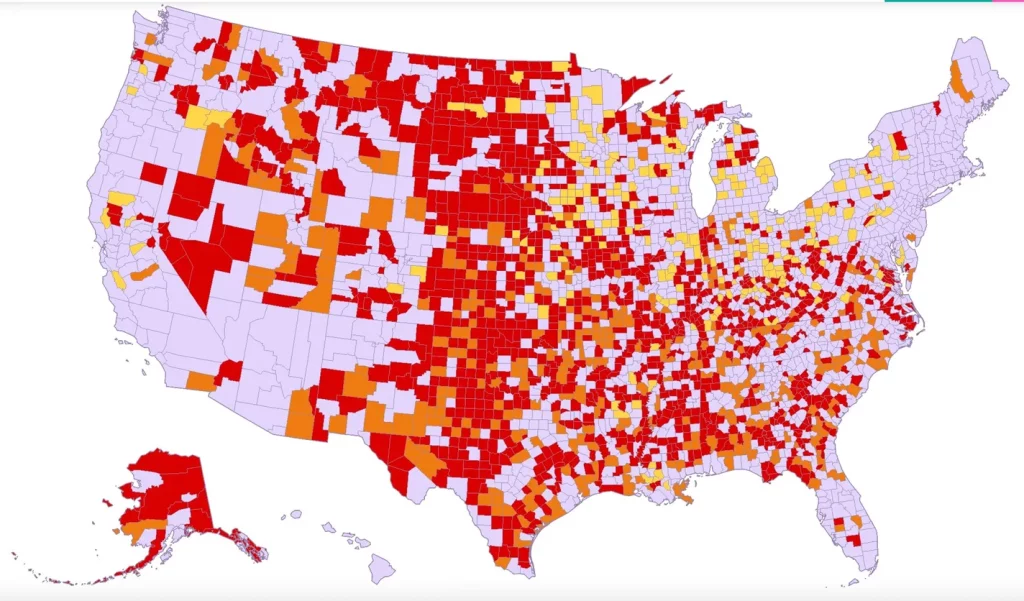
The US COVID Atlas, led by University of Chicago with support from RWJF, is a near real-time visualization tool that helps you access current, validated county-level data and spatial analysis to better understand the spread in communities and to bolster planning efforts.

* Identify hotspots in real-time 

* Track vaccination rates by region or county 

* Locate areas that will soon be affected by the virus  

* Connect social, economic, and health indicators for meaningful community context

From the rural health care front, the American Hospital Association informs us

The Centers for Medicare & Medicaid Services today released a proposed rule establishing the conditions of participation for Rural Emergency Hospitals and updating a few requirements for Critical Access Hospitals. The Consolidated Appropriations Act of 2021 established REHs to preserve an emergency presence in communities where rural hospitals could no longer be sustained. By law, REHs can provide emergency services, observation care, and additional medical and health outpatient services. CMS has proposed standards for REHs based largely on the current CAH CoPs and, where appropriate, on outpatient services’ requirements. CMS is seeking input from the rural community on specific proposed REH standards, including the ability of an REH to provide low-risk labor and delivery services and the minimum qualifications for professionals who will provide on call emergency services.

HHS adds

For today’s rule, the comment period closes on August 29, 2022.

For more information on the Rural Emergency Hospital and Critical Access Hospital Conditions of Participation, visit: https://www.federalregister.gov/public-inspection/current

To read the Fact Sheet on the Rural Emergency Hospital and Critical Access Hospital Conditions of Participation, visit: https://www.cms.gov/newsroom/fact-sheets/conditions-participation-rural-emergency-hospitals-and-critical-access-hospital-cop-updates-cms-3419.

To read the Fact Sheet on HHS actions to strengthen rural health, click here:  https://www.hhs.gov/sites/default/files/rural-health-fact-sheet.pdf

From the transparency front, STAT News reminds us

The federal government’s latest push for more health care price transparency starts July 1, and it is focused on those who are writing the checks: Health insurance companies and employers that directly pay for their workers’ medical care will have to start posting data on what they pay hospitals, doctors, and other providers.

The law requires all health insurers and self-insured employers (also known as self-funded) to publish machine-readable files with two sets of information: the negotiated prices paid to in-network hospitals and doctors, and the allowed rates paid to out-of-network hospitals and doctors. This data — which has to be on a public website, just like hospitals’ prices — does not reflect what workers pay out-of-pocket for care, but does reflect the premiums that employers and workers pay.

The law also says insurers and employers have to disclose what they pay for prescription drugs. However, that has been punted for now while the federal government mulls “whether this requirement remains appropriate,” according to an April notice.

From the second-quarter earnings front, the Wall Street Journal reportsWalgreens Boots Alliance Inc. is bracing for a recession and life after Covid.  The second-biggest U.S. drugstore chain by stores said Thursday that quarterly sales fell and earnings plunged as revenue from Covid-19 vaccinations dried up. The pharmacy chain also paid out a $683 million opioid settlement.”

Midweek update

Thanks to Alexandr Hovhannisyan for sharing their work on Unsplash.

From the Omicron and siblings front —

The Wall Street Journal reports

The Biden administration has agreed to pay $3.2 billion for 105 million doses of Pfizer Inc.’s Covid-19 vaccine.

The deal would provide supplies for the federal government’s planned fall booster campaign, which administration officials are devising to blunt a potential wave in cases, possibly driven by variants of the Omicron strain now spreading across the U.S.

Under the deal, the federal government would have the option to buy 195 million additional doses, the Health and Human Services Department said Wednesday. Pfizer, which developed and makes the vaccine with partner BioNTech SE, would make whatever type of vaccine federal health regulators decide should be featured in the fall campaign.

The American Hospital Administration informs us

The Department of Health and Human Services’ Office of the Assistant Secretary for Preparedness and Response and Food and Drug Administration this week extended the shelf life for certain refrigerated lots of the COVID-19 combination monoclonal antibody therapies REGEN-COV and Evusheld. They extended the shelf life for REGEN-COV from 24 months to 30 months and the shelf life for Evusheld from 18 months to 24 months. FDA last year authorized the therapies for emergency use to prevent COVID-19 in certain adults and children. REGEN-COV is not currently authorized in any U.S. region because it is unlikely to be effective against the omicron variant and subvariants.

Health IT Analytics tells us “The National Institutes of Health’s (NIH) All of Us Research Program has announced that health data from 20,000 people who have had SARS-CoV-2 is now available to researchers in the US, expanding the program’s dataset to encourage the study of long COVID, social determinants of health (SDOH), and health disparities.”

Also, from the SDOH front, MedPage Today informs us

Maternal mortality rates substantially increased during the COVID-19 pandemic, according to a study using data from the National Center for Health Statistics.

After March 2020, maternal deaths increased by 33.3%, which was higher than the 22% overall excess death estimate expected to result from the pandemic, reported Marie Thoma, PhD, of the University of Maryland in College Park, and Eugene Declercq, PhD, of Boston University.

The rate of maternal deaths before the pandemic was 18.8 per 100,000 live births, which increased to 25.1 per 100,000 live births during the pandemic, the authors noted in a research letter published in JAMA Network Open. * * *

The largest increases were seen in Hispanic and Black women, which was in line with maternal mortality rates before the pandemic. Hispanic women saw a relative change of 74.2% (8.9 deaths per 100,000 live births), and Black women saw a 40.2% relative change (16.8 deaths per 100,000 live births), while white women saw a 17.2% relative change (2.9 deaths per 100,000 live births).

From the monkeypox front, the Department of Health and Human Services announced

an enhanced nationwide vaccination strategy to mitigate the spread of monkeypox.  The strategy will vaccinate and protect those at-risk of monkeypox, prioritize vaccines for areas with the highest numbers of cases, and provide guidance to state, territorial, tribal, and local health officials to aid their planning and response efforts.

Under the strategy, HHS is rapidly expanding access to hundreds of thousands of doses of the JYNNEOS vaccine for prophylactic use against monkeypox in areas with the highest transmission and need, using a tiered allocation system. Jurisdictions can also request shipments of the ACAM2000 vaccine, which is in much greater supply, but due to significant side effects is not recommended for everyone.  * * *

The Advisory Committee on Immunization Practices currently recommends vaccination for those at high risk following a confirmed monkeypox exposure. Given the large number of contacts and difficulty in identifying all contacts during the current outbreak, vaccine will now be provided to individuals with confirmed and presumed monkeypox exposures. This includes those who had close physical contact with someone diagnosed with monkeypox, those who know their sexual partner was diagnosed with monkeypox, and men who have sex with men who have recently had multiple sex partners in a venue where there was known to be monkeypox or in an area where monkeypox is spreading.

The American Hospital Association adds

CDC yesterday activated its Emergency Operations Center to monitor and coordinate the emergency response to monkeypox and mobilize additional CDC personnel and resources. The agency has expanded testing capacity for the virus since May 18, when the first U.S. case in the global outbreak was confirmed, to include up to 78 state public health laboratories and five commercial laboratory companies. As of June 28, 306 U.S. monkeypox cases have been reported

From the Dobbs case front

  • CNBC reports “CVS is removing its earlier purchase limit on emergency contraceptive pills. The chain said that ‘sales have since returned to normal and we’re in the process of removing the purchase limits.'”
  • HHS’s Office for Civil Rights announced “new guidance to help protect patients seeking reproductive health care, as well as their providers.”

In general, the guidance does two things:

1. addresses how federal law and regulations protect individuals’ private medical information (known as protected health information or PHI) relating to abortion and other sexual and reproductive health care – making it clear that providers are not required to disclose private medical information to third parties; and

2. addresses the extent to which private medical information is protected on personal cell phones and tablets, and provides tips for protecting individuals’ privacy when using period trackers and other health information apps.

According to recent reports, many patients are concerned that period trackers and other health information apps on smartphones may threaten their right to privacy by disclosing geolocation data which may be misused by those seeking to deny care. * * *

The guidance on the HIPAA Privacy Rule and Disclosures of Information Relating to Reproductive Health Care may be found at https://www.hhs.gov/hipaa/for-professionals/privacy/guidance/phi-reproductive-health/index.html.

The guidance on Protecting the Privacy and Security of Your Health Information When Using Your Personal Cell Phone or Tablet may be found at https://www.hhs.gov/hipaa/for-professionals/privacy/guidance/cell-phone-hipaa/index.html.

From the FDA front, BioPharma Dive identifies five FDA decisions to watch in the third quarter of 2022 which starts on Friday.

From the Affordable Care Act front, the Internal Revenue Service released a draft of the 2022 Form 1095-B which FEHB and other health plans offering minimum essential coverage must make available to their enrollees.

Tuesday’s Tidbits

Photo by Patrick Fore on Unsplash

From Capitol Hill, MedPage Today reports on yesterday’s House Oversight and Reform Committee hearing on the federal response to the drug overdose crisis. Both parties flogged the government agency witnesses. It’s worth reading. This epidemic merits more attention that Covid at this point in the FEHBlog’s view.

Nevertheless, from the Omnicron and siblings front

The Wall Street Journal reports

The easily spread Omicron BA.4 and BA.5 subvariants represent more than half of all U.S. Covid-19 cases, federal estimates showed, ramping up pressure as a spring surge stretches into summer. 

The two variants represented a combined 52% of cases for the week ended June 25, according to estimates the Centers for Disease Control and Prevention released on Tuesday. The variants were most prevalent—an estimated 60% of cases—in a five-state region that includes Texas, Oklahoma, Louisiana, Arkansas and New Mexico.

What’s more also per the Journal

Federal health authorities moved a step closer to authorizing modified Covid-19 booster shots that better target the Omicron variant and could be rolled out by the fall.

Vaccine advisers to the Food and Drug Administration, which includes doctors and public-health specialists, voted 19 to 2 to recommend updating Covid-19 vaccines to target the Omicron variant.

The recommendation, which the FDA doesn’t have to follow but often does, suggests the agency may go ahead and direct vaccine makers Pfizer Inc., its partner BioNTech SE and Moderna Inc. to proceed with plans to roll out modified boosters.

The vote didn’t specify whether the modified boosters should only target Omicron, or target both Omicron and the ancestral strain of the coronavirus, though several committee members said they preferred a dual-target approach. 

The vote also didn’t specify whether the modified shots should target more recent subvariants of Omicron now dominant in the U.S. * * *

Many members of the committee said they thought it should target the recent subvariants of Omicron, known as BA.4 and BA.5.

After the vote, Dr. Peter Marks, who heads the FDA’s vaccines division, said he took away from the meeting support for shots that target the ancestral strain as well as BA.4 and BA.5.

The options for a fall booster shot include sticking with current vaccines or using updated, Omicron-targeted vaccines that have shown promise in clinical studies. Another option: Use boosters that target more recent Omicron subvariants, including BA.4 and BA.5, but that haven’t been tested in people.

From the hospital systems front, the American Hospital Association informs us

U.S. hospitals and health systems continued to face difficult financial and operational headwinds in May, according to the latest report by Kaufman Hall, based on data from more than 900 hospitals.

“Nearly halfway through 2022, margins are cumulatively negative,” the report notes. “While some metrics have normalized, hospitals continue to perform below pre-pandemic levels, and there is an uncertain outlook for the rest of the year.”

Hospitals continue to see higher labor costs and fewer hours worked, “a sign of inflation and an indicator that long-standing labor shortages are likely worsened by increased turnover,” the authors said.

In addition, the Lown Institute has released its 2022 rankings of socially responsible hospital systems in the U.S. According to the Institute’s press release,

Sixty-six U.S. hospitals earned the distinction of “most socially responsible” by the Lown Institute, a think tank known for its evidence-based assessments of America’s healthcare providers. To achieve this designation, hospitals earned “A” grades across measures of health equity, value, and outcomes. 

Launched in 2020, the Lown Institute Hospitals Index for Social Responsibility draws attention to leading and lagging institutions nationwide, and provides benchmarks for hospitals to measure how well they serve their patients and communities. 

From the medical research front —

The National Institutes of Health announced

A Phase 1 clinical trial of a novel influenza vaccine has begun inoculating healthy adult volunteers at the National Institutes of Health Clinical Center in Bethesda, Maryland. The placebo-controlled trial will test the safety of a candidate vaccine, BPL-1357, and its ability to prompt immune responses. The vaccine candidate was developed by researchers at the National Institute of Allergy and Infectious Diseases (NIAID). The single-site trial can enroll up to 100 people aged 18 to 55 years and is led by NIAID investigator Matthew J. Memoli, M.D. * * *

“With the BPL-1357 vaccine, especially when given intranasally, we are attempting to induce a comprehensive immune response that closely mimics immunity gained following a natural influenza infection,” said Dr. Memoli. “This is very different than nearly all other vaccines for influenza or other respiratory viruses, which focus on inducing immunity to a single viral antigen and often do not induce mucosal immunity.”

“Our study will examine the safety of BPL-1357 and also will allow us to assess the importance of mucosal immunity against flu and whether a strategy of inducing both the cellular and antibody arms of the immune system can provide broader protection against the ever-changing influenza virus,” he added.

For additional information about the trial, visit clinicaltrials.gov and search on the trial identifier NCT05027932.

MedTech Dive tells us

If a knee talks, who’s listening? 

That’s the question facing orthopedic surgeons and rehab physicians as they learn to work with a new knee replacement that incorporates sensors and processors to send data about how the joint works from deep inside the patient’s body. 

It’s one of a growing number of devices sending data to physicians to help them monitor their patients, including continuous glucose monitors and wearables to monitor for heart arrhythmia. With this influx of information, medtech companies are still ironing out how to make the data useful for doctors. * * *

“The talking knee is a reality,” Indiana-based Zimmer Biomet announced at the American Academy of Orthopaedic Surgeons’ conference last year. The company was presenting its new knee-implant extension with an embedded sensor just days after receiving de novo clearance from the Food and Drug Administration. 

Now, Zimmer, which developed the device along with California-based Canary Medical, Inc., a company that creates sensors for medical devices, has begun selling the smart knee implant, called Persona IQ. It can measure a patient’s range of motion, step count, stride length, and walking distance from inside the human body. Still, physicians don’t yet know how to use this data to help patients [due to lack of time currently]. * * *

Eventually, sensors will detect problems with implants, help patients adjust their gait or provide data to predict patient outcomes. Meanwhile, competitors are creating systems that use wearable sensors to track patient recovery and hinting at their own plans for sensor-embedded implants. 

Bill Hunter, Canary’s founder and chief executive, said in an interview that medical technology companies are already unleashing a wave of sensor-loaded devices in other sectors.

“Having this ability for the device to provide the clinician with actual feedback from inside the body has implications in most every major medical device,” he said. “So I do believe that you will see this showing up in all kinds of different ways.”

Time will tell but the FEHBlog’s money is on the sensor companies. Fascinating article.

Monday Roundup

Photo by Sven Read on Unsplash

From Capitol Hill, Federal News Network discusses the federal employee pay raise angles presented by the House financial service and general appropriations bill which cleared the House Appropriations Committee last Friday. Federal News Network indicates that the bill leaves the door open for the Senate to also accept the President’s proposed 2023 4.6% pay raise for federal employees and the military.

From the Dobbs case front, Govexec.com reports

President Joe Biden announced two actions immediately after the ruling: one directing the Department of Health and Human Services to safeguard access to contraception and medication abortion, and another protecting travel for medical appointments.

To those ends,

  • Govexec tells us that OPM today confirmed that its policy allowing federal employees to apply sick time to travel out of state remains in effect after the high court struck down Roe v. Wade, and
  • The Department of Health and Human Services (HHS) announced that a meeting was held today between Affordable Care Act regulators, including the HHS and Labor Department Secretaries, and health plan executives to emphasize the importance of full compliance with the ACA’s contraceptive coverage with no cost-sharing mandate when delivered in-network. The ACA regulators also issued a letter to health plans making the same point.

The FEHBlog ran across this NPR Shots article which explains that the Plan B or morning-after pill is considered a contraceptive and not an abortion drug. The Wall Street Journal informs us

Some of the nation’s biggest retailers are rationing over-the-counter emergency contraceptive pills as demand spikes following the Supreme Court ruling overturning a constitutional right to abortion.CVS Health Corp.,  Walmart Inc., and Rite Aid Corp. were limiting purchases of the pills, which were in short supply or out of stock Monday morning on major retailer websites. CVS and Rite Aid were limiting purchases to three. Walmart had some pills available without limits, but only in cases where they wouldn’t ship until next month. Pills available this week were limited to four or six.

From the Omicron and siblings and monkeypox front

  • Govexec reports on a U.S. Court of Appeals for the Fifth Circuit decision order rehearing a federal employee vaccine mandate case which upheld the mandate on lack of plaintiffs’ standing to challenge the mandate. The mandate nevertheless has remained on hold while the case winds it way through the appellate court.
  • USA Today reports on when and how to access the monkeypox vaccine.

From the Medicare front, HHS announced

a new model aimed at improving cancer care for Medicare patients and lowering health care costs. CMS’ Center for Medicare and Medicaid Innovation (Innovation Center) designed the Enhancing Oncology Model (EOM) to test how to improve health care providers’ ability to deliver care centered around patients, consider patients’ unique needs, and deliver cancer care in a way that will generate the best possible patient outcomes. The model will focus on supporting and learning from cancer patients, caregivers, and cancer survivors, while addressing inequities and providing patients with treatments that address their unique needs.

From the reports and studies department —

  • The next issue of Health Affairs offers a bevy of articles on Type 2 diabetes and pre-diabetes which are available at this link.
  • The Congressional Budget Office has made available examples of the work performed by its Health Analysis Division.
  • HealthDay reports “More than 18 million Americans have now survived cancer, a new report shows. The American Cancer Society (ACS) and the U.S. National Cancer Institute collaborated on the report to estimate cancer prevalence and help public health officials better serve survivors.”
  • mHealth Intelligence calls our attention to a telehealth-oriented  Healthcare Experience Report: 2022 released by Zocdoc. The FEHBlog was pleased to read “Mental health continues to hold a place of dominance in telehealth. In May of 2020, 2021, and 2022, the percentage of mental health visits that occurred virtually was 74 percent, 85 percent, and 87 percent, respectively.” Hub and spoke telehealth, e.g, Teladoc, brings mental health care in-network thereby lowering benefit costs while improving access to care.

Weekend update

Photo by Dane Deaner on Unsplash

From Capitol Hill —

The Senate is on a State work break for the next two weeks which encompasses Independence Day. The House of Representatives will be engaged in Committee business this week through Thursday. Then the House will be on District work break through the end of the following week.

The House Oversight and Reform Committee is holding a hearing tomorrow on an important topic: “Examining the 2022 National Drug Control Strategy and the Federal Response to the Overdose Crisis.”

On Friday, the House Appropriations Committee approved

the fiscal year 2023 Financial Services and General Government bill on a 31 to 22 vote. * * *

The following amendments to the bill were adopted by the full Committee:

Rep. Quigley – The manager’s amendment makes technical and noncontroversial changes to the bill and report. The amendment was adopted by voice vote.

Rep. Stewart #3 – This amendment prohibits the government’s use of cloud computing platforms unless they prevent child exploitation images. The amendment was adopted by voice vote.

A summary of the bill is here. The text of the draft bill is here. The bill report, before the adoption of amendments in full Committee, is here

This bill includes FEHB and OPM funding.

It occurred to the FEHBlog over the weekend that on Friday he did not explain how the Supreme Court’s Dobbs decision overruling Roe v. Wade impacts the FEHB Program. The short answer in the FEHBlog’s opinion is that it has no impact.

Under the Hyde Amendment whose requirements have been applied to the FEHB via annual appropriations bills for decades, FEHB Program coverage of abortions is limited to abortions in cases of rape, incest, or endangerment of the mother’s life. Federal courts of appeals uniformly have held that the Hyde Amendment preempts more restrictive State abortion limitations. E.g., Planned Parenthood Affiliates v. Engler, 73 F.3d 654 (6th Cir. 1996) (citing precedential authorities).

From the Omicron and siblings front —

Nature reports

The BA.4 and BA.5 subvariants are spiking globally because they can spread faster than other circulating variants — mostly BA.2, which caused a surge in cases at the beginning of the year. But so far, the latest Omicron variants seem to be causing fewer deaths and hospitalizations than their older cousins — a sign that growing population immunity is tempering the immediate consequences of COVID-19 surges.

Nature explores what the rise of BA.4 and BA.5 means for the pandemic.

The FEHB agrees that the complete Nature article is worth reading.

The Wall Street Journal informs us

Pfizer Inc. and BioNTech SE vaccines modified to target the Omicron variant produced a significantly larger immune response than the companies’ currently available vaccine in a study, they said.

A modified booster shot targeting Omicron specifically increased neutralizing antibody levels 13.5 to 19.6 times higher than the current shot in study volunteers a month after administration, depending on the dose, the companies said Saturday. * * *

The results, coming after Moderna Inc. also found its Omicron-targeting booster produced a stronger immune response, suggest possible benefit to modifying the shots to improve protection against an evolving virus.

The Journal adds that the Food and Drug Administration is considering whether to give emergency use authorization to the Omicron-oriented boosters for fall 2022. Based on the Nature article, it appears that Omicron will still be with us then.

Fortune identifies seven things doctors who treat long Covid want people to know.

From the Monkeypox front, Bloomberg Prognosis tells us

The World Health Organization opted against calling the recent monkeypox outbreak a public health emergency of international concern.

The outbreak is “clearly an evolving threat,” the WHO said in a statement Saturday, though it doesn’t constitute an international public health emergency “at this moment.” An emergency committee convened on Thursday to discuss the outbreak.

“What makes the current outbreak especially concerning is the rapid, continuing spread into new countries and regions and the risk of further, sustained transmission into vulnerable populations including people that are immunocompromised, pregnant women and children,” according to the statement. “It requires our collective attention and coordinated action now to stop the further spread of monkeypox virus.”

NPR Shots expresses concern that U.S. testing program for this disease is inadequate.

For many of the [201] confirmed cases, health officials don’t know how the person caught the virus. Those infected haven’t traveled or come into contact with another infected person. That means the virus is spreading in some communities and cities, cryptically. 

“The fact that we can’t reconstruct the transmission chain means that we are likely missing a lot of links in that chain,” Jennifer Nuzzo, an epidemiologist at Brown University, says. “And that means that those infected people haven’t had the opportunity to receive medicines to help them recover faster and not develop severe symptoms. 

“But it also means that they’re possibly spreading the virus without knowledge of the fact that they’re infected,” she adds.

In other words: “We have no concept of the scale of the monkeypox outbreak in the U.S.,” says biologist Joseph Osmundson at New York University. “

NPR explains that the monkeypox testing process is much too cumbersome and the CDC hopes to have the process streamlined “sometime in July.”

Meanwhile, Precision Vaccines reports

New influenza vaccine effectiveness data presented at the U.S. CDC’s June 22, 2022 meeting of the Advisory Committee on Immunization Practices (ACIP) show flu shots worked better during 2021 – 2022 than initially reported.

Published on June 23, 2022, this ACIP data shows flu shots reduced the risk of influenza illness by about 35% among vaccinated people.

Data from October 4, 2021, through April 30, 2022, showed that flu vaccines reduced people’s risk of mild to moderate flu illness caused by H3N2 flu viruses—the most common flu viruses this season—by about one-third overall. * * *

Also, at the meeting, ACIP voted in favor of a preferential recommendation for certain flu vaccines over others for adults 65 years and older in the United States. 

The ACIP voted to preferentially recommend higher-dose flu vaccines (Fluzone High-Dose vaccine and Flublok recombinant vaccine) or adjuvanted flu vaccine (Fluad vaccine) over standard-dose unadjuvanted flu vaccines.

And if one of these vaccines is unavailable at the time of administration, people in this age group should get a standard-dose flu vaccine instead. 

From the health information technology front, Health Data Management calls out attention to the following

  • “In a [very sensible] letter to Department of Health and Human Services Secretary Xavier Becerra, several healthcare standards organizations are calling for streamlining and making more predictable the process for submitting attachments as well as modernizing existing rules to improve patient care and reduce burdens on clinicians.”
  • New legal requirements for providers to give an estimated cost of patients’ medical services will be difficult to meet, particularly when multiple organizations are involved in a patient’s care, according to WEDI, the Workgroup on Electronic Data Interchange. Meeting the requirements of the No Surprises Act, which was included as part of a Consolidated Appropriations Act passed late in 2020, will be challenging because there is no standardized process to enable the exchange of cost information among facilities, WEDI notes.”
  • While healthcare organizations see the prevailing trend of increasing patient consumerism, the ability to give patients opportunities to schedule their own appointments is lagging. Many organizations have adopted some capabilities for self-scheduling, according to new research from the Center for Connected Medicine (CCM), yet the use of these tools remains low [because] scheduling solutions lack the right algorithms and that organizations lack standardized scheduling templates across appointment types.”

In particular the second bullet strikes a chord with the FEHBlog as he has pointed out that Congress made a huge mistake by failing add the provider’s good faith estimate and the health plan’s advance explanation of benefits to the list of HIPAA standard transactions.