Weekend update

Weekend update

Photo by Mark Tegethoff on Unsplash

From the Capitol Hill front, Congress is on a State / District work period for the next two weeks.

Medpage Today identifies the likely winners and losers if the Senate joins the House of Representatives in capping insulin cost-sharing at $35 per dose. There are no surprises.

From the federal employment front, Govexec tells us

The U.S. Postal Service has converted 63,000 part-time or non-permanent workers into career positions, with leadership saying it has helped stabilize the workforce after years of escalating turnover.  * * *

The Postal Service ended 2021 with nearly 517,000 career employees, its highest total since 2012. The non-career workforce has remained fairly steady in recent years at 136,000. 

This factoid is worth noting because career employees typically are eligible for FEHB coverage while part-timers and non-permanent workers are not.

From the Omicron and siblings front, the Wall Street Journal informs us about the BA.2-related numbers to watch when considering whether or not to take additional Covid precautions. For example,

Hospitalization rates are likely a more accurate indicator of transmission and reflect the severity of infections, some scientists say. A related useful metric:  the number of people visiting emergency rooms with influenza-like illnesses, which the CDC tracks and publishes nationally; New York has data, too. Scientists say BA.2 is more transmissible than the original Omicron variant but not more dangerous. * * *

UNC’s Dr. Lessler says the [CDC’s Communities] map is useful for those who aren’t at high risk for severe Covid and don’t have close contact with those who are. “It can serve as a good lower limit for how cautious to be,” he says.

The CDC’s surveillance of wastewater for Covid-19 is also telling, he says, though it is based on limited samples. Some wastewater data show readings from the Northeast, in particular, have been edging higher from low levels. * * *

Should you decide that the level of Covid-19 circulating is too high for your comfort, Dr. Varma advises putting a few measures in place:

— Make sure you’re up to date with Covid vaccinations and boosters for which you’re eligible.

— Have a supply of high-quality masks you can wear in indoor settings.

— Ensure that you have a supply of rapid antigen tests; one pack per family member is a good rule of thumb.

— Improve indoor ventilation when you have visitors over or if someone in your household gets Covid-19.

— Have the number of your local or state health department on hand so you can get antiviral pills if you qualify and fall sick.

And, if you test positive, follow the latest guidelines recommended by the CDC and your doctor. 

From the opioid epidemic front

  • NPR discusses draft CDC guidance on prescribing opioids that will replace the current guidance that was issued in 2016.
  • MedPage Today suggests that doctors should not prescribe opioids without first preparing a deprescribing plan for the patient.

A deprescribing plan involves laying out a specific path for reducing, and then eliminating, opioid use even before the first prescription is written. It is often a way for physicians to involve other resources, including mental health care, community support, and social services to assist the patient as opioid dosage gradually falls.

Importantly, the plan should not be an act of enforcement, but rather, the product of physician and patient working together. Properly structured, the plan will give the patient confidence that an opioid prescription may help relieve pain in the short run but will not lead to dependence or addiction in the long term. The goal is to produce a better outcome for the patient than is possible with continued opioid use.

From the telehealth front, mHealth Intelligence reports

MemorialCare in Fountain Valley, California, is partnering with TytoCare to enhance its telehealth services.

TytoCare provides virtual home examination and diagnosis solutions, including a hand-held tool for remotely examining the heart, lungs, skin, ears, throat, abdomen, and body temperature, and a telehealth platform for sharing exam data, conducting live video exams, and scheduling visits.

Through the new partnership, MemorialCare will expand its virtual care offerings. TytoCare’s handheld device will allow patients to perform guided medical exams with MemorialCare providers remotely. The device has received Food and Drug Administration approval.

Patients can use the TytoCare app to participate in video visits offered through MemorialCare’s Virtual Urgent Care service. Data from the remote exam is sent to MemorialCare providers through an encrypted network.

Providers can leverage exam data to diagnose and treat conditions and write a prescription if needed. The virtual visit is also downloaded into MemorialCare’s MyChart EMR system.

From the medical research department, STAT News reports

While CAR T-therapy has cured some people with blood cancers, this form of immunotherapy has so far produced lackluster results for solid tumors like lung or kidney cancer. But a new early-phase clinical trial presented on Sunday at the American Association of Cancer Research (AACR) conference suggests that CAR T-cells may be able to shrink some solid tumors — as long as it gets a boost from an mRNA vaccine from BioNTech.

The mRNA vaccine manufacturers worked on cancer cures before they pivoted to Covid in early 2020. It’s hopeful to see that BioNTech is back in cancer research.

Midweek update

The Postal Service Health Benefits Program was born today as the President signed into law the Postal Reform Act of 2022 (H.R. 3076). Here is a link to the President’s remarks made at the bill signing.

The PSHBP will become operational on January 1, 2025. OPM’s implementing rules must be finalized by April 6, 2023.

Govexec adds

The U.S. Postal Service is once again seeking to raise its rates by historically unusual amounts, announcing the increases on the same day President Biden signed into law a bipartisan bill to erase much of the agency’s debts and allow it to pursue new lines of revenue.  * * *

The new prices, which are set to go into effect July 10, would raise rates for regular, First-Class mail by 6.5% and by 8.5% for package services. A standard stamp would go from $0.58 to $0.60. The large increases were made possible under new authority the Postal Service’s regulator granted it in 2020 and which USPS employed for the first time last year. DeJoy promised as part of his 10-year business plan to use his authority to raise rates above inflation “judiciously,” but predicted USPS would generate between $35 billion and $52 billion by 2031 by raising prices.

From the Capitol Hill front, Roll Call reports “A bipartisan $10 billion COVID-19 supplemental is stuck in the Senate amid a dispute over a tangential pandemic-related border control policy, with both parties at a loss on how the impasse will be resolved.”

In other Omicron (and siblings) news

The Food and Drug Administration’s Vaccine and Biological Products Advisory Committee met today for a general discussion of Covid vaccines. The Wall Street Journal reports

A top U.S. health regulator said that asking people to frequently get Covid-19 boosters wasn’t sustainable because of vaccine fatigue and that authorities needed to develop a long-term strategy for protecting the public from the virus as it evolves.

Dr. Peter Marks, who heads the Food and Drug Administration’s vaccines division, said that last week’s authorization of a second booster dose for people 50 years and older and for people 12 and older with weakened immune systems was a stopgap.

STAT News offers a play-by-play account of that meeting here.

The American Hospital Association informs us

Medicare and Medicaid will cover a second Pfizer or Moderna COVID-19 booster at no cost to eligible enrollees, the Centers for Disease Control and Prevention announced today. Health care providers participating in the Centers for Disease Control and Prevention’s COVID-19 Vaccination Program also must provide authorized COVID-19 vaccines at no cost to recipients.

The FEHBlog discovered from reading an AHA squib that CDC Director Rochelle Wolensky approved the FDA’s March 29 second booster recommendation last week. That joint recommendation permits adults aged 50 and older to receive a second Pfizer or Moderna COVID-19 vaccine booster dose at least four months after an initial booster dose. In addition, those agencies authorized and recommended a second Moderna booster dose for certain immunocompromised adults and a second Pfizer booster dose for certain immunocompromised individuals aged 12 or older.”

What’s odd is that the ACA FAQ 50 indicates that the CDC advisory committee’s recommendation triggers the health plan to cover a particular use of a Covid vaccine with no member cost-sharing. Given that CMS has given the green light and the advisory committee reports to the CDC Director, the FEHBlog concludes that health plans also should step up to the plate and provide no cost-sharing coverage for these second boosters.

STAT Health tells us that

A new survey by STAT and The Harris Poll finds six in 10 Americans have already decided they will get another booster if it’s recommended for them.

Just under one-quarter of U.S. adults indicated they will only receive a second booster shot if a new variant arises or there is a surge in Covid-19 cases in their area, and 18% have no plans to get a booster at all, according to the survey, which polled 2,028 U.S. adults between March 25 and 27.

America has spoken.

From the No Surprises Act front, the AHA notes

The Centers for Medicare & Medicaid Services has released a new FAQ for health care providers on the No Surprises Act’s requirements and prohibitions, and the independent dispute resolution process; and a new FAQ on providing good faith estimates to uninsured and self-pay patients. CMS plans to launch next week the online portal through which uninsured and self-pay patients may initiate the dispute resolution process.

The CMS FAQs are worth reviewing by health plans because they go beyond the out-of-network bill consumer protections to address the NSA good faith estimate, continuity of care, and provider directory accuracy provisions. For example, the good faith estimate discussion on page 6 is quite informative.

From the Health Affairs front

  • Jane Zhu and a team of fellow experts wrote an article on Trends in Outpatient Mental Health Services Use before and during the pandemic. Here are excerpts from the abstract which is quite pro-telemental care.

In-person mental health encounters were reduced by half in the early months of the pandemic, with rapid recovery of service delivery attributable to telehealth uptake (accounting for 47.9 percent of average monthly encounters). We found variation in the degree to which telehealth use increased across groups: People with schizophrenia made up a lower proportion of telehealth encounters relative to in-person visits (1.7 percent versus 2.7 percent), whereas those with anxiety and fear-related disorders accounted for a higher proportion (27.5 percent versus 25.5 percent). These findings highlight the importance of broadening access to services through new modalities without supplanting necessary in-person care for certain groups.

  • Joshua Liao and Amol Navathe wrote an article in the Health Affairs Forefront describing a new Accountable Care Organization model designed to improve health equity.

From the healthcare business front —

Optum continues its buying spree and has picked up Kelsey-Seybold Clinic, a large, multi-specialty group practice based in Houston, Texas, Axios reported Monday.

With more than 500 physicians, Kelsey-Seybold Clinic operates multi-specialty care centers, a cancer center, a women’s health center, two ambulatory surgery center locations, and a specialized sleep center with more than 30 locations in the Greater Houston area. Kelsey-Seybold partners with major insurers to offer value-based commercial health plans. Kelsey-Seybold partners with major insurers to offer value-based commercial health plans. The organization partners with payers to offer value-based commercial health plans also owns its own Medicare Advantage plan for seniors, KelseyCare Advantage.

Intermountain Healthcare and SCL Health completed their merger, creating one of the nation’s largest nonprofit health systems, the two organizations announced Tuesday.

The new system, which will use the Intermountain name to reflect the parent entity, will operate 33 hospitals and hundreds of clinics across seven states and insure 1 million people in Utah and Idaho.

Colorado’s attorney general signed off on the merger last week after conducting a review, concluding the tie-up will not result in a material change to the charitable purposes of nonprofit SCL Health, based in Colorado, and that SCL assets will not leave the state.

  • Business Wire tells us “Millennium Trust Company, LLC (“Millennium Trust”), a leading provider of retirement and financial services for employers, institutions, advisors, and individuals, today announced it has signed a definitive agreement to acquire PayFlex Holdings, Inc. (“PayFlex”), a provider of health savings accounts (HSAs) and consumer-directed benefit administration services, from CVS Health Corporation (“CVS Health”).

In HIPAA Privacy and Security Rule News, the Department of Health and Human Services announced issuing

a Request for Information (RFI) seeking input from the public on two requirements of the Health Information Technology for Economic and Clinical Health Act of 2009 (HITECH Act), as amended in 2021.  The growing number of cybersecurity threats are a significant concern driving the need for enhanced safeguards of electronic protected health information (ePHI).  This RFI will enable OCR to consider ways to support the healthcare industry’s implementation of recognized security practices. The RFI also will help OCR consider ways to share funds collected through enforcement with individuals who are harmed by violations of the HIPAA Rules.

* * *

Individuals seeking more information about the RFI or how to provide written or electronic comments to OCR should visit the Federal Register to learn more: https://www.federalregister.gov/documents/2022/04/06/2022-07210/considerations-for-implementing-the-health-information-technology-for-economic-and-clinical-health

Please note that comments must be submitted by June 6, 2022 in order to be considered.

Interestingly, the HHS seeks public input on developing the safe harbors created by the 2021 law.

Tuesday’s Tidbits

Photo by Patrick Fore on Unsplash

Happy National Employee Benefits Day, an occasion created by the International Foundation of Employee Benefit Plans.

From the Capitol Hill front, Roll Call reports

The week is still young. But prospects for getting a bipartisan supplemental aid package for pandemic response efforts to President Joe Biden’s desk before a two-week recess seem increasingly remote.

Without a deal on amendments Republicans want to offer, the Senate on Tuesday rejected a procedural motion needed to begin debate on the bill, which would provide $10 billion for the Department of Health and Human Services to buy more therapeutics, vaccines and testing supplies and prepare for future virus variants.

Utah Sen. Mitt Romney, the lead GOP negotiator, said the underlying bill will have enough bipartisan support to pass if leaders can agree on an amendment process, but it’s an open question whether it will get done before the recess.

From the Omicron and siblings front, the Wall Street Journal reports

The Omicron BA.2 variant is increasing its share of U.S. cases and putting particular pressure on parts of the Northeast, where wastewater readings and Covid-19 cases have ticked upward again from low levels.

Recorded Covid-19 cases remain low nationally and hospitals are treating the smallest number of Covid-19 patients after any surge. Places where cases are rising, including New York, are reporting relatively small increases from recent troughs. The mixed signals are prompting officials to warn that BA.2 will likely lead to more viral transmission, but also hope among public-health experts that warming weather and built-up immunity in the population are muting the variant’s impact.

“There are certainly some big factors that are in our favor right now compared to the situation back in November and December,” said Bruce Y. Lee, professor of health policy and management at the City University of New York School of Public Health.

From the White House, the Administration announced

  • A “whole of government” effort to prevent, detect, and treat long Covid. Long Covid is a topic at the OPM AHIP FEHB carrier conference to be held virtually on April 27 and 28, 2022.
  • A regulatory fix to the so-called family glitch in the Affordable Care Act. The family glitch that this fix addresses stems from the fact that the ACA does not require employers to make contributions to family member coverage. “Should today’s proposed rule be finalized, family members of workers who are offered affordable self-only coverage but unaffordable family coverage may qualify for premium tax credits to buy ACA coverage.” In the FEHBlog’s personal experience, the unaddressed family glitch is that that small employers (generally under 50 employees) must pay for each family member’s coverage on an age rated basis instead of the plus one or plus and family rates that large employers are permitted to use. Pre-ACA, all employers could use the bucket approach to family member rating. The proposed regulation won’t fix that problem.

agencies (as described in section 3502(1) of title 44, United States Code, except for the agencies described in section 3502(5) of title 44, United States Code) with responsibilities related to Americans’ access to health coverage shall review agency actions to identify ways to continue to expand the availability of affordable health coverage, to improve the quality of coverage, to strengthen benefits, and to help more Americans enroll in quality health coverage.  As part of this review, the heads of such agencies shall examine the following:

(a)  policies or practices that make it easier for all consumers to enroll in and retain coverage, understand their coverage options, and select appropriate coverage;

(b)  policies or practices that strengthen benefits and improve access to healthcare providers;

(c)  policies or practices that improve the comprehensiveness of coverage and protect consumers from low-quality coverage;

(d)  policies or practices that expand eligibility and lower costs for coverage in the ACA Marketplaces, Medicaid, Medicare, and other programs;

(e)  policies or practices that help improve linkages between the healthcare system and other stakeholders to address health-related needs; and

(f)  policies or practices that help reduce the burden of medical debt on households.

These are interesting objectives, but FEHB typically is not considered to be a employee benefit program and not a government health program.

From the healthcare business front

  • Beckers Hospital Review tells us “Walmart Health will open five new clinics in Florida, according to an April 5 press release.” Healthcare Dive offers a deep dive into Walmart’s healthcare efforts in the Sunshine State.

UnitedHealth Group’s Optum and Change Healthcare have further extended their merger agreement to Dec. 31. The extension comes ahead of a two-week trial to determine the deal’s fate.

The Department of Justice sued to block the merger in late February, alleging that the combination could allow UnitedHealth to get a leg up on its competitors in the insurance space. The deal was first announced in January 2021 and is valued at $8 billion in cash and $5 billion in debt.

The trial is set to begin on Aug. 1.

“The extended agreement reflects our firm belief in the potential of our combination to improve healthcare and in our commitment to contesting the meritless legal challenge to this merger,” the companies said in a joint statement Tuesday.

From the tidbits department

  • Shatterproof offers alcohol awareness resources in recognition of April being Alcohol Awareness Month.
  • Per Health Day, “Significantly higher average body mass index (BMI) and obesity prevalence rates were seen among U.S. adults during the COVID-19 pandemic, according to a study published online April 4 in the American Journal of Preventive Medicine.” The complete journal article is available here.
  • The same preventive medicine journal also offers an article on mortality rates of childbearing aged women in our country. “Given the high correlation between pregnancy-related mortality and all-cause mortality at the state level, addressing the structural factors that shape mortality risks may have the greatest likelihood of improving women’s health outcomes across the life course.”
  • The HHS Inspector General has created a website on telehealth.

The Office of Personnel Management last week offered guidance to agencies on how they should implement the recently enacted benefit providing federal workers with up to two weeks of paid bereavement leave following the death of a child.

The new leave was adopted as part of the 2022 National Defense Authorization Act, signed by President Biden last December.

In a memo to agency heads, OPM Director Kiran Ahuja wrote that although each agency is responsible for its own implementation of the new benefit, her agency wants to ensure that it is provided to employees across government “in an equitable and uniform way.”

Friday Stats and More

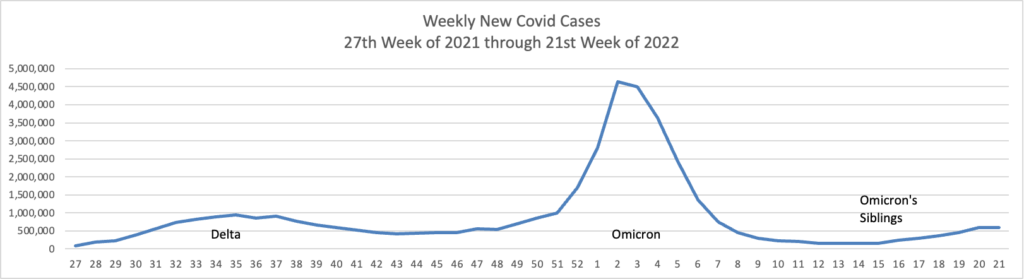
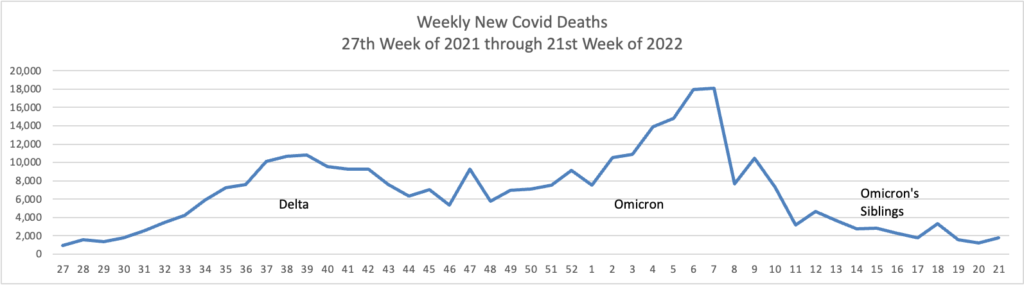
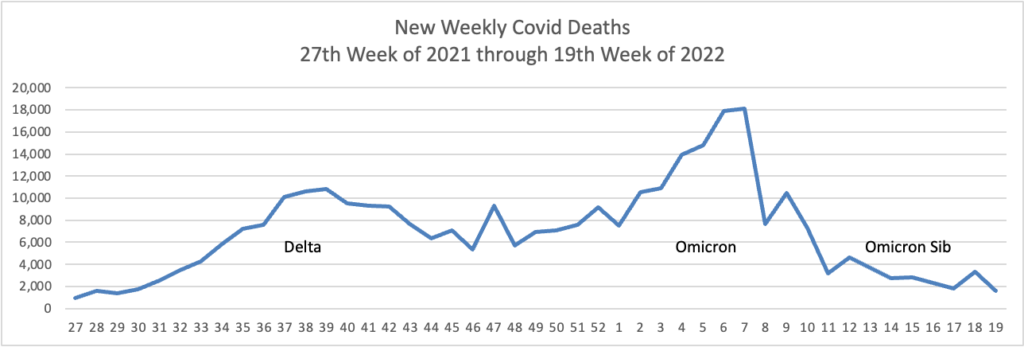
Based on the Centers for Disease Control’s Covid data tracker and using Thursday as the first day of the week, here are the FEHBlog weekly charts of new Covid cases and deaths from the 27th week of 2021 through the 13th week of 2022:

The CDC weekly review of its Covid data adds

Currently, there are 19 (0.59%) counties with a high COVID-19 Community Level, 146 (4.53%) counties with a medium Community Level, and 3,059 (94.88%) counties with a low Community Level. This represents a slight (−0.84%) decrease in the number of high-level counties, a moderate (−2.73%) decrease in the number of medium-level counties, and a corresponding (+3.57%) increase in the number of low-level counties. Twenty-seven (48.21%) of 56 jurisdictions had no high- or medium-level counties this week. To check your COVID-19 community level, visit COVID Data Tracker.

* * *

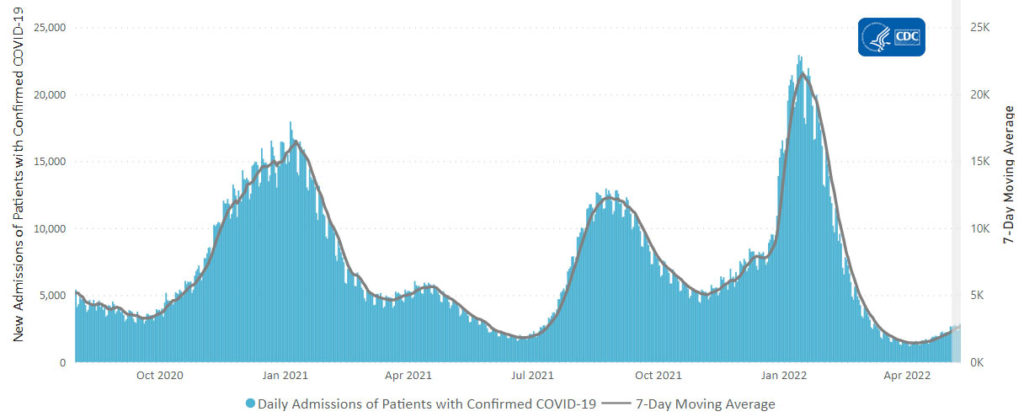
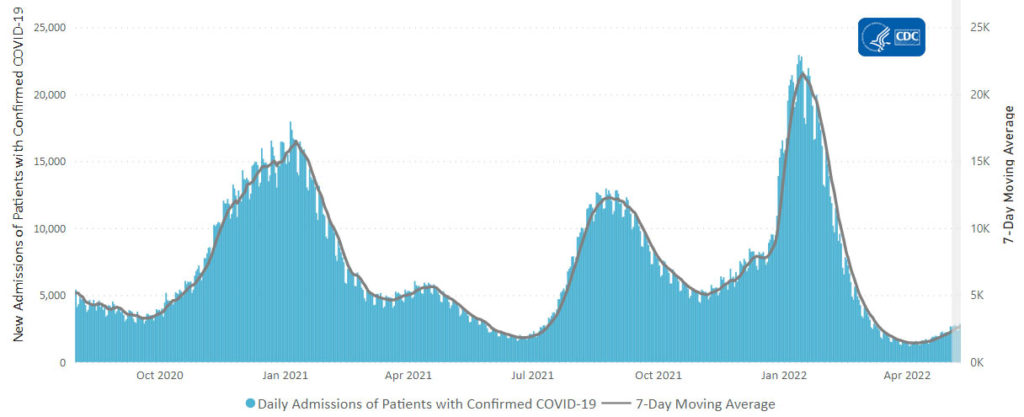
The current 7-day daily average [of new Covid hospital admissions] for March 23–29, 2022, was 1,564. This is a 15.8% decrease from the prior 7-day average (1,858) from March 16–22, 2022. * * *

The current 7-day moving average of new [Covid] deaths (627) has decreased 14.4% compared with the previous 7-day moving average (732).

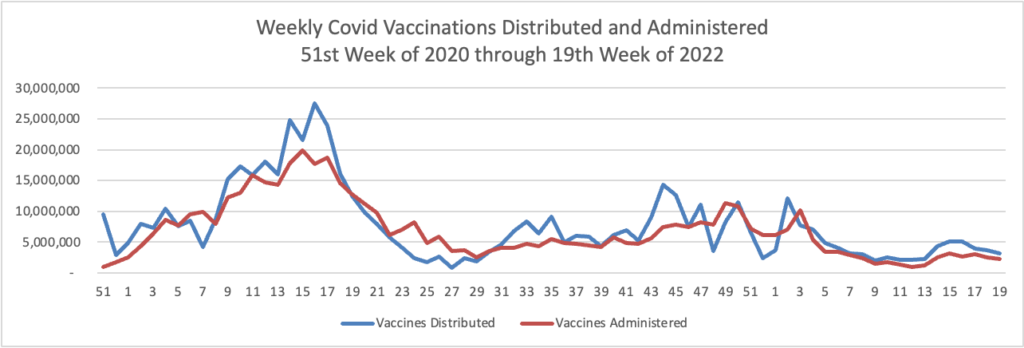
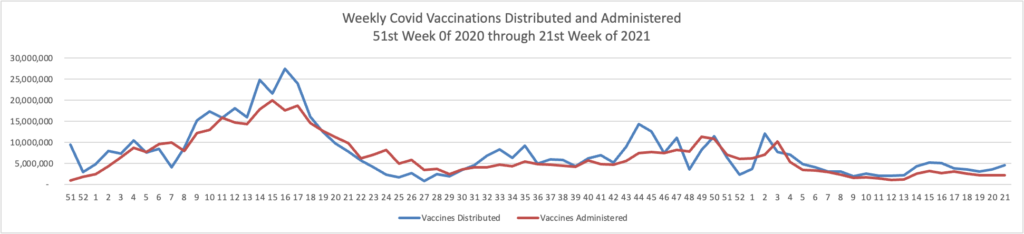
Here’s a link to the FEHBlog’s weekly chart of new Covid vaccinations distributed and administered from the beginning of the Covid vaccination era until last Wednesday.
The CDC’s weekly review notes

As of March 30, 2022, the 7-day average number of adhttps://www.cdc.gov/coronavirus/2019-ncov/covid-data/covidview/index.htmlministered vaccine doses reported (by date of CDC report) to CDC per day was 214,405, a 17.8% increase from the previous week.

CDC’s COVID Data Tracker displays vaccination trends by age group, race/ethnicity, and urban/rural status. To see trends by age group and race/ethnicity, visit the Vaccination Demographic Trends tab. To see trends by urban/rural status, visit the COVID-19 Vaccination Equity tab.

The American Medical Association offers guidance to physicians concerning the FDA’s emergency authorization of a second Covid booster for Americans aged 50 and older.

HR Dive discusses what employers should take away from the Biden Administration’s updated approach to Omicron.

Here’s a link to the CDC’s weekly flu surveillance report or Fluview.

From the “and more” department —

  • HR Dive discusses what employers can do to help employees with adolescent children suffering from behavioral health issues. For example, because a shortage of child psychiatrists exists,

Telemental health programs offer convenient access (often at lower cost than in-person care) for many services—and some, like Brightline, are designed specifically for families of children with mental health needs. However, recent studies have shown that telehealth offerings are not being utilized as much for children as they are for adults, for rural populations as they are for urban ones, or for low-income communities as they are for wealthier ones. Clearly, there is an opportunity for employers to make vulnerable populations aware of the telemental health services available to them. 

  • BioPharma Dive identifies “Five FDA decisions to watch in the second quarter. Between April and June, the agency will advance key regulatory reviews in ALS and gene therapy as well as host an advisory meeting on cancer drugs.”

Thursday Miscellany

Photo by Josh Mills on Unsplash

From Capitol Hill

Roll Call tells us

Senators negotiating a COVID-19 supplemental funding package have an “agreement in principle” to provide roughly $10 billion for the Department of Health and Human Services to stock up on waning domestic supplies for combating the virus, according to Sen. Roy Blunt, R-Mo.

Blunt, the top Republican on the Senate Labor-HHS-Education Appropriations Subcommittee, said both parties have tentatively agreed to offsets for the $10 billion that would repurpose unspent funds from prior pandemic relief laws.

The offsets negotiators agreed to include $2.2 billion from unused grant funds for venues like zoos and theaters and $2 billion in untapped assistance to the aviation and manufacturing industry, Blunt said. His comments to reporters came after a Republican Conference lunch in which lead GOP negotiator Sen. Mitt Romney of Utah briefed his colleagues on the agreement in principle. 

Fierce Healthcare informs us

The House [of Representatives] passed a bill on Thursday that caps the out-of-pocket cost of insulin at $35 a month for beneficiaries in Medicare Part D and for certain group and individual plans.

The Affordable Insulin Now Act, which passed the House via a 232 to 193 vote, comes as work in the Senate continues on a bipartisan alternative that could bring additional changes. * * *

Private plans would also be required to offer first-dollar coverage of insulin without any deductible, according to an analysis from the Congressional Budget Office. 

The cap on cost-sharing for private insurance plans would implement in 2023.

The Hill offers a related article explaining why insulin prices are so “troubling” high.

HR Dive reports

Among the provisions of this month’s $1.5 trillion omnibus spending bill, Congress included a revival of an exemption that allowed high-deductible health plans to cover telehealth before individuals meet their deductible.

The provision was originally created by the Coronavirus Aid, Relief, and Economic Security Act, which sunset at the end of 2021. The provision will resume April 1 but will again sunset at the end of this year.

From the Omicron and siblings front, the Wall Street Journal discusses the state of Covid treatments and offers its advice on who should seek out a second Covid booster besides the immunocompromised.

From the OPM front, Govexec projects OPM’s actions over the next 18 months based on the FY 2022 to FY 2026 strategic plan released last Monday. In short, “Hire, Hire, Hire.”

Govexec also discusses efforts underway by OPM, the Social Security Administration and the Thrift Savings Plan to improve the customer service experience of federal employees and retirees. Good luck with that.

From the research front the National Institutes of Health announced

Scientists have published the first complete, gapless sequence of a human genome, two decades after the Human Genome Project produced the first draft human genome sequence. According to researchers, having a complete, gap-free sequence of the roughly 3 billion bases (or “letters”) in our DNA is critical for understanding the full spectrum of human genomic variation and for understanding the genetic contributions to certain diseases. The work was done by the Telomere to Telomere (T2T) consortium, which included leadership from researchers at the National Human Genome Research Institute (NHGRI), part of the National Institutes of Health; University of California, Santa Cruz; and University of Washington, Seattle. NHGRI was the primary funder of the study.

Analyses of the complete genome sequence will significantly add to our knowledge of chromosomes, including more accurate maps for five chromosome arms, which opens new lines of research. This helps answer basic biology questions about how chromosomes properly segregate and divide. The T2T consortium used the now-complete genome sequence as a reference to discover more than 2 million additional variants in the human genome. These studies provide more accurate information about the genomic variants within 622 medically relevant genes. * * *

The now-complete human genome sequence will be particularly valuable for studies that aim to establish comprehensive views of human genomic variation, or how people’s DNA differs. Such insights are vital for understanding the genetic contributions to certain diseases and for using genome sequence as a routine part of clinical care in the future. Many research groups have already started using a pre-release version of the complete human genome sequence for their research.  

From the mental healthcare front, the American Hospital Association calls our attention to a new GAO report.

Consumers with health coverage experience challenges finding in-network mental health providers, who may not be accepting new patients or have long wait times to see them, according to a new report from the Government Accountability Office. Factors contributing to these challenges include low reimbursement rates for mental health services and inaccurate or out-of-date information on provider networks, GAO said. The report also looks at ongoing and planned federal efforts to address these challenges, for example by increasing the mental health workforce, mental health system capacity and oversight of health plan compliance with mental health parity laws.

This squib caused the FEHBlog to recall a comment that he heard at a conference — Four out of five doctors are in-network but only one out of five mental health providers are in-network with the notable exception of hub and spoke telemental services.

Yesterday the FEHBlog suggested that in return for three free primary care visits and three behavioral health visits, plan members should name and use their in-network primary care provider and primary mental health provider. The FEHBlog is sticking with this idea for the in-network primary care provider but he recognizes the idea may be premature for the in-network primary mental health provider. Of course, creating a looser standard for free mental health care compared to primary care is compliant with the federal health parity rule. The reverse would violate the often fuzzy non-quantitative treatment limitations created by the law.

From the miscellany department —

  • STAT News tells us “With Medicare expected to cover a projected 80 million people by 2030,He entrepreneurs and investors are cashing in on what analysts see as an inevitable shift in health care away from the hospital and into the homes of aging patients.” The publication identifies five related technology trends.
  • Fierce Healthcare reports “Virtual care startup Hims & Hers is teaming up with Carbon Health to offer patients in California with direct access to providers for in-person medical appointments at clinics. The collaboration will provide easy and comprehensive access to a broader range of care options through the Hims & Hers platform, company executives said.”
  • Health Payer Intelligence informs us “Large employers are investing more in their wellness program design in 2022 and their programs revolve around hybrid work environments, job satisfaction, and equity, the Business Group on Health found in a survey.”

Tuesday’s Tidbits

Photo by Patrick Fore on Unsplash

From Capitol Hill, Congress.gov informs us that Congress has sent the Postal Reform Act of 2022 (HR 3076) to the President for his signature.

MedPage Today discusses a Congressional hearing on Medicare for All held today. Democrats (for) and Republicans (against) remain split.

The FEHBlog finds the President’s budget proposal useful for identifying new Administration FEHB priorities, several of which were identified in yesterday’s post. What’s more, FedWeek tells us

[T]he FEHB program would be among programs affected by a broader proposal regarding mental health service coverage in health insurance. It would require coverage of three primary visits and three behavior health visits without cost-sharing.

In the FEHBlog’s opinion, this idea would drive up premiums for no reason because federal and postal employees already are offered employee assistance programs that offer free counseling sessions. OPM needs to do a better job coordinating its various benefit programs.

Fierce Healthcare identifies four other healthcare items from the President’s budget proposal that should be watched.

From the Omicron (and siblings) front —

The Wall Street Journal reports

The Omicron BA.2 variant represents more than half of new Covid-19 cases in the U.S., the latest federal estimates show, as signs suggest infections are edging higher again in parts of the Northeast.

The region has the highest BA.2 concentrations, including more than 70% in an area including New York and New Jersey, according to estimates the Centers for Disease Control and Prevention released Tuesday. BA.2 has been moving steadily higher for more than a month and represents an estimated 55% of national cases in the week ended March 26, the CDC said. * * *

“Predictions are hard, but I am expecting that the U.S. will have a surge in at least some locations,” said Aubree Gordon, an associate professor of epidemiology at the University of Michigan School of Public Health.

AHIP tells us

Today the Food and Drug Administration (FDA) authorized a second single Pfizer-BioNTech or Moderna COVID-19 vaccine booster dose for persons aged 50 and older at least 4 months after receipt of a first booster dose of any authorized or approved COVID-19 vaccine. A second booster dose of the Pfizer-BioNTech COVID-19 vaccine or Moderna COVID-19 vaccine may also be administered to certain immunocompromised individuals, for those 12 years of age and older or 18 years of age and older, respectively, at least 4 months after receipt of a first booster dose of any authorized or approved COVID-19 vaccine.

The FDA previously authorized a single booster dose for certain immunocompromised individuals following completion of a three-dose primary vaccination series. This action will now make a second booster dose of these vaccines available, for a total of five vaccine doses authorized for populations at higher risk for severe disease, hospitalization and death. Emerging evidence suggests that a second booster dose of an mRNA COVID-19 vaccine improves protection against severe COVID-19 and is not associated with new safety concerns. * * *

This authorization still requires the Centers for Disease Control and Prevention (CDC) Advisory Committee on Immunization Practices (ACIP) to formally recommend the vaccine for the specific populations.  No date for an ACIP meeting has yet been announced.

Health plans are not required to reimburse these authorized vaccines until ACIP makes its decision.

From the healthcare business front —

Healthcare Dive reports

Hospitals’ operating margins were negative in February for the second consecutive month even as cases of the omicron variant waned, according to Kaufman Hall’s National Hospital Flash report. Negative margins in January were the first seen in 11 months.

The median Kaufman Hall Operating Margin Index was -3.45%, up from -4.25% in January but still well below levels hospitals can sustain, the report said.

Volumes for inpatient services fell while outpatient volumes staggered with revenues in those categories falling 19.3% and 5%, respectively, from January, according to the report.

Healthcare Finance News reports

UnitedHealth Group subsidiary Optum will combine with in-home healthcare service provider LHC Group, with UHG purchasing the latter for about $5.4 billion.

LHC provides healthcare services in the home for a demographic of mostly older patients dealing with chronic illnesses and injuries. It will be melded with Optum, which manages drug benefits and offers data analytics services and works with more than 100 health plans.

From the tidbits department —

  • The CDC has posted a new, improved anti-biotic resistance website. The CDC explains that the site is “refreshed to better engage and share information on antibiotic resistance (AR) in the United States and around the world. We all have a role to play—from travelers, animal owners, and care givers to patients and healthcare providers—to fight this deadly threat and now you can quickly access CDC’s latest resources.”
  • MedPage Today reports “Prediabetes prevalence nearly doubled among U.S. youth from 1999 to 2018, national data indicated. According to National Health and Nutrition Examination Survey (NHANES) data on over 6,500 youth, the prevalence of prediabetes increased from 11.6% in 1999-2002 to 28.2% in 2015-2018, Junxiu Liu, PhD, of Icahn School of Medicine at Mount Sinai in New York City, and colleagues reported in JAMA Pediatrics.” Obesity is a common thread.
  • The Endocrinology Network informs us “Participation in a tele-mentoring program led by Robert Wood Johnson Medical School was associated with a 44% decrease in inpatient admissions and a more than 60% decrease in inpatient spending among Medicaid patients with diabetes.” Bravo.
  • The International Foundation of Employee Benefit Plans discusses evaluating high cost gene therapy financing programs.

Weekend Update

Photo by Thought Catalog on Unsplash

The House of Representatives and the Senate will be in session for Committee business and floor voting on Capitol Hill this week.

The President will send his fiscal year 2023 federal budget to Capitol Hill tomorrow. The Wall Street Journal offers an explanatory article about this process.

From the federal employment front, Federal News Network discusses the progress of recalling federal employees to their offices.

Also, the FEHBlog noticed that the Federal Times offers a 2022 Federal Benefits Guide — “Answers to commonly asked questions from federal employees, helpful resources, and more.”

From the vaccines front —

  • Precision Vaccines informs us “After decades of false starts, new research indicates four Respiratory Syncytial Virus (RSV) vaccine candidates are nearing the completion of late-stage trials. According to the U.S. CDC, RSV vaccines could drastically reduce hospital and intensive-care admissions for young children and seniors.” Fingers crossed.

[T]here is now a growing body of research that’s offering at least some reassurance for those who do end up getting infected — being fully vaccinated seems to substantially cut the risk of later developing the persistent symptoms that characterize long COVID.

While many of the findings are still preliminary, the handful of studies that have emerged in the past half year are telling a relatively consistent story.

“It may not eradicate the symptoms of long COVID, but the protective effect seems to be very strong,” says epidemiology professor Michael Edelstein, of Bar-Ilan University in Israel, who’s studying long COVID.

From the mental healthcare front —

  • The Wall Street Journal reports “Telemedicine startups make it easier to get ADHD Drugs. That made some [startup] workers anxious. Digital companies such as Cerebral and Done seized on looser pandemic rules for prescribing ADHD drugs like Adderall. Some workers said they felt pressure to provide the medications.”
  • Health Payer Intelligence points out

Employee mental healthcare spending rose, and employer mental healthcare spending fell after employers transitioned their workers from preferred provider organizations to high deductible health plans, a study from the Employee Benefit Research Institute (EBRI) found.

The researchers focused on individuals who had been diagnosed with one of three specific mental health conditions to assess the impact of transitioning from a preferred provider organization to a high-deductible health plan: anxiety, attention deficit hyperactive disorder (ADHD), and major depressive disorder (depression).

The study received funding from a handful of organizations, including the Blue Cross Blue Shield Association, the Independent Colleges and Universities Benefits Association (ICUBA), Pfizer, and PhRMA.

[T]he researchers indicated that high deductible health plans could be improved if employers apply value-based care to their high deductible health plan benefit design.

“Smarter deductibles accommodating services preventing the exacerbation of chronic conditions might be a natural evolution of health plans,” the study concluded. “Interventions that improve patient-centered outcomes while maintaining affordability may be found in the form of a clinically nuanced health plan that better meets workers’ clinical and financial needs.”

Because it remains National Kidney Month, the FEHBlog wishes to draw attention to this Fierce Healthcare article about how CVS Health offers personalized kidney care for health plan members.

CVS Kidney Care aims to provide an end-to-end experience to manage kidney care in the long term before it reaches chronic kidney disease or end-stage renal disease. It takes a home-first approach to its care model and is currently co-developing a hemodialysis device that is built specifically with home care in mind.

The device is co-developed by Deka Research & Development and is currently in clinical trials. [CVS Kidney Care President Lisa] Rometty said CVS expects to complete the trial by the end of this year, with anticipated approval and launch sometime in 2023.

CVS chose to get involved in developing the tool, she said, because the company saw an unmet need in the market for a device that’s built from the ground up for in-home dialysis rather than adapted to it. Existing tools are not designed to be easy for a senior patient to understand, for example, Rometty said.

“We did it because we really felt strongly at the time that there wasn’t at the time a device that would meet the unique experience and ease of use and also the safety and clinical aspects,” Rometty said.

Friday Stats and More

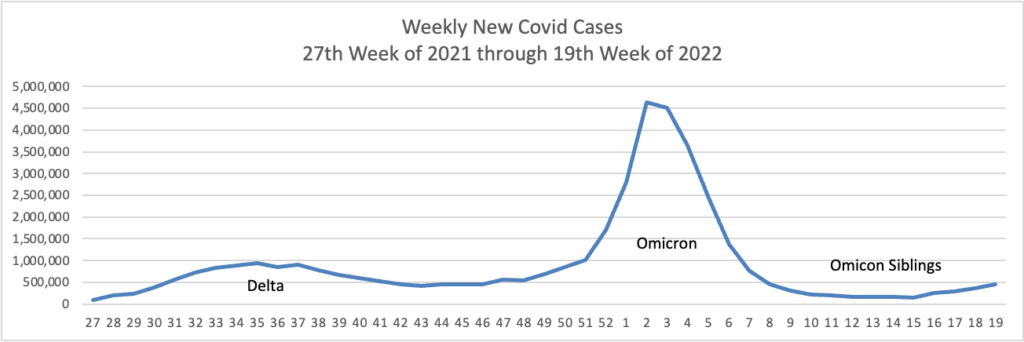
Based on the Centers for Disease Control’s Covid Data Tracker and using Thursday as the first day of the week, here is the FEHBlog’s weekly chart of new Covid cases from the 27th week of 2021 through the 12th week of 2022:

In the current CDC Covid Data Weekly Tracker, the CDC explains

In February, CDC’s COVID Data Tracker released a Wastewater Surveillance tab, which tracks changes and detections of SARS-CoV-2 viral RNA levels at more than 600 testing sites across the country. Because many people with COVID-19 shed the virus in their feces, wastewater testing can help us monitor COVID-19 in communities. Virus levels in wastewater usually increase four to six days before clinical cases increase, so surveillance results can help communities act quickly to prevent the spread of COVID-19.

Currently, virus levels in wastewater are relatively low across the country. More than half of all sites reporting wastewater data are experiencing a decrease in SARS-CoV-2 levels, but some have reported a modest uptick. These upticks may reflect minor increases from very low levels to levels that are still low. It’s important to note that even a small increase when levels are very low can appear like a dramatic increase in the percent change. However, there is a possibility that some communities might start to see an increase in COVID-19 cases. This could happen for a variety of reasons, like waning immunity, new circulating strains, and eased prevention strategies.

Right now, it’s too early to know if we’ll see a corresponding increase in reported cases across the country. Wastewater data are meant to be used with other COVID-19 surveillance data. CDC encourages local public health officials to watch for sustained increasing levels of the virus in wastewater, and to use wastewater surveillance data with other kinds of data to inform their decisions. CDC continues to encourage people to use COVID-19 Community Levels to find out what actions they should take to protect themselves and others. The whole community can be safe only when we all take steps to protect each other.

Using the same approach, here is the FEHBlog’s latest weekly chart of Covid deaths:

Precision Vaccinations adds that

[T]he 2022 trend data from the CDC indicates pneumonia may soon overtake COVID-19 as the leading cause of respiratory death in the U.S.

Historically, the CDC reported the number of visits to emergency departments with pneumonia as the primary diagnosis averaged about 1.5 million, which led to 47,000 deaths annually.

The good news is pneumonia is a vaccine-preventable disease.

Unfortunately, the percentage of adults who had ever received a pneumococcal vaccination was 25.5% in 2020.

Increasing the pneumococcal vaccination rate is a worthy goal for health plans and primary care providers.

Here’s is the FEHBlog’s weekly chart of Covid vaccinations distributed and administered in the Covid vaccination era:

While recent vaccinations numbers are nothing to crow about, over 75% of Americans age 18 and older are fully vaccinated. Nearly half of the same population and over two-thirds of Americans age 65 and older have received a booster.

Politico adds

The Biden administration could authorize a second Covid-19 booster shot for older Americans within weeks, amid rising concern over a potential resurgence of cases, four people with knowledge of the matter told POLITICO.

The move under consideration by senior health officials would recommend the additional vaccine dose for adults 65 and older, in an effort to better protect high-risk people and stave off a wave of hospitalizations should infections climb rapidly as a result of the spread of the Omicron subvariant, BA.2. Currently, second boosters are only recommended for those with compromised immune systems.

From the No Surprises Act front, last Monday, Federal District Judge Richard Leon heard oral argument on dispositive cross-motions submitted by medical associations and the federal government regulators concerning the status of the qualifying payment amount in the baseball arbitration process. The FEHBlog has heard from a couple of sources who attended the hearing that Judge Leon indicated that he does not plan to put deciding the case on his front burner because the federal regulators advised him about their intent to issue the final, final rule on the Independent Dispute Review process in May 2022. The case is pending in the U.S. District Court for the District of Columbia.

From the telehealth front, mHealth Intelligence informs us

More than two-thirds of telehealth providers said they use audio-only modalities to offer telehealth services, according to a recent survey conducted by the American Medical Association.

The survey polled 2,232 physicians between Nov. 1 and Dec. 31, 2021.

The popularity of telehealth among physicians is apparent, with 85 percent saying they still use it. But 52 percent agreed that their telehealth usage has decreased since they first started offering the services. The top reason for the decrease was that they moved to a hybrid model of care with both in-person and virtual care services.

From the healthcare business front —

Fierce Healthcare reports

Optum has quietly acquired Refresh Mental Health from private equity firm Kelso & Company, Axios reported Thursday.

The company confirmed the deal in a statement to the outlet. The acquisition has not been announced publicly as of yet.

“Optum and Refresh Mental Health are excited to expand effective behavioral care to patients through a more coordinated health system,” the company said in a statement to Axios. * * *

Refresh was founded in 2017 and provides outpatient mental and behavioral health services. It runs 300 locations across 37 states that offer a variety of services including psychiatry and substance abuse treatment.

and

Bicycle Health, a virtual provider for opioid use disorder, is partnering with five additional payers, it said in an announcement provided exclusively to Fierce Healthcare.

The partnerships are with Molina Healthcare and McLaren Health Plans in Michigan, UHC Community Plan in Arizona, Health First Colorado (the state’s Medicaid program) and Blue Cross Blue Shield Texas. In total, these payer partnerships have the potential to reach more than 8 million patients, the company said. Coverage will include medication management, behavioral health (individual or group psychotherapy, medical care), support groups and care coordination.

“From high costs to significant time commitments, many traditional OUD recovery programs just aren’t realistic options for the vast majority of patient experiences,” Bicycle Health CEO and founder Ankit Gupta said in a statement. “We are committed to making science-based, holistic OUD treatment accessible to all who need it—and these partnerships are an exciting step towards that goal.”

Tuesday’s Tidbits

Photo by Patrick Fore on Unsplash

From the government employment front,

Performance.gov informs us that OPM Director Kiran Ahuja is one of three Leads on implementing Priority One of the President’s Management Agenda — “Strengthen and Empower the Federal Workforce.” Good luck, Director Ahuja.

FedSmith identifies “ten steps federal employees should take at least a decade before retiring to ensure they are prepared to head into their golden years.”

Step 2 of 10 is “Enroll or Stay in FEHB.”

If you plan to continue your federal health benefits in retirement, you must be entitled to retire on an immediate annuity and:

be enrolled for the 5 years immediately before retiring or, during all your federal employment since your first opportunity to enroll if less than 5 years.

Coverage under FEHB, Tricare, or the Civilian Health and Medical Program of Uniformed Services (CHAMPUS) all count toward the 5 year requirement.

In yesterday’s post, the FEHBlog pointed out a Fierce Healthcare interview with the CEO of dialysis heavyweight, Davita. Today, Fierce Healthcare reports

Three big players in kidney care—Fresenius Health Partners, Cricket Health, and InterWell Health—plan to form a new value-based care company focused on services for the earlier stages of kidney disease.

The deal, announced Monday morning, will create a company valued at $2.4 billion, according to the companies.

The merger brings together expertise in value-based kidney care contracting of Fresenius Health Partners, a division of Fresenius Medical Care North America, InterWell Health’s network of more than 1,600 nephrologists and startup Cricket Health’s technology-enabled care model and patient engagement platform. Fresenius Medical Care is the world’s largest operator of dialysis centers.

Healthcare Dive delves into the case for hybrid care models, meaning the marriage of hospital systems and telehealth vendors.

Though the pandemic greatly accelerated the use of telehealth, use of pure-play virtual care has waned as COVID-19 cases drop off across the U.S. But telehealth is increasingly being woven into hospitals’ digital roadmaps, and some are even upping their investments in the modality despite moderating visits, experts said at the annual HIMSS healthcare conference.

That’s giving hope to proponents of hybrid care models, who point to the value of meeting patients where they are to lower costs and improve outcomes.

Intriguing.

Health Payer Intelligence reports

The National Committee for Quality Assurance (NCQA) has awarded [health insurer] Centene the Innovation Award for Health Equity for the company’s Health Equity Improvement model.

“Advancing health equity has a real and positive impact on the health of our members across the country,” said Sarah Bezeredi, senior vice president and chief quality officer for Centene. * * *

At its core, the model uses qualitative and quantitative data to target certain health equity gaps. Centene engaged communities and activated community coalitions in order to empower its strategy. The company’s approach included carefully selecting leaders who would help create and promote the model as well as soliciting community feedback.

In Arizona, Centene sent HbA1c at-home testing kits, which became a common method of chronic disease prevention during the pandemic. The kits were outfitted with a range of delivery modalities to cover the spectrum of members’ needs. Members also received telehealth and telemonitoring tools. The payer incentivized compliance with certain diabetes care measures.

The model tackled patient education in addition to delivering access to care interventions. Centene mailed qualifying members resources about the HbA1c test and comprehensive diabetes care measures.

The payer tracked progress using its Health Equity Dashboard, which leverages HEDIS data and other social determinants of health and demographic data to assess care disparities.

“By using a data-driven process, we are identifying disparity reduction opportunities and tracking performance and success year-over-year,” Bezeredi added. 

Mazaal Tov, Centene.

Friday Stats and More

Based on the Centers for Disease Control’s Covid Data Tracker and using Thursday as the first day of the week, here is the FEHBlog’s latest weekly charts of new Covid cases and deaths (a lagging indicator):

The CDC observes in its weekly review of its Covid statistics

COVID-19 caseshospitalizations, and deaths all continue to decrease in the United States. According to CDC’s COVID Data Tracker, as of March 16, 2022, 76.7% of the total U.S. population has received at least one dose of a COVID-19 vaccine, and 65.3% has completed their primary series. However, only about half of the booster-eligible population has received a booster dose and is considered up to date on their COVID-19 vaccines.

Two new studies show the effectiveness of COVID-19 vaccines and boosters across periods of three variants of concern (Alpha, Delta, and Omicron). CDC released a study today showing that, among adults hospitalized with COVID-19 during the Delta and Omicron waves, those who received two or three doses of the Pfizer-BioNTech or Moderna vaccine had 90–95% less risk of dying or needing a ventilator compared with adults who were not vaccinated. Protection was highest in adults who received a third COVID-19 vaccine dose. A study published in the British Medical Journalexternal icon found that vaccines gave a high level of protection against hospitalization for all variants, but not as much for Omicron among adults who received only a primary series. However, boosters increased protection against Omicron. The study also showed that hospital patients who were vaccinated had much lower disease severity than patients who were not vaccinated.

These studies emphasize the importance of staying up to date with vaccinations—they are our best protection against severe COVID-19 illness. Vaccination is also the safest way to reduce the chance that new variants will emerge. Find a vaccine provider and get your booster dose as soon as you can.

In that regard, here is the FEHBlog weekly chart of Covid vaccinations distributed and administered from the beginning of the vaccination era in late 2020:

Here’s a link to the Food and Drug Administration’s March 18 round of its Covid related activities.

While the bulk of Covid care spending goes to hospitals, Becker’s Hospital Review reports that a “sizable minority” have a significant amount out-of-pocket spending for this care, according to a study published in the American Journal of Managed Care March 16.”

It’s worth adding that the Wall Street Journal reports that

The biggest credit-reporting firms will strip tens of billions of dollars in medical debt from consumers’ credit reports, erasing a black mark that makes it harder for millions of Americans to borrow.

Equifax Inc.,  Experian  PLC and TransUnion are making broad changes to how they report medical debt beginning this summer. The changes, which have been in the works for several months, will remove nearly 70% of medical debt in collections accounts from credit reports.

Beginning in July, the companies will remove medical debt that was paid after it was sent to collections. These debts can stick around on a consumer’s credit report for up to seven years, even if they are paid off. New unpaid medical debts won’t get added to credit reports for a full year after being sent to collections.

The firms are also planning to remove unpaid medical debts of less than $500 in the first half of next year. That threshold could rise, according to people familiar with the matter.

From the compliance front —

  • The Internal Revenue Services issued a notice on how to calculate the No Surprises Act’s Qualified Payment Amount when the health plan does not have enough data to calculate a January 2019 median.
  • The Department of Labor is offering a webinar on March 30 at 11 am that “will help employers, service providers, and benefit professionals understand how the provisions of [the federal mental health partity act] apply to employer-sponsored group health plans and provide information on how to avoid common problems. The webinar runs about 45 minutes to an hour and is limited to 200 participants.

From this week’s healthcare conferences front

  • Fierce Healthcare discusses the electronic medical records interoperability theme of the HIMSS conference.
  • Fierce Healthcare also offers a wrap report on “the most interesting innovations at SXSW 2022: From holograms to the future of psychedelics.”

From the telehealth front

  • Becker’s Payer Issues reports that most consumer driven plans have taken advantage of the IRS offered flexibility to cover telehealth before the “high” annnual deductible.
  • Forbes informs us “Telehealth Accounts For One In Three Mental Health Visits Two Years Into Pandemic.” Whoopee.

From the good works department, the American Medical Association tells us about a North Carolina physician who is talking the diabetes problem.

Dr. [Brian] Klausner is the medical director of WakeMed’s Community Population Health program in Raleigh. He also is a physician champion for DiabetesFreeNC. That is the statewide initiative where AMA partnered with the North Carolina Medical Society and others to support collaborative efforts to end type 2 diabetes in the Tar Heel State.  

Rather than think of the pandemic as having “derailed” diabetes prevention or other population health efforts, Dr. Klausner said that “COVID-19 expedited new perspective in how we can do a better job addressing historic roadblocks to community health initiatives, including those related to diabetes and prevention.”