Thursday Miscellany

Thursday Miscellany

Photo by Josh Mills on Unsplash

From the Omicron and siblings’ front —

MedPage Today reports “Second COVID booster shot boosted antibodies in Seniors — but small Israeli study did not determine how quickly response will wane.”

Becker’s Hospital Reviews tells us

At least 18 cases of the newest omicron subvariant BA.2.75 have been confirmed in seven U.S. states as of July 20, early disease surveillance data shows. 

Globally, researchers have identified 201 cases in more than a dozen countries as of July 12, according to data from outbreak.info, a platform that tracks data on coronavirus variants and is supported by the CDC and other national research groups. 

The subvariant has a large number of mutations that may make it more adept than BA.5 — the nation’s current dominant strain — at spreading quickly and evading immune protection. Experts say it’s still unclear whether BA.2.75 will compete against BA.5 or cause more severe illness, according to CNN.

This leads us to the Wall Street Journal’s editorial board comments

The President’s [Omicron] infection [disclosed today] demonstrates how hard it is to avoid the new and highly transmissible Covid variants. The White House has gone to great lengths to protect Mr. Biden, but there’s only so much staff can do if the President is going to do his job. 

Despite continuing pleas from the White House and public-health elite, vaccination by now provides little protection against transmission. * * * The evidence is that the vaccines do reduce the chances of getting serious Covid and being hospitalized, though many elderly patients who have been vaccinated are still dying from the virus.

While this quote is an opinion, not a news report, it struck a chord with the FEHBlog. The FEHBlog wishes the President a speedy recovery.

From the unusual viruses front, the Department of Health and Human Services offers a fact sheet on its response to the monkeypox outbreak.

In mergers and acquisitions news, Healthcare Dive informs us

Amazon has agreed to acquire primary care network One Medical for $18 a share, valuing the company at $3.9 billion.

The all-cash deal for San Francisco-based One Medical comes after months of speculation about a potential acquisition, reportedly drawing interest from companies including CVS Health, according to Bloomberg.

Analysts said a potential buyout for One Medical, which has grown rapidly since it was founded in 2007, could come at a significant premium. Amazon’s price of $18 a share represents a premium of 43% over its closing price of $10.18 a share on Wednesday.

STAT News explains why Amazon pursued adding One Medical to its healthcare portfolio.

With One Medical, Amazon is also tapping deeper into the vein of health care’s payment system. One Medical gets paid through two main avenues: commercial health insurers and Medicare. The Medicare side came from Iora, which One Medical bought for $1.4 billion last year.

Commercially insured patients, or those who get coverage through their jobs, are by far the most profitable within health care and overlap with a large chunk of Amazon’s subscription base. Even though One Medical focuses on less expensive primary care, there’s evidence One Medical charges some of the highest rates for those routine office visits and services, and that’s largely assisted by One Medical’s hospital partners.

Hospitals pay fixed sums to One Medical to care for patients, but they also “extend their health insurance contracts” to One Medical, the company said when it went public in 2020. The result: Hospitals that ink deals with One Medical get the most profitable patients in their market referred to them for more intensive services, and One Medical gets to piggyback off the lucrative payments that those dominant hospitals wring out of insurers.

STAT News concludes

Amazon’s success — and how disruptive it might prove to be to telehealth competitors — will depend in part on how well it integrates One Medical into its existing in-person and virtual offerings through Amazon Care. Analysts said that will become clear over the next year.

Whether it does draw patients away from traditional health care providers depends on their partnership with payers and their fees, said Aaron Neinstein, vice president of digital health for UCSF Health. “There’s no question that the One Medical annual fee is out of reach for most people in the U.S. Might Amazon change that or bundle it with Prime? Who knows.”F

Health Leaders Media reports that, notwithstanding the Federal Trade Commission’s nascent efforts,

Hospital and health system mergers and acquisitions in Q2 of 2022 have returned to trendlines that Kaufman Hall has been following since the beginning of the pandemic, the consulting firm said in its recently released M&A quarterly report.

During the second quarter of 2022, there were 13 hospital and health system M&A transactions, on-trend and only one transaction less than the 14 transactions reached in Q2 of 2021 and 2020. However, the total transacted revenue in the second quarter reached a “historic high” of $19.2 billion, more than doubling the $8.5 billion transacted revenue in the same quarter in 2021.

From the reports department and via Axios, the FEHBlog ran across this comprehensive McKinsey and Company report on the future of U.S. healthcare: what’s next for the industry post-Covid. Check it out.

From the Rx coverage front, DrugChannels calls our attention to this Amgen preview of 2022 trends in the biosimilars market. Adam Fein observes

As I predicted two years ago, the biosimilar boom is finally here. Prices are dropping while adoption accelerates. Prices are now declining by 9% to 22% annually. For therapeutic areas with biosimilars launched in the last three years, biosimilars’ market share averages 74%.  See Amgen slides 8 and 9.

Before the boom began, Dr. Scott Gottlieb, a former FDA commissioner, argued that we shouldn’t give up on biosimilars and prematurely regulate prices. As we can now see, Dr. Gottlieb was right. #NoTowel

From the SDOH front, Health Payer Intelligence explains

Race and ethnicity data collection is complex, but there are steps that health insurers—and the healthcare industry at large—can take to improve the process, according to a report from Urban Institute funded by Elevance Health (formerly Anthem).

From the miscellany department

  • Fierce Healthcare discusses a recent Fitch report on non-profit hospitals.

Labor, supply and capital cost increases have been rampant across the industry this year thanks to broader inflation pressures and other pandemic factors, the ratings agency wrote.

Reversing the margin trends will likely require nonprofit hospitals to take on a combination of rate hikes in the short term, “relentless” cost-cutting and productivity initiatives for the medium term and “transformational changes to the business model” for the long term, Fitch wrote.

Fortunately for those hospitals, many organizations already have the means to weather the storm as they overhaul their operations.

“The vast majority of our rated credits have strong balance sheets that will offset lower margins for a period of time and allow for operational improvements,” Fitch wrote. “Without more substantial changes to the current business model, or with additional coronavirus surges this fall or winter, this balance sheet cushion could eventually erode.”

Rate negotiations with payers will likely be an upward battle, the group wrote.

  • Healthcare Forefront points out the value of underutilized fentanyl test strips

Fentanyl test strips (FTS) are a simple, inexpensive, and evidence-based method of averting drug overdose. FTS are small strips of paper that can detect the presence of fentanyl in any drug batch—pills, powder, or injectables. This tool might be lifesaving for the teenager experimenting for the first time, the individual in the throes of a severe opioid use disorder, the concert-goer looking for a trip, the person using a preferred substance obtained from a new source, or the individual years into recovery. FTS also support the dignity and well-being of people who use drugs (PWUD), enabling them to make educated decisions about their safety.

And yet after years of press and discussions of the strips’ utility, FTS aren’t as widely available as one would expect them to be. It is time to take a more critical look at the importance of destigmatizing this tool and increasing its distribution and availability, while highlighting the grave risks in not doing so.

  • HealthDay gives us some good news.

U.S. hospitals became much safer places for patients over the past decade, with medical errors and adverse events declining significantly across the nation, federal government data show.

Between 2010 and 2019, patient safety dramatically improved among the four types of conditions for which people are most often hospitalized: heart attacks, heart failure, pneumonia and major surgical procedures.

“There has been a precipitous, very important drop in the number of these events, which to me validates the idea that these were preventable,” said senior researcher Dr. Harlan Krumholz, director of the Yale New Haven Hospital Center for Outcomes Research and Education in New Haven, Conn. “The status quo wasn’t written in stone. We have been able to actually make hospitals safer for those conditions.”

The new study relied on data gathered by the Medicare Patient Safety Monitoring Program, an effort created in the wake of a landmark 1999 Institute of Medicine report that drew national attention to patient safety in hospitals, the study authors said in background notes.

  • Fedweek reviews the steps that federal employees should take to position themselves for retirement.

Friday Stats and More

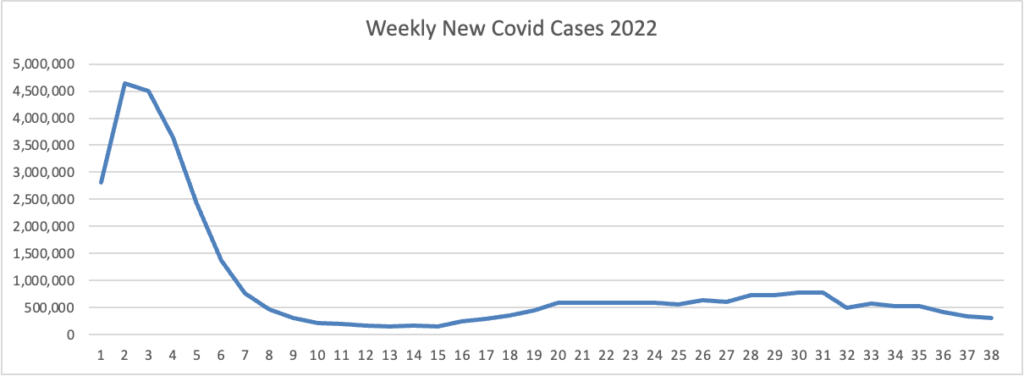
Based on the CDC’s Covid Data Tracker and using Thursday as the first day of the week, here is the FEHBlog’s weekly chart of new Covid cases for this year:

The CDC’s weekly review of its Covid statistics adds

As of July 13, 2022, the current 7-day moving average of daily new cases (124,048) increased 15.7% compared with the previous 7-day moving average (107,174).

CDC Nowcast projections* for the week ending July 9, 2022, estimate that the combined national proportion of lineages designated as Omicron will continue to be 100% with the predominant Omicron lineage being BA.5, projected at 65.0% (95% PI 62.2-67.7%).

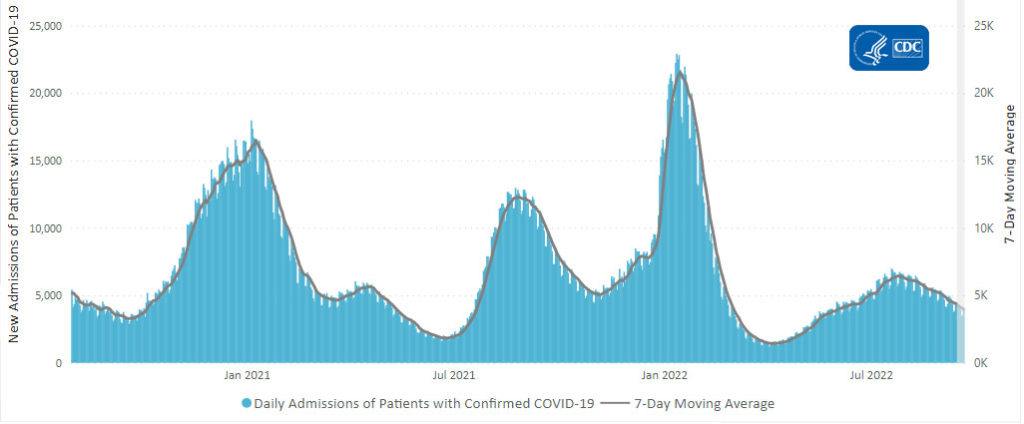
Here is the CDC’s chart of daily trends in new Covid hospital admissions:

The CDC’s weekly review adds “The current 7-day daily average for July 6–12, 2022, was 5,851. This is a 14.4% increase from the prior 7-day average (5,115) from June 29–July 5, 2022.”

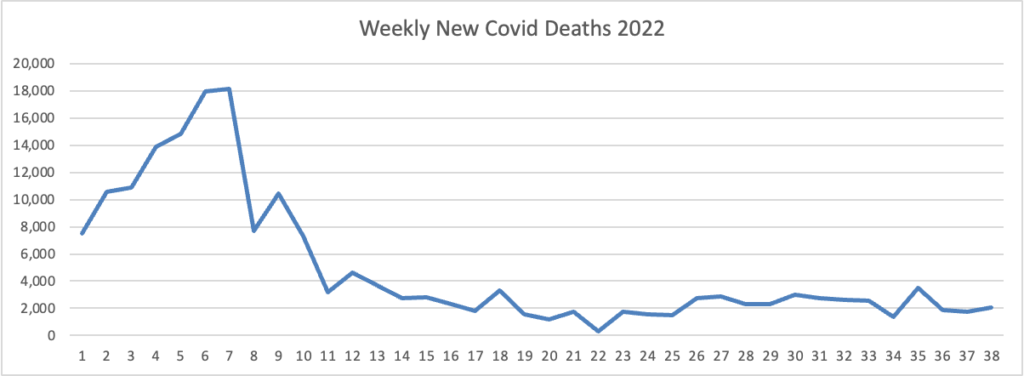
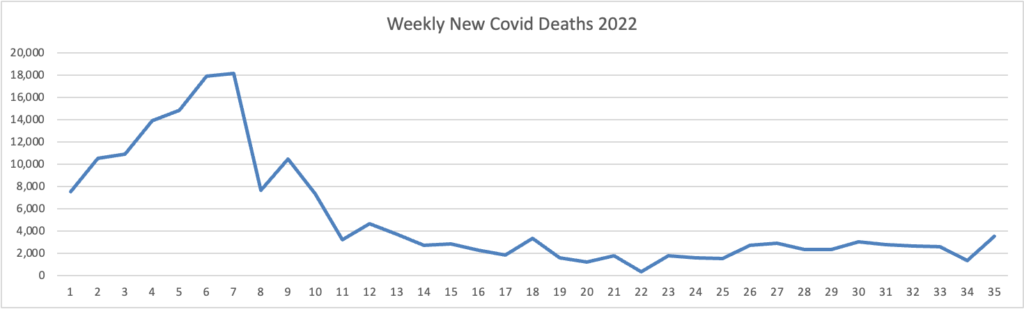
Here’s the FEHBlog’s weekly chart of new Covid deaths for 2022: “The current 7-day moving average of new deaths (352) has increased 12.6% compared with the previous 7-day moving average (312).”

Here’s the FEHBlog’s weekly chart of Covid vaccinations distributed and administered:

The CDC’s weekly review adds

Overall, about 260.7 million people, or 78.5% of the total U.S. population, have received at least one dose of vaccine. About 222.7 million people, or 67.1% of the total U.S. population, have been fully vaccinated.* Of those fully vaccinated, about 107.0 million people have received a booster dose,** but 50.2% of the total booster-eligible population has not yet received a booster dose. Here’s another visual breakdown, this time from the CDC

The CDC’s weekly review summarizes the situation as follows:

As of July 14, 2022, there are 1,141 (35.4%) counties, districts, or territories with a high COVID-19 Community Level, 1,275 (39.6%) counties with a medium Community Level, and 804 (25.0%) counties with a low Community Level. Compared with last week, this represents an increase (+14.8 percentage points) in the number of high-level counties, an increase (+1.8 percentage points) in the number of medium-level counties, and a corresponding decrease (−16.4 percentage points) in the number of low-level counties. 50 out of 52 jurisdictions* had high- or medium-level counties this week. Rhode Island and Maine are the only jurisdictions to have all counties at low Community Levels.

To check your COVID-19 Community Level, visit COVID Data Tracker. To learn which prevention measures are recommended based on your COVID-19 Community Level, visit COVID-19 Community Level and COVID-19 Prevention.

The American Hospital Association informs us “The Department of Health and Human Services today renewed the COVID-19 public health emergency declaration for another 90 days. The AHA and other national health care organizations have urged HHS to maintain the public health emergency until it’s clear that the global pandemic has receded and the capabilities authorized by the PHE are no longer necessary.” In that event, the Covid PHE may never end. Here’s the rub :

[T]he additional 6.2% in Federal Medical Assistance Percentage funding for the state Medicaid programs, designated in the Families First Coronavirus Relief Act, is tied to the length of the PHE and the continuous coverage requirement has been essential in helping provide health care coverage to vulnerable populations during the economic downturn.

KFF provides context “After declines in enrollment from 2017 through 2019, preliminary data for March 2022 show that total Medicaid/CHIP enrollment grew to 87.9 million, an increase of 16.7 million from enrollment in February 2020 (23.4%), right before the pandemic and when enrollment began to steadily increase.”

The FEHBlog is not suggesting cutting back Medicaid. The FEHBlog is suggested that Congress decouple these important actions from the PHE period.

From the Medicare front, the American Hospital Association informs us

The Centers for Medicare & Medicaid Services late today issued a proposed rule that would increase Medicare hospital outpatient prospective payment system rates by a net 2.7% in calendar year 2023 compared to 2022.

In a statement shared with the media, AHA Executive Vice President Stacey Hughes said, “We are deeply concerned about CMS’ proposed payment update of only 2.7%, given the extraordinary inflationary environment and continued labor and supply cost pressures hospitals and health systems face … A much higher update is warranted, and we will be closely analyzing CMS’ proposed market basket, as well as its proposed productivity offset.”

From the Rx coverage front, Healthcare Dive informs us

UnitedHealth plans to offer some medicines at zero cost share to eligible members in 2023, including insulin and other emergency-use drugs, in a bid to address inflationary pressures and keep patients out of the emergency room, CEO Andrew Witty announced.

The offering from the Minnetonka, Minnesota-based company, which operates the largest private payer in the U.S., applies to UnitedHealth’s standard insured group plans. But the larger cost containment of drugs must come from pharmaceutical manufacturers lowering prices, Witty told investors during UnitedHealth’s second-quarter earnings call on Friday.

UnitedHealth beat Wall Street expectations for earnings and revenue in the quarter with revenue of $80.3 billion, up 13% year over year. Profit of $5.2 billion was up 19% year over year. UnitedHealth increased its full-year earnings expectations on the results.

Fierce Healthcare adds

With new competitors closing in, UnitedHealth is bolstering its defenses by purchasing Genoa Healthcare, the fifth-largest pharmacy chain in the country with 435 locations. Genoa—which also offers telepsychiatry services and medication management for behavioral health patients—will be absorbed by UnitedHealth’s pharmacy benefit manager OptumRx. According to its website, Genoa fills more than 15 million prescriptions each year and serves more than 650,000 customers.

From the telehealth front, OPM’s chief medical officer Dr. Ron Kline issued a newsletter to FEHB carriers on the topic of telehealth.

From the transparency front, Fierce Healthcare tells us

Major health insurers have released massive reams of data detailing their in- and out-of-network rates to comply with a new rule.

Now, experts are sifting through those data to identify trends that could affect contract negotiations with providers.

“So far so good, if you will, on compliance,” said Niall Brennan, chief analytics and privacy officer for Clarify Health, a healthcare analytics software company. “I don’t have a truly overarching picture right down to the smallest plans, but so many of the nationals and [Blue Cross plans] are participating. Even if some of the smaller plans are a little slower … we are probably catching the vast majority of rates.”

Third parties are now looking into how to use the data that have been released, which is a tall order. 

“The amount of data is massive,” said Marcus Dorstel, vice president of operations at Turquoise Health, which has created a consumer website to compare prices for hospitals. 

Midweek Roundup

Photo by Dane Deaner on Unsplash

From the Omicron and siblings front, MedPage Today informs us

As expected, the FDA has granted an emergency use authorization (EUA) for Novavax’s COVID-19 vaccine in adults, the agency announced on Wednesday.

The decision follows a near-unanimous FDA advisory committee recommendation more than a month ago, with the EUA reportedly delayed in order to allow regulators time to review recent changes to the vaccine’s manufacturing process.

Novavax’s product is a protein subunit vaccine that contains the SARS-CoV-2 spike protein plus an adjuvant to enhance the recipient’s immune response. The product is to be administered as a two-dose primary series given 3 weeks apart.

Becker’s Hospital Review discusses the White House’s latest Covid strategy.

From the No Surprises Act front, the U.S. Office of Personnel Management issued a carrier letter today on various NSA topics affecting FEHB carriers.

From the Rx coverage front

The Institute for Clinical and Economic Review (ICER) today released a Draft Evidence Report assessing the comparative clinical effectiveness and value of subcutaneous semaglutide (Wegovy, Novo Nordisk), liraglutide (Saxenda, Novo Nordisk), phentermine/topiramate (Qsymia, Vivus Pharmaceuticals), and bupropion/naltrexone (Contrave, Currax Pharma) for the treatment of obesity. This preliminary draft marks the midpoint of ICER’s eight-month process of assessing these treatments, and the findings within this document should not be interpreted to be ICER’s final conclusions.

On July 26, 2022, as part of ICER’s Early Insights Webinar Series, ICER’s Senior Medical Advisor Francesca Beaudoin, MD, PhD, MS will present the initial findings of this draft report. This webinar is exclusively available to all users of the ICER Analytics platform; registration for the webinar is now open.

From the Dobbs front, Healthcare Dive has created a state abortion law tracker and the Department of Human Resources announced the steps that its agencies have taken to protect reproductive rights.

From the research studies department, the National Institutes of Health announced today

The percentage of methadone-involved overdose deaths relative to all drug overdose deaths declined from January 2019 to August 2021, according to a new study. Access to methadone, a medication to treat opioid use disorder, was expanded at the start of the COVID-19 pandemic to allow more patients to take home doses, rather than visit a clinic daily. These data indicate that broader access to treatment was not associated with harms. While drug overdose deaths both with and without methadone increased in the month of March 2020, overdose deaths that did not involve methadone continued to increase in the months after the policy changes, while overdose deaths involving methadone held steady.

Published today in JAMA Psychiatry, this study was a collaborative effort led by researchers at the National Institute on Drug Abuse (NIDA), part of the National Institutes of Health, and the National Center for Injury Prevention and Control, part of the Centers for Disease Control and Prevention. 

Monday Roundup

Photo by Sven Read on Unsplash

From Capitol Hill, the Hill provides a useful outline of scheduled Congressional activities for this week.

From the Omicron and siblings front,

Becker’s Hospital Review reports

BA.2.75 is the latest omicron relative catching experts’ attention, with three cases recently identified on the West Coast, Time reported July 11. 

Two cases were detected in California and one in Washington as of July 8, according to data from Helix, which works with the CDC on viral surveillance. 

The subvariant is gaining traction in India and has also been detected in 10 other countries. 

Better start looking over your shoulders Omicron subvariants BA.4 and BA.5.

The Wall Street Journal informs us

Moderna Inc. said it is developing two potential Covid-19 booster shots targeting different Omicron subvariants, citing differences in market preferences among the U.S. and other countries.

The Cambridge, Mass., company said Monday it has completed requests for regulatory authorization of one of its new booster shots in the European Union, the U.K. and Australia. The company expects to complete regulatory filings elsewhere this week.

In these countries, Moderna is seeking authorization for the use of mRNA-1273.214, a vaccine that targets both the ancestral strain of the coronavirus and the BA.1 subvariant of Omicron. The BA.1 subvariant was predominant earlier in the year but has been largely displaced by other Omicron subvariants in many countries.

In the U.S., however, Moderna will develop a different dual-target booster, mRNA-1273.222, which goes after both the ancestral strain and the BA.4 and BA.5 subvariants of Omicron. These subvariants, which are nearly identical to each other for the purposes of a vaccine, now account for most new cases of Covid-19 in the U.S.

What about BA.2.75?

An announcement from HHS today points to an FDA emergency use authorization of the traditionally developed Novovax in the near future.

The U.S. Department of Health and Human Services (HHS), in collaboration with the Department of Defense (DOD), today announced that it has secured 3.2 million doses of Novavax’s COVID-19 vaccine. The protein-based, adjuvanted vaccine will be made available for free to states, jurisdictions, federal pharmacy partners, and federally qualified health centers if it receives U.S. Food and Drug Administration (FDA) Emergency Use Authorization (EUA), and recommendation from the Centers for Disease Control and Prevention (CDC). The company is expected to complete all necessary quality testing in the next few weeks, which would support final release of the product.

Medscape tells us

Treatment with oral sabizabulin (Veru Pharmaceuticals) cut the risk for death by more than 55% in hospitalized patients with COVID-19, an interim analysis of a phase 3 placebo-controlled trial found.

Sabizabulin treatment consistently and significantly reduced deaths across patient subgroups “regardless of standard of care treatment received, baseline WHO scores, age, comorbidities, vaccination status, COVID-19 variant, or geography,” study investigator Mitchell Steiner, MD, chairman, president, and CEO of Veru, said in a news release.

The company has submitted an emergency use authorization request to the US Food and Drug Administration to use sabizabulin to treat COVID-19.

The analysis was published online July 6 in NEJM Evidence.

Sabizabulin, originally developed to treat metastatic castration-resistant prostate cancer, is a novel, investigational, oral microtubule disruptor with dual antiviral and anti-inflammatory activities. Given the drug’s mechanism, researchers at Veru thought that sabizabulin could help treat lung inflammation in patients with COVID-19 as well.

Benefits Pro calls to our attention health plan stop-loss insurer Sun Life’s top 10 high-cost claim conditions report.

Sun Life’s latest report saw a 354% increase in the number of COVID-19 claims from 2020 to 2021 [the Delta variant] —specifically, 107 claims to 486 claims. Total spend also rose from $30.4M to $114.0M, although the average cost for treatment went from $283.7K to $231.2K over the same period, amounting to an 18% decrease. Even so, COVID-19 landed (“somewhat ironically,” the study stated) at number 19 on Sun Life’s top 20 list of high-cost claim conditions over four years. This is significant, as every other condition on the list has amassed four years worth of claims to COVID’s two, underlining the severity of the pandemic.

From the Rx coverage front, Fierce Pharma reports

Two manufacturers of contraceptive pills have been jockeying for FDA clearance to sell their medications over the counter for more than half a decade. Now, against the backdrop of an intense debate over reproductive rights, one of those drugmakers is officially in the running for an approval.

HRA Pharma has applied to the FDA for approval of what could be the first over-the-counter birth control pill in the U.S., the Perrigo-owned company said Monday. The move comes shortly after the Supreme Court’s decision to overturn Roe v. Wade, which has ignited a nationwide clash over reproductive rights.

HRA’s application specifically seeks to convert the prescription approval for the so-called mini pill or non-estrogen pill, dubbed Opill, into an over-the-counter approval.

At the same time, Cadence Health, another maker of birth control pills that’s been in talks with the FDA about converting its med’s approval into an over-the-counter one, said it hopes to move closer to submitting its application in the coming year, The New York Times reports.

FDA approval of OTC contraceptives should have been approved years ago, in the FEHBlog’s opinion.

From the SDOH front, Health Payer Intelligence informs us

The Association for Community Affiliated Plans (ACAP) has initiated a center designed to spur new ideas about how to address social determinants of health, according to a press release that HealthPayerIntelligence received by email.

“Longstanding racial inequities cannot improve without meaningfully addressing the social factors underlying them,” Margaret A. Murray, chief executive officer of ACAP, shared in the press release. 

“Safety Net Health Plans have worked in communities across the United States to address factors that shape their members’ health for decades. This new center creates unique opportunities to showcase what works, share that knowledge with others, and support a healthier future for people with low incomes, whose wellbeing has too often been held back by their environment.”

Bravo.

The Wall Street Journal reminds us that the new three-digit 988 suicide hotline launches on Saturday, July 16.

Health officials preparing to broaden the reach of a national mental-health crisis line are working to strengthen an overstretched network of call centers that didn’t connect with about one in six callers in recent years, a Wall Street Journal data review showed. 

The National Suicide Prevention Lifeline will transition on July 16 to a three-digit number for calls and texts, 988, from a 10-digit number that has operated since 2005 in coordination with local crisis centers. The line’s operators, including the Substance Abuse and Mental Health Services Administration and the nonprofit Vibrant Emotional Health, said they expect an increase in calls to the shorter and more memorable 988 number during the next year. Stress, suffering and disruption of routines during the pandemic has worsened many people’s mental health, clinicians have said.

Fingers crossed for this important initiative.

Friday Stats and More

Happy National Postal Workers Day!

Using the CDC’s Covid Data Tracker and Thursday as the first day of the week, here are the FEHBlog’s weekly charts of new Covid cases and deaths from the 27th week of 2021 through the 26th week of 2022:

The CDC did not produce its weekly review of Covid statistics today as it’s the beginning of the July 4th holiday weekend. The CDC’s daily averages of new cases, new deaths and new hospitalization for the past week has been 109,944 cases, 316 deaths and 4,947 hospitalizations.

Beckers Hospital Review informs us

Temporary loss of smell emerged as a common indicator of COVID-19 early in the pandemic. Research into the cause and treatment of the condition, known as anosmia, is ongoing, though recent studies have brought us one step closer to answers. 

Two latest findings on COVID-19-related anosmia:

1. Loss of smell and taste is becoming less common as the virus evolves, according to researchers.

2. Smell and taste hasn’t fully returned for many people who contracted COVID-19 early in the pandemic, research shows. 

In retrospect, the FEHBlog is pleased that he continued theses charts from the last six months of 2021 into the first half of 2022 because doing so captured the three important surges. Now the FEHBlog has to decide what to do next Friday as the charts present a years worth of data.

Here is the FEHBlog’s weekly chart of Covid vaccinations distributed and administered from the beginning of the Covid vaccination era (the 51st week of 2020) through this week, the 26th week of 2022.

It’s worth adding that the CDC is currenly providing weekly, not daily, vaccination stats. The CDC is now offering on a colorful, adjustable chart on “Primary Series Completion, Booster Dose Eligibility, and Booster Dose Receipt by Age, United States.

Medscape adds

COVID-19 vaccines protected against severe disease and death in people with overweight or obesity, a large English study found.

Compared with the unvaccinated, vaccinated individuals in each BMI group experienced significantly lower likelihood of COVID-related hospitalization starting at 2 weeks from their second dose, reported Carmen Piernas, PhD, of the University of Oxford, and colleagues:

* Underweight: OR 0.51 (95% CI 0.41-0.63)

* Normal weight: OR 0.34 (95% CI 0.32-0.36)

* Overweight: OR 0.32 (95% CI 0.30-0.34)

* Obesity: OR 0.32 (95% CI 0.30-0.34)

In other vaccine news, Medscape reports

A new study provides more evidence that influenza vaccination may help protect older adults against Alzheimer’s disease (AD).

In a large propensity-matched cohort of older adults, those who had received at least one influenza inoculation were 40% less likely than unvaccinated peers to develop AD over the course of 4 years.

“Influenza infection can cause serious health complications, particularly in adults 65 and older. Our study’s findings ― that vaccination against the flu virus may also reduce the risk of Alzheimer’s dementia for at least a few years ― adds to the already compelling reasons get the flu vaccine annually,” Avram Bukhbinder, MD, with McGovern Medical School at the UTHealth, Houston, Texas, told Medscape Medical News.

Sign me up.

Also from the public health front, Medscape tells us

About 80% of US adults have low to moderate cardiovascular (CV) health based on the American Heart Association (AHA) checklist for optimal heart health, which now includes healthy sleep as an essential component for heart health. With the addition of sleep, “Life’s Essential 8” replaces the AHA’s “Life’s Simple 7” checklist. * * *

The AHA Presidential Advisory — Life’s Essential 8: Updating and Enhancing the American Heart Association’s Construct on Cardiovascular Health — was published online June 29 in the journal Circulation.

companion paper published simultaneously in Circulation reports the first study using Life’s Essential 8.

Overall, the results show that CV health of the US population is “suboptimal, and we see important differences across age and sociodemographic groups,” [Dr. Donald] Lloyd-Jones [chair of the department of preventive medicine at Northwestern University’s Feinberg School of Medicine in Chicago] said.

Medpage offers a detailed Q&A on monkeypox. Among them

Could monkeypox be spread easily from person to person, similar to COVID-19? 

“Monkeypox is certainly not COVID-19,” stressed [Capt. Agam] Rao [, MD, a medical officer at the U.S. Public Health Service at the National Center for Emerging and Zoonotic Infectious Diseases (NCEZID)]. Based on prior outbreaks and the current outbreak, monkeypox appears to spread through “direct close contact. So, intimate contact that might happen during sex, but also any other close contact that might occur — for example, if you live with someone who has monkeypox and you are sleeping on the same bedding and using the same towels.”

“It really is not something that you will just pass on to someone walking down the street,” she said.

While agency researchers are “keeping an open mind” about the possibility that the virus could be more easily transmitted, “at this time, there’s no indication that it would spread the way that COVID spread and spread to as many people, [and] at this time, the risk for the worldwide population … is low,” she added.

From the prior authorization front, Healthcare Dive reports

Aetna is no longer requiring prior authorization for cataract surgeries, a controversial policy the payer adopted a year ago, according to a new provider notice.

Aetna is also rolling back prior authorization requirements for video EEGs and home infusion for some drugs. It’s adding two new-to-market drugs to the precertification list.

The payer said in a statement that it came to its decision after analyzing real-time data from the year the requirement was in place. “Going forward, we will focus on retrospective reviews of procedures and providers where questions of medical necessity exist,” Aetna said.

From the Rx coverage front, Fierce Pharma offers an article on how payers are planning to avoid cost shocks associated with gene therapy.

Kelley Miller, senior director of managed markets for the specialty pharmacy Optum Frontier Therapies, said there are three major considerations for his team during coverage talks. One is the clinical landscape, while another is the “human” element of what the patients and their families are going through. Thirdly, the team looks at the “economic impact” of the treatment.

Once Miller’s team has that information, the “conversations should come fast and furious,” he said.

Despite the biopharma industry’s advances in gene therapies, ICER president Steven Pearson, M.D., M.Sc., said it’s still a “fairly dicey business proposition” for companies in this field, especially outside the U.S. He pointed to bluebird bio’s decision to pull beta thalassemia gene therapy Zynteglo from the European market last year.

From the U.S. healthcare front, Beckers Hospital Review reports

IBM Watson Health, in partnership with Fortune, has released its top 15 health systems, which they find set an example for health systems and hospitals across the nation. With its data, the report will continue to stand as a resource for these groups to improve their quality of care and efficiency. 

In its 14th year of publishing this study, IBM Watson Health found that the top 15 health systems had better survival rates, fewer patient complications, fewer healthcare-associated infections, better long-term outcomes, better 30-day mortality/revisitation rates and more. The study also found that patients revered the top 15 hospitals more than peer system hospitals. 

For 2022, Allina Health of Minneapolis, MN, sits on top of the large health systems division. Cone Health of Greensboro, NC, sits on top of the medium health systems division. Asante of Medford Oregon sits on top of the small health system division.

From the Medicare Advantage front, Health Payer Intelligence discusses AHIP’s statement on the Medicare Advantage program which places various attacks against the MA program in perspective.

In addition to defending prior authorizations and spotlighting certain facets of OIG reporting, AHIP also offered evidence for Medicare Advantage plans’ efficacy overall.

The health plans have been proven to excel on quality measures and on overall efficiency, surpassing original Medicare’s quality level. They also have to ascribe to certain network adequacy standards.

Medicare Advantage plans produce savings for the Medicare program and offer higher value for members and taxpayers. In particular, Medicare Advantage plans offer strong value to members who are lower-income and underserved.

Lastly, AHIP pointed out that these plans have bipartisan support.

Finally federal employee benefits consultant Tammy Flanagan follows the retirement process of a federal employee in a three-part article in Govexec.

Midweek update

Thanks to Alexandr Hovhannisyan for sharing their work on Unsplash.

From the Omicron and siblings front —

The Wall Street Journal reports

The Biden administration has agreed to pay $3.2 billion for 105 million doses of Pfizer Inc.’s Covid-19 vaccine.

The deal would provide supplies for the federal government’s planned fall booster campaign, which administration officials are devising to blunt a potential wave in cases, possibly driven by variants of the Omicron strain now spreading across the U.S.

Under the deal, the federal government would have the option to buy 195 million additional doses, the Health and Human Services Department said Wednesday. Pfizer, which developed and makes the vaccine with partner BioNTech SE, would make whatever type of vaccine federal health regulators decide should be featured in the fall campaign.

The American Hospital Administration informs us

The Department of Health and Human Services’ Office of the Assistant Secretary for Preparedness and Response and Food and Drug Administration this week extended the shelf life for certain refrigerated lots of the COVID-19 combination monoclonal antibody therapies REGEN-COV and Evusheld. They extended the shelf life for REGEN-COV from 24 months to 30 months and the shelf life for Evusheld from 18 months to 24 months. FDA last year authorized the therapies for emergency use to prevent COVID-19 in certain adults and children. REGEN-COV is not currently authorized in any U.S. region because it is unlikely to be effective against the omicron variant and subvariants.

Health IT Analytics tells us “The National Institutes of Health’s (NIH) All of Us Research Program has announced that health data from 20,000 people who have had SARS-CoV-2 is now available to researchers in the US, expanding the program’s dataset to encourage the study of long COVID, social determinants of health (SDOH), and health disparities.”

Also, from the SDOH front, MedPage Today informs us

Maternal mortality rates substantially increased during the COVID-19 pandemic, according to a study using data from the National Center for Health Statistics.

After March 2020, maternal deaths increased by 33.3%, which was higher than the 22% overall excess death estimate expected to result from the pandemic, reported Marie Thoma, PhD, of the University of Maryland in College Park, and Eugene Declercq, PhD, of Boston University.

The rate of maternal deaths before the pandemic was 18.8 per 100,000 live births, which increased to 25.1 per 100,000 live births during the pandemic, the authors noted in a research letter published in JAMA Network Open. * * *

The largest increases were seen in Hispanic and Black women, which was in line with maternal mortality rates before the pandemic. Hispanic women saw a relative change of 74.2% (8.9 deaths per 100,000 live births), and Black women saw a 40.2% relative change (16.8 deaths per 100,000 live births), while white women saw a 17.2% relative change (2.9 deaths per 100,000 live births).

From the monkeypox front, the Department of Health and Human Services announced

an enhanced nationwide vaccination strategy to mitigate the spread of monkeypox.  The strategy will vaccinate and protect those at-risk of monkeypox, prioritize vaccines for areas with the highest numbers of cases, and provide guidance to state, territorial, tribal, and local health officials to aid their planning and response efforts.

Under the strategy, HHS is rapidly expanding access to hundreds of thousands of doses of the JYNNEOS vaccine for prophylactic use against monkeypox in areas with the highest transmission and need, using a tiered allocation system. Jurisdictions can also request shipments of the ACAM2000 vaccine, which is in much greater supply, but due to significant side effects is not recommended for everyone.  * * *

The Advisory Committee on Immunization Practices currently recommends vaccination for those at high risk following a confirmed monkeypox exposure. Given the large number of contacts and difficulty in identifying all contacts during the current outbreak, vaccine will now be provided to individuals with confirmed and presumed monkeypox exposures. This includes those who had close physical contact with someone diagnosed with monkeypox, those who know their sexual partner was diagnosed with monkeypox, and men who have sex with men who have recently had multiple sex partners in a venue where there was known to be monkeypox or in an area where monkeypox is spreading.

The American Hospital Association adds

CDC yesterday activated its Emergency Operations Center to monitor and coordinate the emergency response to monkeypox and mobilize additional CDC personnel and resources. The agency has expanded testing capacity for the virus since May 18, when the first U.S. case in the global outbreak was confirmed, to include up to 78 state public health laboratories and five commercial laboratory companies. As of June 28, 306 U.S. monkeypox cases have been reported

From the Dobbs case front

  • CNBC reports “CVS is removing its earlier purchase limit on emergency contraceptive pills. The chain said that ‘sales have since returned to normal and we’re in the process of removing the purchase limits.'”
  • HHS’s Office for Civil Rights announced “new guidance to help protect patients seeking reproductive health care, as well as their providers.”

In general, the guidance does two things:

1. addresses how federal law and regulations protect individuals’ private medical information (known as protected health information or PHI) relating to abortion and other sexual and reproductive health care – making it clear that providers are not required to disclose private medical information to third parties; and

2. addresses the extent to which private medical information is protected on personal cell phones and tablets, and provides tips for protecting individuals’ privacy when using period trackers and other health information apps.

According to recent reports, many patients are concerned that period trackers and other health information apps on smartphones may threaten their right to privacy by disclosing geolocation data which may be misused by those seeking to deny care. * * *

The guidance on the HIPAA Privacy Rule and Disclosures of Information Relating to Reproductive Health Care may be found at https://www.hhs.gov/hipaa/for-professionals/privacy/guidance/phi-reproductive-health/index.html.

The guidance on Protecting the Privacy and Security of Your Health Information When Using Your Personal Cell Phone or Tablet may be found at https://www.hhs.gov/hipaa/for-professionals/privacy/guidance/cell-phone-hipaa/index.html.

From the FDA front, BioPharma Dive identifies five FDA decisions to watch in the third quarter of 2022 which starts on Friday.

From the Affordable Care Act front, the Internal Revenue Service released a draft of the 2022 Form 1095-B which FEHB and other health plans offering minimum essential coverage must make available to their enrollees.

OPM Director Ahuja Celebrates Her First Year

OPM Headquarters a/k/a the Theodore Roosevelt Building

U.S. Office of Personnel Management Director Kiran Ahuja celebrated her first year in office today. Here are links to an OPM press release and a Govexec account of Director Ahuja’s press conference.

The press release identifies her “major accomplishments with respect to the FEHB Program as

  • Providing health benefits that are responsive to employee needs 
  • All Federal Employee Health Benefits (FEHB) carriers provide telehealth services ensuring access to health providers during the pandemic and on an ongoing basis going forward. In a 2021 survey, 43% of FEHB enrollees report using telehealth benefits and use was greatest among those with mental health or behavioral health concerns. 
  • In accordance with EO 14035, which directed OPM to promote equitable healthcare coverage and services for enrolled LGBTQ+ employees and their covered family members through the FEHB Program, OPM prioritized and strongly encouraged FEHB Carriers to provide gender-affirming care benefits consistent with standards published by recognized medical experts. 

From the Omicron and siblings front

The Wall Street Journal reports

  • Advisers to the Centers for Disease Control and Prevention (ACIP) backed use of Moderna Inc.’s Covid-19 vaccine in children ages 6 to 17 years.
  • Children in the age group already have access to Covid-19 vaccines made by Pfizer Inc. and its partner BioNTech SE. The advisers recommended on Thursday that Moderna’s shot should also be made available to that age range, in a pair of 15-0 votes. 
  • The advisers’ endorsement follows the Food and Drug Administration’s authorization of the shots last week. It is one of the last steps before the Moderna shot would be more broadly available in doctors’ offices, pharmacies and vaccine clinics.

Other news reports indicate that CDC Director Walensky is expected to endorse this recommendation late Thursday or Friday.

MedPage Today informs us

A fourth dose, or second booster, of Pfizer/BioNTech’s COVID-19 vaccine (Comirnaty) protected seniors living in long-term care from the most severe outcomes during the Omicron wave, despite showing a more limited effect against infection, according to prospective data from Israel.

Among over 40,000 residents, effectiveness of a fourth dose (versus a third given at least 4 months prior) was 64% and 67% against hospitalizations for either mild/moderate or severe illness, respectively, and 72% against COVID-19-related deaths, reported Khitam Muhsen, PhD, of Tel Aviv University in Israel.

From the conference front, Fierce Healthcare offers the following articles on this week’s AHIP conference:

  • SDOH — “As the healthcare industry grapples with health inequities and disparities across the country, health insurers are well-positioned to lead the charge, experts said Wednesday.”
  • Biosimilars — “[I]t is important to note that while the competition generated by these new launches can help lower payer costs—depending on pricing and available discounts—biosimilars may not necessarily be the lowest cost option in all therapeutic categories.”
  • Behavioral health — “As the team at Cigna’s Evernorth builds its strategy around behavioral health, it’s focusing on a key throughline: simplicity.”

From the Rx coverage front —

  • The Senate Commerce Committee announced clearing for Senate floor consideration the Committee leadership’s PBM transparency bill (S 4293). The vote in favor of floor consideration was 19-9. Fierce Healthcare offers an article on the Committee’s action.
  • STAT News reports on a bipartisan Senate proposal to control insulin prices by locking in current manufacturer profits. “David Mitchell, founder of Patients for Affordable Drugs, a patient advocacy group that doesn’t accept funds from the pharmaceutical industry, called the bill “disappointing,” and said it would just shift costs to patients in other ways. ‘It’s pharma’s preferred solution to drug pricing,’ Mitchell said.”
  • STAT News also tells us that “In response to rising prices for medicines, public and private payers increasingly rely on assessments of cost-effectiveness to justify coverage. But a new examination finds that such studies sponsored by drug companies were often biased in favor of setting higher prices for their medicines.” The study was published in the BMJ.
  • The FDA released an “Action Plan for Rare Neurodegenerative Diseases, Including ALS “(also known as Lou Gehrig’s Disease).

In other vaccine news, AHIP informs us that

ACIP additionally voted [today[ to recommend adults aged 65 and older preferentially receive any one of the following higher dose or adjuvanted influenza vaccines: quadrivalent high-dose inactivated influenza vaccine (HD-IIV4), quadrivalent recombinant influenza vaccine (RIV4), or quadrivalent adjuvanted inactivated influenza vaccine (aIIV4); however there is no preference between these three vaccines.

The Committee also recommended that pneumococcal vaccine PCV15 may be used as an option to PCV13 for children aged  under 19 years according to currently recommended PCV13 dosing and schedule. ACIP voted that Priorix (GSK) be used, as an option, to prevent measles, mumps, and rubella, in accordance with currently recommended schedules and off-label uses

MedPage Today reports good vaccination news

Overall rates of human papillomavirus (HPV) vaccination among adolescents increased by nearly 20% over a 5-year period, according to survey data.

Among teens ages 13 to 17, overall HPV vaccine coverage increased from 56.1% in 2015 to 75.4% in 2020, and rates for those completing the full vaccine series jumped from 40.3% to 59.3%, respectively, reported Peng-jun Lu, MD, PhD, of the CDC in Atlanta, and colleagues

“CDC’s latest data show that HPV vaccination coverage among adolescents is increasing, which is important to prevent HPV infections that can lead to several cancers in both females and males,” Lu told MedPage Today.

The authors also noted that a doctor’s recommendation was correlated with greater willingness to receive the vaccine. Of those who were advised to get vaccinated, 80.7% received vaccination compared with 51.7% who were given no such advice. These findings mirrored another study, which found that provider recommendations boosted HPV vaccination rates among kids ages 11 to 12.

Well-child visits were also associated with higher rates of vaccination. Among kids ages 11 to 12, 80.3% who had a visit were vaccinated compared with 64.8% who did not have a visit.

From the nicotine front, the New York Times reports

The Food and Drug Administration on Thursday ordered Juul to stop selling e-cigarettes on the U.S. market, a profoundly damaging blow to a once-popular company whose brand was blamed for the teenage vaping crisis. The order affects all of Juul’s products on the U.S. market, the overwhelming source of the company’s sales. 

Juul is considering its legal options.

Midweek Update

From the Omicron and siblings front —

The Centers for Disease Control’s Advisory Committee on Immunization Practice meets Thursday to vote on recommending the Moderna Covid vaccine for younger folks aged 6 through 17. This drug would be an alternative Pfizer’s Covid vaccine for that age group. Assuming the ACIP votes in favor of the Moderna vaccine, then CDC Director must approve their recommendation for the health plan coverage with no cost-sharing mandate to kick in.

Medical Economics informs us

Electronic messages and postcards with primary care physicians’ (PCP) names got Black and Latino patients in the door for their COVID-19 vaccines.

Although the effects were “relatively modest,” if applied on a larger scale, an additional 238,000 Black and Latino older adults may have been vaccinated across the United States, according to a new study.

Kaiser Permanente Northern California’s Division of Research examined the effectiveness of standard and culturally tailored electronic messages and mailings from patients’ own PCPs encouraging COVID-19 vaccines from March 29 to May 20, 2021. The results were published in an original investigation, “Effect of Electronic and Mail Outreach from Primary Care Physicians for COVID-19 Vaccination of Black and Latino Older Adults: A Randomized Clinical Trial,” in the journal JAMA Network Open.

The study involved 8,287 patients aged 65 years and older, around the California Central Valley, Fresno, South Sacramento and San Jose, divided into three groups.

This study again illustrates the value of health plans teaming with primary care providers.

From the nicotine front, the Wall Street Journal devined from the federal government’s Spring 2022 regulatory agenda, posted Tuesday, that

The Biden administration is moving forward on a plan to mandate the elimination of nearly all nicotine in cigarettes, a policy that would upend the $95 billion U.S. cigarette industry and, health officials say, prompt millions of people to quit smoking.

The plan, unveiled Tuesday as part of the administration’s agenda of regulatory actions, likely wouldn’t take effect for several years. The Food and Drug Administration plans to publish a proposed rule in May 2023, though the agency cautioned that date could change. Then the agency would invite public comments before publishing a final rule. Tobacco companies could then sue, which could further delay the policy’s implementation.

Also the Journal reports

The Food and Drug Administration is preparing to order Juul Labs Inc. to take its e-cigarettes off the U.S. market, according to people familiar with the matter.

The FDA could announce its decision as early as this week, the people said. The marketing denial order would follow a nearly two-year review of data presented by the vaping company, which sought authorization for its tobacco- and menthol-flavored products to stay on the U.S. market.

Uncertainty has clouded Juul since it landed in the FDA’s sights four years ago, when its fruity flavors and hip marketing were blamed for fueling a surge of underage vaping. The company since then has been trying to regain the trust of regulators and the public. It limited its marketing and in 2019 stopped selling sweet and fruity flavors.

The company’s legal actions likely are in development now.

From the Rx coverage front —

Fierce Healthcare calls to our attention expert opinions rendered on better controlling prescription drug costs at an AHIP conference. The experts agreed that all of the stakeholders need to be at the negotiating table.

Scott Gottlieb, M.D., former Food and Drug Administration commissioner, on a panel at AHIP’s 2022 conference * * * said the challenge for regulators looking to address drug prices is the fact that a one-size-fits-all solution will not work in this market. He said instead that policymakers should consider pharmaceuticals in three buckets: drugs that are in an active market with significant rebate activity; drugs that currently monopolize the market but will lose that monopoly in the near future; and drugs that are likely to monopolize a market in the long term.

“I think we need to think about the market as those three segments and think about different policy solutions for each of them,” [and attention should be focused on the third category] Gottlieb said.

The FEHBlog agrees with the experts about the importance of engaging all of the stakeholders. There are no bad guys here at least in the FEHBlog’s view.

From the preventive services front, Medscape reports

There is not enough evidence to recommend for or against taking most vitamin and mineral supplements to prevent heart disease, stroke, and cancer, a new report by the United States Preventive Services Task Force (USPSTF) concludes.

However, there are two vitamins — vitamin E and beta-carotene — that the task force recommends against for the prevention of heart disease, stroke, and cancer. Evidence shows that there is no benefit to taking vitamin E and that beta-carotene can increase the risk for lung cancer in people already at risk, such as smokers and those with occupational exposure to asbestos, it notes.

These are the main findings of the USPSTF’s final recommendation statement on vitamin, mineral, and multivitamin supplementation to prevent cardiovascular disease and cancer.

The statement is published in the June 21 issue of JAMA, along with an evidence reporteditorial, and patient page.

Medscape adds that this USPSTF decision aligns with a 2014 recommendation on the same topic.

From the lab test coverage front, Fierce Healthcare reports

Optum is launching a new health plan solution that aims to reduce unnecessary testing and ensure that patients are receiving the screenings that are best for them.

The laboratory benefit management tool will assist insurers in aligning lab tests with clinical guidance and will automate large parts of lab benefit administration, Optum said in an announcement provided first to Fierce Healthcare.

The company estimates that insurers could save between $12 to $36 per member per year, or about $3 billion.

Tests that lack clinical indications can lead to unneeded sample collection form patients as well as a higher risk of false positive results, which can compound unnecessary healthcare costs. There is a dearth of industry standards and efficacy data around lab tests, making it common for results to be misinterpreted or tests to be misused.

Fierce Healthcare adds that Optum is selling this tool to all health plans.

From the U.S. healthcare front, U.S. News and World Report offers 2022 rankings on the healthiest counties in the U.S. The FEHBlog recently moved from Montgomery County Maryland to Hays County Texas. Both counties score about 55 out of 100 in the rankings.

Happy First Day of Summer 2022

Thanks to Aaron Burden for sharing their work on Unsplash.

From Capitol Hill, the Hill reports

The Senate voted 64 to 34 Tuesday evening to advance an 80-page gun safety bill to strengthen background check requirements for gun buyers under 21, provide funding to states to administer red flag laws and to provide billions of dollars in new federal funding for mental health services.  * * *

Senate Majority Leader Schumer (D-N.Y.) said a successful initial procedural vote would set the bill up to pass by the end of the week.  

Last week, a House Appropriations subcommittee approved the Fiscal Year 2023 Financial Services and General Government Appropriations bill, which funds OPM and the FEHB Program. The accompanying bill summary points out

  • Office of Personnel Management (OPM) – The bill includes $448 million, an increase of $75 million above the FY 2022 enacted level, for OPM to manage and provide guidance on Federal human resources and administer Federal retirement and health benefit programs.
  • Fosters equality for women and men: Eliminates provisions preventing the FEHBP from covering abortion services.

The House Appropriations Committee will mark up this bill at a meeting scheduled for Friday, June 24.

The U.S. Supreme Court today issued a 7-2 decision holding that the Medicare Secondary Payer law does not permit healthcare providers to make disparate impact claims against health plans. This decision protects ERISA and FEHB Program plans against costly litigation. Fierce Healthcare and Health Payer Intelligence also report on the decision.

From the Omnicron and siblings front —

MedPage Today informs us

Most people who have been infected with COVID-19 in the U.S. in the past couple of months likely had the BA.2 or BA.2.12.1 variant, both lineages of the original Omicron strain of SARS-CoV-2.

Now, BA.4 and BA.5 are here, and they’re starting to make up a larger proportion of U.S. cases.

So if someone was recently infected with a BA.2 lineage, are they mostly protected against reinfection with BA.4 or BA.5?

Probably not, infectious disease experts say.

“It’s expected that there’s probably not much cross-protection between them,” Amesh Adalja, MD, an infectious disease physician at the Johns Hopkins Center for Health Security in Baltimore, told MedPage Today.

The American Hospital Association tells us

More than 1 million prescriptions for the COVID-19 antiviral pills Lagevrio and Paxlovid were dispensed between late December 2021 and May 2022, but dispensing rates were lowest in the most socially and economically disadvantaged communities, according to a study released today by the Centers for Disease Control and Prevention. In a separate study of electronic health records from Kaiser Permanente Southern California over the period, fewer than 1% of patients aged 12 and older who received Paxlovid to treat mild-to-moderate COVID-19 had a COVID-19-related hospitalization or emergency department visit in the next five to 15 days. CDC said the studies “highlight the importance of ensuring access to oral antiviral medicine in treating COVID-19, a key strategy in preventing hospitalization and death.”

Speaking of hospitals, Beckers Hospital Review reports

Healthgrades has recognized 399 hospitals as recipients of its 2022 Outstanding Patient Experience Award, the organization said June 21. This represents the top 15 percent of hospitals in the U.S. for patient experience.  * * * Healthgrades has recognized 399 hospitals as recipients of its 2022 Outstanding Patient Experience Award, the organization said June 21. This represents the top 15 percent of hospitals in the U.S. for patient experience.  * * * View the full list of recipients here

From the Rx coverage front —

  • The Food and Drug Administration released one of its news roundups today.
  • Per Stat News, a group of researchers writing in the Annals of Internal Pharmacy used Mark Cuban’s online pharmacy pricing to puncture Medicare Part D’s pricing on generic drugs.
  • Per Fierce Healthcare, CVS Health is expanding its Project Health program to Richmond, Virginia and Las Vegas. “The healthcare giant announced Tuesday that it will hold 72 events dedicated to seniors and children this year. It is also adding four new mobile units in 2022.”
  • Per Healthcare Dive, Walgreens “has partnered with managed care company Buckeye Health Plan in Ohio to open new Health Corner locations in five of the state’s northeast neighborhoods this summer. * * * About 2.3 million patients will have access to Health Corner services across 60 locations in Ohio, California and New Jersey by the summer’s end, Walgreens said on Tuesday. By the end of this year, Walgreens expects to increase the number of Health Corners from 55 to about 100, including the new Ohio locations.”

From the interoperability and telehealth fronts

  • Epic, the largest purveyor of electronic health record systems in the U.S., announced “its plan to join a new health information exchange framework to improve health data interoperability across the country. The Trusted Exchange Framework and Common Agreement (TEFCA) will bring information networks together to help ensure that all people benefit from complete, longitudinal health records wherever they receive care. In the future, TEFCA will expand to support use cases beyond clinical care, such as public health.” That’s a big boost for TEFCA, which will serve as the backbone for the nation’s EHR systems.
  • AHRQ offers research on telehealth for women’s preventive healthcare services.

Finally, STAT News reports

President Biden will soon nominate Arati Prabhakar, a physicist and former DARPA director, to serve as his next top science adviser, the White House announced on Tuesday.

If confirmed by the Senate, Prabhakar would replace the genomics researcher Eric Lander, who resigned as the head of the White House science office in February amid a workplace-bullying scandal.

The new post would be Prabhakar’s third tour as head of a federal science office. She ran DARPA, the high-stakes military research agency, from 2012 to early 2017, and served as director of the National Institute of Standards and Technology in the 1990s.

Friday Stats and More

Based on the Centers for Disease Control’s Covid Data Tracker and using Thursday as the first day of the week, here is the FEHBlog’s weekly chart of new Covid cases from the 27th week of 2021 through the 24th week of 2022:

While the CDC did not publish its weekly Covid statistical review this week, the FEHBlog can tell you that the daily new Covid hospitalization average is 4,321 for the week ended June 15, 2022. That average is 4.7% higher than the previous week.

Here’s the FEHBlog’s weekly chart of new Covid deaths for the same period as new cases:

New cases and deaths are both stable. MedPage Today adds

About 4.5% of people who became infected with SARS-CoV-2 when Omicron was the dominant strain experienced long COVID symptoms, compared with 10.8% who became infected during the Delta period, reported Claire Steves, PhD, of King’s College London in England, and co-authors.

Overall odds of long COVID were about 20% to 50% less during the Omicron era — defined as December 2021 to February 2022 in this study — depending on age and time since vaccination, the researchers wrote in a letter to The Lancet.

For more information, Science discusses clues to long Covid.

Here’s the FEHBlog’s weekly chart of new Covid vaccinations distributed and administered from the 51st week of 2020, when the Covid vaccination era began and the current 24th week of 2022.

Over 100,000 people aged 12 and older have received at least one booster.

The Wall Street Journal adds.

Vaccine advisers to the Centers for Disease Control and Prevention discussed Friday the merits of Covid-19 shots now authorized for children as young as 6 months. * * *

The committee is scheduled to discuss further the case for recommending giving the Pfizer-BioNTech and Moderna shots to young children, and then vote on the matter Saturday.

The Biden administration has said the shots could be made available as soon as Monday, should regulators give their assent.

The federal government has begun shipping millions of doses to doctor’s offices, children’s hospitals and pharmacies, President Biden said after the FDA’s authorizations.

From the Rx coverage front, STAT News and Medical Economics update us on the federal government’s investigation of prescription benefit managers. Notably, STAT News reports

Amid intensifying scrutiny of pharmacy benefit managers, a group of House Republicans is urging the U.S. Government Accountability Office [via a June 17 letter] to investigate the role these controversial middlemen play in the opaque pharmaceutical pricing system.

From the Federal Trade Commission front, Healthcare Dive tells us that the FTC has obtained several victories over the past week in its legal challenges to hospital system mergers in New Jersey, Rhode Island, and Utah.

From the No Surprises Act front, reginfo.gov informs us that on June 15, the Office of Information and Regulatory Affairs received for review the NSA regulators’ final rule on the independent dispute resolution process. OIRA review is the last step before the rule is published in the Federal Register. The healthcare provider associations mounted a successful legal challenge to the interim final rule’s treatment of the qualifying payment amount as a rebuttable presumption at the arbitration stage.

From the HIPAA standard transactions front, a Health and Human Services workgroup has issued guidance on how payers can help providers associate electronic explanations of benefits with electronic payments.

From the U.S. healthcare front, Kaiser Health News and a WTW study delve into the widespread related problems of medical debt and deferred care. On the bright side, the National Institutes of Health reports that flexible work schedules and paid sick leave improves employee access to healthcare.