Friday Items

Friday Items

Photo by Sincerely Media on Unsplash

The FEHBlog apologizes for the fact that his Grammarly program made a hash out of yesterday’s Miscellany post. The FEHBlog discovered and fixed the problems this afternoon if anyone cares to go back to read that post. Lo siento.

Going forward, the FEHBlog will be posting Covid stats on the first Friday of the month. Here is the CDC’s weekly interpretation of its Covid statistics which focuses on a CDC report on Covid mortality dated November 16, 2022, and summarized below:

The Wall Street Journal adds

Uptake of fall Covid-19 booster shots remains anemic well into November, frustrating public-health experts who blame the lackluster interest on pandemic fatigue and insufficient outreach from officials.

About 31 million people in the U.S. have gotten the updated shots, or roughly 10% of people ages five and older, according to data from the Centers for Disease Control and Prevention. The federal government purchased more than 170 million doses of the new bivalent boosters that target two Omicron subvariants and the original virus strain.

“It has been pretty dismal,” said Rupali Limaye, an associate professor at the Johns Hopkins Bloomberg School of Public Health, who studies vaccine demand and acceptance. * * *

[U]ptake of the modified booster is slow due in part to the limited amount of outreach and type of messaging from health officials, some public-health experts say.

Anecdotally, it sounds like a lot of people are still not aware that the bivalent boosters are available,” said Angela Rasmussen, a virologist at Georgetown University. “If they are, many don’t seem to understand the importance of getting boosted at all—with bivalent or original recipe—and there is a decided lack of urgency in communications about it.” 

Some public-health experts say there must be not just more, but also targeted outreach. Celine Gounder, a senior fellow at the Kaiser Family Foundation, said messaging needs to be more targeted at people age 50 and over who are most at risk. Among adults 65 and older, some 27% have gotten an updated booster dose, CDC data show. 

“You should be thinking of who is most vulnerable and target the efforts there,” said Dr. Gounder, an infectious-disease specialist and epidemiologist.

The following are the key points from this week’s CDC Fluview:

  • Seasonal influenza activity is elevated across the country.
  • The majority of influenza viruses detected this season have been influenza A(H3N2) viruses, but the proportion of subtyped influenza A viruses that are A(H1N1) is increasing slightly.
  • Two more influenza-associated pediatric deaths were reported this week, for a total of seven pediatric flu deaths reported so far this season.
  • CDC estimates that, so far this season, there have been at least 4.4 million illnesses, 38,000 hospitalizations, and 2,100 deaths from flu.
  • The cumulative hospitalization rate in the FluSurv-NET system is higher than the rate observed in week 45 during every previous season since 2010-2011.
  • The majority of influenza viruses tested are in the same genetic subclade as and antigenically similar to the influenza viruses included in this season’s influenza vaccine.

Medscape offers expert opinions on the “perfect storm” of rampant flu and RSV.

In OPM news, the agency posted its Fiscal Year 2022 Performance and Accountability report this week. The Director’s response to the Inspector General’s list of top management challenges is worth a gander. That response begins on page 125.

From the No Surprises Act front, Beckers Payer Issues tells us

The No Surprises Act has prevented millions of surprise medical bills since January, according to new data from AHIP and the Blue Cross Blue Shield Association. 

The payer associations gathered their data, published Nov. 17, by surveying 84 health insurance providers representing around 57 percent of the national market. 

“Thanks to the No Surprises Act, millions of Americans no longer face a complicated, confusing billing bureaucracy, being harassed by collection agencies, or even potential legal action,” AHIP President Matt Eyles said in a press release. 

AHIP and the BCBS Association also surveyed plans for the number of claims submitted to arbitration under the act. They estimated 275,000 claims have been submitted since January 2022, more than the 17,000 claims predicted by government agencies. 

and

AHIP is backing HHS in a lawsuit over surprise billing arbitration from Texas providers, who have support from the largest associations of providers. 

The trade association filed an amicus brief in Texas Medical Association v. HHS on Nov. 16. 

The lawsuit, filed by the Texas Medical Association in September, challenges the arbitration process established under the No Surprises Act. 

The FEHBlog appreciates AHIP’s amicus brief filing. In the FEHBlog’s opinion, the medical association plaintiffs in the Texas case are making a mountain out of a molehill.

A surprising legal development was the Justice Department’s 11th hour notice of appeal filed today in the antitrust challenge to United Healthcare’s acquisition of Change Healthcare which a federal district judge approved last September.

In other Friday items —

Endpoints reports

The emergence of interchangeable biosimilars since the pathway opened up has been slow. But the FDA on Thursday approved the fourth interchangeable biosimilar, which is also the second interchangeable biosimilar insulin product.

Eli Lilly’s Rezvoglar (insulin glargine-aglr), which converted to an interchangeable after an earlier biosimilar approval in December 2021, follows Viatris’ Semglee in seeking out a niche to compete with Sanofi’s blockbuster Lantus (insulin glargine). * * *

These interchangeable designations mean Semglee and Rezvoglar may be substituted at the pharmacy level for Lantus, without a doctor’s prescription, and as long as the state pharmacy law permits the switch.

USA Today reports

Preterm births last year reached their highest peak since 2007 – with more than 383,000 born before 37 weeks of gestational age in the United States, according to a new report.

In 2021, roughly 10.5% of U.S. babies were born premature, according to the annual March of Dimes “Report Card,” which rated the United States at D+. The score dropped from its C- rating in 2020, when the preterm birth rate saw its first decline in six years, a slight decrease to 10.1%.

The report released this week found disparities widened between white mothers and Native and Black mothers, who are already 62% more likely to have a preterm birth and nearly three times as likely as white moms to die of childbirth-related causes. In 2021, Black mothers saw a 3% increase and Native mothers a 6% increase in preterm births, according to the analysis.

Of all groups, Asian and Pacific Islander mothers saw the largest preterm birth increase – an 8% surge  – even though births to Asian mothers decreased that year, and they have the lowest preterm birth rate overall.

HHS’s Agency for Healthcare Quality and Research capped off antibiotic awareness week by releasing antibiotic stewardship kits for the acute hospital, long-term care, and ambulatory care settings.

Thursday Miscellany

Photo by Josh Mills on Unsplash

Today, November 17, is National Rural Health Day.

Let’s follow up on two posts from this week:

  • On Tuesday, the FEHBlog mentioned that the Internal Revenue Service issued Notice 2022-59 which adjusts the PCORI fee for years “that end on or after October 1, 2022, and before October 1, 2023.” The FEHBlog referenced an adjusted PCORI fee of $2.79 per covered life. Whoops. The FEHBlog referenced the current PCORI fee. The adjusted PCORI fee is $3.00 per covered life. Lo siento.
  • Yesterday, the FEHBlog called to readers’ attention a Congressional Research Service report on federal healthcare laws enacted in the current Congress that expire at the end of 2022. The FEHBlog thought “I should go back and read that report.” Today an email from the Wagner Law firm identified one of these expiring laws, to wit

During the pandemic, Congress allowed telehealth services to be provided to HSA-eligible individuals without cost-sharing and without regard to whether they had met their deductibles under their High Deductible Health Plans. That authorization expired December 31, 2021. Congress then again allowed deductible-free telehealth services to resume from April 1, 2022, through December 31, 2022. Unless this authorization is extended again, plans covering HSA-eligible individuals will have to require that telehealth services be provided to those individuals on the same terms as in-person care, i.e., the deductible must be met before telehealth can be provided without further charge to the patient. [The American Benefits Council has asked Congress to extend this consumer protection.]

From Capitol Hill, Politico brings us up to date on medical association efforts to block or at least reduce a 4.5% cut in Medicare Part B payments to physicians.

From the federal employee benefits front, Tammy Flanagan writing in Govexec discusses the health benefit options available to federal employees who are veterans.

“From the public health front —

  • The Labor Department’s Department’s Occupational Safety and Health Administration offers guidance to employers on controlling seasonal flu outbreaks in the office or plant.
  • The New York Times examines anti-depressant drugs. “The most commonly prescribed medications for depression are somewhat effective — but not because they correct a “chemical imbalance.”

Hospitals have made progress in reducing preventable errors, accidents and injuries over the past decade, according to the Leapfrog Group’s fall 2022 hospital safety grades released Wednesday.

Incidents of falls and trauma and of objects unintentionally left in a body after surgery decreased by about 25% since 2012, according to Leapfrog.

In this year’s fall rankings, 30% of hospitals earned an A grade, 28% earned a B, 36% earned a C, 6% earned a D and 1% earned an F.

From the Rx coverage front,

Today the U.S. Food and Drug Administration approved [Provention Bio’s] Tzield (teplizumab-mzwv) injection to delay the onset of stage 3 type 1 diabetes in adults and pediatric patients 8 years and older who currently have stage 2 type 1 diabetes. 

“Today’s approval of a first-in-class therapy adds an important new treatment option for certain at-risk patients,” said John Sharretts, M.D., director of the Division of Diabetes, Lipid Disorders, and Obesity in the FDA’s Center for Drug Evaluation and Research. “The drug’s potential to delay clinical diagnosis of type 1 diabetes may provide patients with months to years without the burdens of disease.” 

“From the plan design front, MedCity News tells us “Historically having worked with Medicaid and Medicare Advantage populations, Uber Health is now expanding its services to self-insured employers. The company made the announcement at the HLTH conference in Las Vegas.”

Midweek update

From Capitol Hill, the Wall Street Journal reports

Republicans won a majority of seats in the House of Representatives with a victory in California, the Associated Press said late Wednesday, bolstering their ability to steer the agenda on Capitol Hill after two years of Democratic control of both chambers of Congress and the White House.

The Congressional Research Service released a report on health care provisions expiring at the end of this 117th Congress.

Healthcare Dive adds

With midterm elections resulting in a narrowly divided Congress, the HHS will be free to focus on longstanding priorities for the health department, such as implementing drug negotiation policy within Medicare, HHS Secretary Xavier Becerra said at the HLTH conference in Las Vegas on Tuesday.

“In a way, we’re now going to be able to concentrate on the work we have to still execute on,” Becerra said,

Under the Inflation Reduction Act passed earlier this year, Congress granted Medicare the power to negotiate how much it pays for certain prescription drugs starting in 2026, and to receive rebates from pharmaceutical manufacturers that hike drug costs above the rate of inflation starting in 2023.

Of course, HHS and its partners have a lot of work on implementing the No Surprises Act. Health Payer Intelligence discusses the good faith estimate and advance explanation of benefits comments that an ERISA plan trade association, ERIC, submitted to the NSA regulators yesterday.

In other HLTH 2022 conference news,

  • Healthcare Dive tells us about Google’s plans for offering personal health records and Maven Clinic‘s efforts to build a maternal health business by, e.g., recently landing a $90 million Series E amid increasing investor focus on women’s health.
  • MedCity News informs us, “Cell and gene therapies are offering patients potentially curative treatments for a growing scope of diseases. Insurance companies are trying to figure out how to pay for them. Industry consultants speaking at the HLTH conference offered some strategies they see payers taking to these new therapies.”

From the federal employee benefits front,

  • Govexec collected all of its current Open Season articles for convenient access.
  • Reg Jones, writing in Fedweek, recommends that federal employees contemplating retirement should retire on December 31, 2022.
  • Govexec reports that the Postal Service is headed into its busy season with far fewer employees than past years.

From the Affordable Care Act front —

  • The FEHBlog ran across this updated reference chart on minimum essential coverage under the ACA.
  • The U.S. Preventive Services Task Force issued its 12th Annual Report to Congress which is titled “High-Priority Evidence Gaps for Clinical Preventive Services.”

From the public health front —

  • Forbes reports “Researchers at the University of Houston have developed a vaccine that could block the effects of fentanyl and prevent addiction, according to a new study that could unlock solutions to the opioid epidemic as more than 150 people die every day from overdoses connected to synthetic opioids.”
  • CNN reports “The five-year lung cancer survival rate has increased 21%, from 21% in 2014 to 25% in 2018, making what experts call “remarkable progress” – but it is still the leading cause of cancer death in the United States. However, in communities of color, a person’s odds of surviving five years after diagnosis are much lower, at only 20%, according to the 2022 State of Lung Cancer report, which was published by the American Lung Association on Tuesday.”
  • The National Institutes of Health tells us “COVID-19 Vaccines Are Safe for People Receiving Cancer Immunotherapy, Study Confirms.”

From the miscellany department —

  • Forbes informs us “UnitedHealth Group’s pharmacy benefit manager Optum Rx Tuesday said it will put three less expensive “biosimilar” versions of Abbvie’s pricey rheumatoid arthritis drug Humira ‘in the same position as the brand’ on the PBM’s preferred list of drugs known as a formulary.”
  • MedTech Dive discusses how Labcorp, Abbott, BD, and Siemens plan to expand the home testing market
  • NCQA looks back at its recent Health Innovation Summit.

Tuesday’s Tidbits

Photo by Patrick Fore on Unsplash

From the Federal Employees Benefit Open Season front —

  • My Federal Retirement discusses the availability of high deductible plans coupled with health savings accounts in the FEHB.
  • A Federal Times expert, Reg Jones, explains the differences between Open Season and special enrollment periods.

In related news, Federal News Network tells us

Over 200 members of the Senior Executive Service this year will receive Presidential Rank Awards, considered the highest honor for career civil servants.

President Joe Biden picked 233 winners across a total of 33 different agencies for the 2022 awards program, the Office of Personnel Management announced on Nov. 15.

“Each and every day, our federal employees are working to address the nation’s most pressing issues, developing technologies to improve millions of lives, and ultimately, achieving the seemingly unachievable on behalf of the American public,” OPM Director Kiran Ahuja said in a press statement. “This year’s Presidential Rank Awards reflect the Biden-Harris administration’s support for hardworking civil servants who exemplify strength, integrity, industry and a relentless commitment to public service through their exceptional leadership, contributions and accomplishments.”

Kudos to the winners.

From the Omicron and siblings front, the Wall Street Journal reports

Moderna Inc.’s new updated Covid-19 booster shot for the U.S. generated strong immune responses in people against Omicron subvariants, according to the first data from a company-sponsored study testing the new doses in volunteers.

Moderna said Monday that people receiving the updated booster shot had more than five times the neutralizing antibodies against Omicron subvariants BA.4 and BA.5 than people who received Moderna’s original booster shot, which targeted an earlier strain of the coronavirus.

“That really bodes well for the vaccine and public health,” Moderna President Stephen Hoge said in an interview.

From the conferences’ front —

  • The American Medical Association explains what happened on the closing day of the AMA’s interim meeting.
  • Healthcare Dive offers Dive Briefs from the HLTH conference about Included Health and Elevance Health. Fierce Healthcare adds “Mental health provider SonderMind acquired neuroscience company Total Brain with the goal of revolutionizing personalized therapeutic care and providing individual insights into mental wellbeing.”

In other U.S. Healthcare business news

Healthcare Dive informs us

  • “Amazon has launched a message-based virtual health service called Amazon Clinic a little more than two months after the retail giant shuttered its primary care delivery business Amazon Care.
  • “Amazon Clinic, which is currently live and available 24/7 through Amazon’s website and mobile app, is a marketplace for telemedicine providers, connecting consumers with virtual doctors who can diagnose, treat and prescribe medication for a range of common health conditions like acne, birth control and migraines, the retail giant said.
  • “Amazon Clinic will be available in 32 states at launch, with plans to expand to additional states in the coming months, according to a Tuesday blog post announcing the news. * * *
  • “Consultation cost will vary by provider, including follow-up messages with a clinician for up to two weeks after the consultation. Consultations start at $30.
  • “Amazon Clinic does not accept insurance. The company didn’t disclose whether that would change in the future.”

Minnesota Public Radio tells us

Nearly a decade after unsuccessfully attempting a merger, South Dakota-based Sanford Health and Minnesota’s Fairview Health Services said Tuesday they’re again in talks to combine.

The two regional health care giants say they intend to complete a merger next year. The new entity would be called Sanford Health and be run by Sanford’s current CEO. The deal would include the University of Minnesota hospitals, which Fairview purchased in 1997.

Financial details and any cost-cutting plans tied to the proposed merger were not immediately disclosed.

From the Food and Drug Administration front —

On Thursday [November 10], the FDA, in conjunction with the CDC, released results on youth tobacco use from the 2022 National Youth Tobacco Survey. Findings show that in 2022, more than one in 10 middle and high school students (3.08 million) had used a tobacco product during the past 30 days – including 16.5% of high school and 4.5% of middle school students. The full results are available here

Today, the FDA announced an unprecedented advancement in foodborne illness prevention through the finalization of a rule to more effectively trace contaminated food through the food supply, whether sourced in the U.S. or abroad. 

Also [t]oday, the FDA issued a Federal Register notice, Safety and Effectiveness of Certain Naloxone Hydrochloride Drug Products for Nonprescription Use, that may help facilitate the development and approval of certain nonprescription naloxone drug products, including through the switch of certain naloxone drug products from prescription status to nonprescription status. Naloxone is a medicine that can help reduce opioid overdose deaths and when administered timely, usually within minutes of the first signs of an opioid overdose, can counter the overdose effects.

From the No Surprises Act front, today was the deadline for the public to submit comments to the NSA regulators concerning two unnecessarily complicated consumer protections found in the law — the good faith estimate and the advance explanation of benefits. In the FEHBlog’s view, the NSA regulators would be well served if they limited those protections to surprise billing situations not elsewhere covered by the law, for example, (1) complicated procedures and (2) reoccurring services that take place over a prolonged period, e.g. chiropractor care, mental health care. The WEDI group, which is an advisor to the HHS Secretary, also offers useful comments on the matter.

From the Affordable Care Act front, the U.S. Preventive Services Task Force gave an inconclusive (I) grade today to screening for obstructive sleep apnea in adults. “The USPSTF concludes that the current evidence is insufficient to assess the balance of benefits and harms of screening for obstructive sleep apnea in the general adult population.” The USPSTF previously graded the apnea screening service an I grade in January 2017.

In closing, here’s a tidbit from the Wall Street Journal

The Earth is now home to eight billion people, the United Nations said, because people are living longer and fertility rates have surged in some countries. * * *

There were about 300 million people on Earth two millennia ago, according to the U.N. The population fluctuated in the centuries after that, largely because of plagues and natural disasters. Then the population accelerated, reaching one billion in 1804, four billion in 1974 and seven billion in 2011. * * *

Demographers project the world will reach its next population milestone—nine billion—around 2037.

The U.N. predicts that the global population will peak at around 10.4 billion during the 2080s and remain near that level until the start of the next century. Another forecast, from the Wittgenstein Centre for Demography and Global Human Capital at the University of Vienna, has it peaking at 9.67 billion in 2070, before a slow decline as fertility rates drop.

Monday Roundup

Photo by Sven Read on Unsplash

From the Capitol Hill front —

  • Roll Call and Govexec bring us up to date on the lame-duck session’s agenda.
  • The Washington Post tells us about the Administration’s plans to include $10 billion in Covid funding in the omnibus appropriations bill that Congress must pass or extend by December 16.
  • The Wall Street Journal reports “Republicans have won 217 House seats to the Democrats’ 205, according to the Associated Press tally. A party needs 218 for a majority in the chamber, and Republicans were on track for a very narrow margin after they won seats Monday in Arizona, California and New York. ” This development increases the likelihood that Congress will pass an omnibus appropriations bill before year-end.
  • The Congressional Budget Office posted a presentation on its recommended policy approaches to reduce commercial health Insurer payments for hospitals’ and physicians’ services. The presentation is worth a gander because the American Hospital Association, among others, is not pleased with the CBO’s recommendations.

The Federal Employee Benefits Open Season started today, and Govexec offers a checklist to help decision-makers.

From the conferences’ front —

  • The American Medical Association shares developments from its interim meeting which concludes tomorrow.
  • Fierce Healthcare offers a news feed from the HLTH 2022 conference.

From the Affordable Care Act front, the Internal Revenue Service announced the PCORI support fee that health plans must pay for policy years and plan years that end on or after October 1, 2022, and before October 1, 2023. In short, the dollar amount that calendar year plans such as the FEHB plan must pay next July 31 is $3.00 times the average number of covered lives.

From the Alzheimer’s Disease and dementia front, Medscape reports

  • “Dementia prevalence is dropping in the United States, new research shows.”
  • “Of the more than 6 million Alzheimer’s patients in the U.S. age 65 or older, nearly two-thirds are women. A new study may help explain the gender gap — and offer clues to new treatments for helping patients of both sexes fight back.” The FEHBlog has been taking a continuing legal education course on eldercare, and the practicing lawyers teaching the court remarked that 95% of the clients for whom Medicaid nursing home coverage is sought are husbands.
  • “Among older adults who use the US Supplemental Nutrition Assistance Program (SNAP), rates of memory decline appear to be slower than among those who don’t use the program, new research shows.”

The Wall Street Journal informs us

An experimental Alzheimer’s drug from Roche Holding AG failed to significantly slow cognitive decline in long-awaited trials, the latest in a long line of setbacks for a field that has seen little progress in decades.

The drug, called gantenerumab, slightly reduced cognitive decline in people with early Alzheimer’s compared with a placebo across two large and lengthy trials, but the difference wasn’t statistically significant, Roche said Monday. The trials, which lasted more than two years and involved nearly 2,000 participants, compared scores of cognition and function in areas such as memory, orientation and problem-solving. * * *

The news comes just weeks after clinical trial results from a drug developed jointly by Biogen Inc. and Eisai Co. infused fresh hope into a field that has been marked by failure. The Biogen and Eisai drug, called lecanemab, reduced cognitive and functional decline by 27% compared with a placebo. The companies say they plan to provide more detailed study results at an upcoming research conference.

Like lecanemab, Roche’s gantenerumab targets accumulations of beta-amyloid, a protein that is found in the brains of people with Alzheimer’s and is thought to be linked to the disease. Several earlier beta-amyloid-targeting drugs had failed in clinical trials, although each drug acts slightly differently.

Roche Chief Executive Severin Schwan said last month that the Biogen and Eisai results were encouraging, but cautioned that they didn’t shed any light on the likely success of gantenerumab. Roche said Monday that the level of beta-amyloid removal by gantenerumab was lower than expected in the trials.

In other news —

  • Per Fierce Healthcare, Aetna announced a new advanced price care program in cooperation with Crossover Health. The program will launch next January 1 in the Seattle Washington region. “The new hybrid care model is integrated into a health plan and aims to tackle the rising access issues and costs of healthcare with a fixed fee, value-based payment model, executives said.”
  • Milliman offers its thoughts on mental health challenges facing employers.

Weekend Update

Photo by Tomasz Filipek on Unsplash

The Wall Street Journal reports that in last week’s Congressional election

Democrats retained control of the Senate after Sen. Catherine Cortez Masto won a tight race in Nevada over Republican Adam Laxalt, giving the party the 50 seats it needs for a majority, and disappointing Republicans who believed they had a strong chance to flip the chamber.

The GOP appeared on track toward winning the barest of House majorities, nonpartisan analysts said, but the final outcome hinged on races, mostly on the West Coast, that remain too close to call.

HR Dive recounts the outcome of state ballot initiatives that relate to employer-employee relations.

The lame-duck session of the current Congress kicks off tomorrow with floor voting in the Senate and House and Committee business.

The Federal Employees Benefits Open Season starts tomorrow and ends on December 12, 2022.

The American Medical Association’s Interim Meeting started yesterday and ends on Tuesday, November 15, in Honolulu, Hawaii.

The Centers for Disease Control marks Antibiotic Awareness Week this week with a focus on prevention.

Every year, CDC honors U.S. Antibiotic Awareness Week to raise awareness and share information on the importance of improving antibiotic and antifungal use.

Antibiotics and antifungals save lives, but any time they are used, they can cause side effects and can contribute to the development of resistance.

Prevention puts a “pause” on antimicrobial resistance (AR), and we all have a role in combating AR.

McKinsey and Company offers guidance on preparing for the next pandemic.

COVID-19 won’t be the last pandemic, but is the world prepared for the next one? COVID-19 exposed underlying vulnerabilities in public health systems that made them less resilient to acute threats than expected. The learning: there’s much work to be done. McKinsey partner Matt Craven, and senior partners Matt Wilson and Lieven Van der Veken, identified four areas where governments can focus their efforts to build greater confidence in readiness. Learn more about this strategic approach to managing future threats, and dive deeper with these insights on vaccine innovation and resilience, boosting COVID-19 vaccine uptake in Africa, improving social determinants of health, strengthening the public health workforce, and more.

Fierce Healthcare informs us

The Biden administration is pushing to resolve big gaps in the quality and accuracy of data on health equity as it installs new requirements for payers and providers.

The Centers for Medicare & Medicaid Services (CMS) released a blog post late Thursday outlining steps to address data issues such as aligning standards for collection and gradually implementing equity scores.

“Data can tell a story, but if the data is incomplete or unaligned, the story is also incomplete,” wrote LaShawn McIver, M.D., director of CMS’ Office of Minority Health. “To work to advance health equity, we must improve our data, especially our health equity data.”

The Department of Health and Human Services (HHS) has made closing equity gaps a key pillar of the Biden administration, including pursuing new equity requirements in health plans and value-based care payment models.

A recent framework released by CMS detailed the need for increasing the collection of data on social determinants of health (SDOH) to better identify equity gaps.

“CMS recognizes that progress has been made but is committed to resolving the major gaps in data quality, accuracy and completeness,” McIver wrote. 

The FEHBlog would be happy if OPM started sharing SDOH data with FEHB carriers.

Health Payer Intelligence discusses steps that health plans are taking to make explaining benefits more understandable to members.

Happy Veterans’ Day

To those who followed our Nation’s colors, thanks for your service. Here’s a Veteran’s Day message from the Veterans Administration Secretary Denis McDonough and the OPM Director Kiran Ahuja.

FedWeek informs us about a recent OPM Inspector General report about the Federal Long Term Care Insurance Program contract.

Projected future income from premiums in the Federal Long-Term Care Insurance Program is not enough to cover projected future claims, an audit by the inspector general’s office at the OPM has found.

It said that while the program over 2017-2019 took in about $2.2 million more than it paid out, boosting a trust fund held by the contractor (the John Hancock insurance company), under current projections those reserves will be depleted by 2048. That’s due to lower long-term interest rates than previously assumed and “higher claims utilization due to longer life expectancies (especially with dementia patients).”

It says that participants “will likely see a large increase in premiums and/or decrease to benefits for the next contract period to help reduce the deficit. As demonstrated at the start of this contract period in 2016, FLTCIP’s large one-time premium increase and/or benefit decrease caused an unexpected hardship to its participants.” That contract is to expire in 2023. * * *

In response, the carrier pointed out that in a letter to participants with the option to purchase additional inflation protection it said “there is a strong likelihood that premium rates for many enrollees may need to increase” while OPM noted that earlier this year it told the carrier to stop active marketing efforts to prospective applicants.

The FEHBlog is glad that this problem is not on his plate.

Because today is a federal holiday, the Centers for Disease Control did not issue an interpretative report on its Covid statistics for this week.

Medscape tells us

Global deaths due to COVID-19 have dropped almost 90% since February, the head of the World Health Organization said Wednesday.

Last week, 9,400 deaths were reported linked to the coronavirus, Director-General Tedros Adhanom Ghebreyesus said.

That’s down from 75,000 a week in February. * * *

The Associated Press reported that more than 2.1 million new cases were reported to WHO for the week ending Sunday. That’s down 15% from the prior week, and the number of weekly deaths fell 10% compared to the prior week.

Beckers Payer Issues adds

The U.S. will extend the COVID-19 public health emergency through at least April 11, 2023, Biden administration officials confirmed to CNBC Nov. 11.

A 12th extension of the PHE since the first in January 2020 is further ensured by a lack of public statement from HHS warning about a termination. The agency last renewed the PHE Oct. 13 for an additional 90 days to Jan. 11, 2023 — it also told states it would provide a notice 60 days before if it did decide to end it, or Nov. 11.

The PHE allows the country to continue operating under pandemic-era policies, which led to a complete overhaul of telehealth and who can use it, fast-tracked approvals of COVID-19 vaccines and treatments, and preserved healthcare coverage for millions of Medicaid beneficiaries nationwide.

The CDC did update its FluView page on November 10 for November 4

Influenza activity continues to increase. Regions 4 (Southeast) and 6 (South-Central) are reporting the highest levels of flu activity, followed by regions 3 (Mid-Atlantic) and 9 (south-central West Coast).

Three influenza-associated pediatric deaths were reported this week.

CDC estimates that, so far this season, there have been at least 2.8 million illnesses, 23,000 hospitalizations, and 1,300 deaths from flu.

The cumulative hospitalization rate in the FluSurv-NET system is higher than the rate observed in week 44 during every previous season since 2010-2011.

The RSV epidemic has not subsided according to MedPage Today

Children’s hospitals aren’t the only ones drowning in patients with respiratory illness — it’s also general emergency departments (EDs), urgent care clinics, and pediatrician’s offices.

Hit by a surge of respiratory syncytial virus (RSV), flu, and COVID-19, physicians and nurses across the country are calling for help and asking parents to keep children home unless they’re seriously ill.

“It’s just important that people recognize that when you step back and look at the healthcare system as a whole, that volume is high everywhere,” Katie Lockwood, MD, MEd, a primary care physician at Children’s Hospital of Philadelphia, told MedPage Today.

“It’s not as simple as saying, ‘Oh, you shouldn’t go to the ER because we’re busy, or the ER saying you should go to primary care because we’re busy. Everybody is busy,” she added. “One of the things that I had been hearing from my own patients … was how long they were having to wait when they did go to an emergency department, and urgent cares were really full, and we were seeing a lot of volume in [my] office.”

Physicians say that seasonal increases in respiratory illness, which are expected, normally come later in the year. This year’s early surge in RSV-associated hospitalization, according to the CDC, is higher than December and January peak rates in recent years.

From the mental healthcare front, the American Hospital Association reports

The Substance Abuse and Mental Health Services Administration yesterday [Thursday] released National Guidelines for Child and Youth Behavioral Health Crisis Care, which offer guidance and strategies to help communities address gaps in behavioral health crisis services for children and youth. The guidelines recommend that youth in crisis from mental health and substance use disorders receive care in the least restrictive setting possible, and if safe, at home and in the community. They also recommend crisis response systems partner with schools, community organizations and others across the continuum of care; be trained to respond to diverse needs; and reflect the diverse communities they serve.

AHA last year joined the Children’s Hospital Association, American Academy of Pediatrics and the American Academy of Child and Adolescent Psychiatry as a partner in Sound the Alarm for Kids, an initiative urging Congress to enact legislation and increase funding to better support mental health for children and teens.

The 10-digit National Suicide Prevention Lifeline in July transitioned to the 988 Suicide and Crisis Lifeline, meaning individuals experiencing a suicide, mental health or substance use crisis can simply call, chat or text 988 to connect with a trained crisis counselor. For more information, visit the AHA’s 988 resources page

From the Rx coverage front, EndPoints discusses the importance of the FDA’s interchangeability tag in facilitating biosimilar competition.

With the growth in biologics spending, the biosimilar market is going to have to find new ways to keep up.

One avenue may open up with new interchangeable biosimilars that can be substituted without a doctor’s note, and which could help bring costs down for some pricier, patient-administered therapies. FDA officials discussed key flexibilities that they can make around the development of interchangeable biosimilars at an Association for Accessible Medicines’ industry conference yesterday in Bethesda, Md.

While the FDA has only signed off on three interchangeable biosimilars so far — Viatris’ insulin Semglee, Boehringer Ingelheim’s Humira interchangeable Cyltezo (launching next year), and Coherus’ Lucentis interchangeable Cimerli — Jacqueline Corrigan-Curay, CDER’s principal deputy center director, explained to the Association of Accessible Medicines’ industry conference yesterday that the agency is willing to work with industry where the science is justified.

From the artificial intelligence front, Health IT Analytics relates

A recent study published in the American Journal of Managed Care found that identifying high-cost members was made easier through the implementation of artificial intelligence (AI) and the analysis of patient demographics.

Identifying high-cost members is essential for payers and providers, as it offers them information on preventing excessive spending. Traditionally, payers and care delivery organizations rely on care management efforts to reduce medical expenditure; however, this can often be challenging due to the limitations of incorporating other data sources, according to the study authors.

In the study, researchers aimed to implement a risk prediction model that uses AI to analyze information such as claims data, demographics, social determinants of health (SDOH) data, and admission, discharge, and transfer alerts (ADT) to better identify high-cost members. * * *

Researchers used data from a Medicaid accountable care organization (ACO) gathered from 61,850 members enrolled between May 2018 and April 2019.

Researchers then estimated risk scores for each member using two separate models. The first model was developed by Medical Home Network and relied on AI to analyze data related to SDOH, and activity related to ADT, along with claims and demographic characteristics. However, the second model, known as the Chronic Illness and Disability Payment System (CDPS) , only used demographic and claims information.

Based on this information, the researchers found that the AI model could perform a more accurate analysis of the highest-risk members and their spending. In addition, they found that those the AI model identified as high-risk had higher spending than those identified by the CDPS model.

Despite these conclusions, researchers noted a few limitations, mainly related to the data coming from a single ACO from a single geographic area and a single 12-month period.

Useful insights.

Thursday Miscellany

The HCP-LAN, which promotes alternate / value-based payment methods, held a summit this week. RevCycle Intelligence reports

Photo by Josh Mills on Unsplash

Value-based payment levels barely moved in 2021, with some movement in the downside financial risk category, according to the latest data from the Health Care Payment Learning and Action Network (HCP LAN).

The majority of healthcare payments—59.5 percent—from 63 commercial plans, five state Medicaid programs, and Medicare were tied to value and quality in some capacity, the annual APM Measurement Effort report showed this year. The remaining 40.5 percent of payments stemmed from fee-for-service models.

The proportion of healthcare payments in fee-for-service models is actually up slightly from the 2020 results when 39.3 percent of payments were tied to the models. However, this does not indicate a backslide for the healthcare industry, according to value-based care expert Andréa E. Caballero, MPA.

America’s Health Insurance Plans (AHIP) and the Alliance of Community Health Plans also offer their perspectives on the LAN Summit.

Healthcare Dive looks forward to the HLTH conference that will be held in Las Vegas next week. “Representatives from major healthcare players will discuss private equity, value-based care, digital health funding and more at the fifth annual conference.”

From the Federal Employees Benefits Open Season front, FedWeek discusses the interaction of FEHB and Medicare.

From the public health front

The American Hospital Association reports

Infants under 6 months old had the highest COVID-19 hospitalization rates among Americans under age 65 during March 20-Aug. 31, when the omicron BA.2 and BA.5 variants predominated, the Centers for Disease Control and Prevention reported today. Based on data from the COVID-19-Associated Hospitalization Surveillance Network, the study found infants under 6 months old had hospitalization rates similar to adults aged 65-74. 

“COVID-19 vaccination during pregnancy might provide protection to infants younger than 6 months old who are currently ineligible for vaccination,” CDC said. “To protect themselves and their infants, people who are pregnant, breastfeeding, trying to get pregnant now, or might become pregnant in the future should stay up to date on COVID-19 vaccinations, as recommended by CDC and the American College of Obstetricians and Gynecologists.”

The Wall Street Journal adds

High rates of hospitalization with RSV are hitting the youngest children especially hard, part of an unseasonably early surge in respiratory infections

Some 3.0 people for every 100,000 were hospitalized with respiratory syncytial virus the week ended Nov. 5, according to federal data from 12 states. The rate is the highest since the winter just before the pandemic, when some 2.7 people per 100,000 were hospitalized in January 2020. The hospitalization rate declined from 3.4 hospitalizations per 100,000 in the week ended Oct. 29.

Babies under six months old have the highest RSV-related hospitalization rate, data from the Centers for Disease Control and Prevention show, at 145 hospitalizations per 100,000 infants. Infants six to 12 months old were hospitalized at a rate of 63 for every 100,000 children that age. For adults, the hospitalization rate is 0.6 per 100,000 people.

RSV is a common virus that most children encounter by their second birthday. Reinfections can occur at any age. Most people experience mild, cold-like symptoms and recover in a week or two. But RSV can be serious for some infants and older adults, causing bronchitis and pneumonia.

The Journal also informs us

AstraZeneca PLC said it had dropped plans to submit its Covid-19 vaccine to the Food and Drug Administration for approval, ending a long-running ambition to eventually sell the shot in the U.S. despite initial setbacks.

The Cambridge, England-based pharmaceutical company said Thursday that there would likely be a lack of demand in the U.S., where it said primary vaccination needs had been met. It would continue to focus its efforts on ensuring the availability of the vaccine, called Vaxzevria, elsewhere, including seeking its approval as a booster shot, the company said.

HealthDay tells us

The risk for death from infective endocarditis (IE) increased twofold among young U.S. residents aged 15 to 44 years during 1999 to 2020, according to a research letter published online Nov. 9 in the Journal of Internal Medicine.

Laura McLaughlin, M.D., from the Columbia University Irving Medical Center in New York City, and colleagues characterized trends in mortality rates from IE among young U.S. residents (aged 15 to 44 years) and in relation to drug abuse using the Multiple Cause of Death Data from the U.S. Centers for Disease Control and Prevention between 1999 and 2000. Age-adjusted mortality rates standardized to 2000 U.S. census per 100,000 persons were reported. * * *

“The number of young people in the United States who die of infective endocarditis is increasing, and the ongoing opioid epidemic, specifically injectable drug abuse, appears to be a significant cause,” a coauthor said in a statement.

The Centers for Disease Control released its current / 2021 National and State Healthcare-Associated Infections (HAI) Progress Report.

From the plan design front, the International Foundation of Employee Benefit Plans offers suggestions from an expert panel on four steps for evaluating your plan’s diabetes coverage.

From the mental healthcare front, the Senate Finance Committee released its “Fourth Bipartisan Discussion Draft on Mental Health Proposes More Integration Between Mental and Physical Health Care, Bolsters Crisis Care.” The bill appears to focus on Medicare and Medicaid coverage. The Committee explains

This discussion draft on the mental health integration is the fourth legislative draft the Finance Committee has released since kicking off its bipartisan mental health initiative. The first, released in May, focused on telehealth policies. The second, released in June, focused on youth mental health. The third, released in September, focused on expanding the mental health care workforce. Other discussion drafts may be released. The committee is committed to fully paying for any mental health package with bipartisan, consensus-driven offsets. 

The Associated Press reports

Mindfulness meditation worked as well as a standard drug for treating anxiety in the first head-to-head comparison.

The study tested a widely used mindfulness program that includes 2 1/2 hours of classes weekly and 45 minutes of daily practice at home. Participants were randomly assigned to the program or daily use of a generic drug sold under the brand name Lexapro for depression and anxiety.

After two months, anxiety as measured on a severity scale declined by about 30% in both groups and continued to decrease during the following four months. 

Study results, published Wednesday in the journal JAMA Psychiatry, are timely. In September, an influential U.S. health task force recommended routine anxiety screening for adults, and numerous reports suggest global anxiety rates have increased recently, related to worries over the pandemic, political and racial unrest, climate change and financial uncertainties.

Intriguing findings.

Tuesday’s Tidbits

Photo by Patrick Fore on Unsplash

From the Federal Employee Benefits Open Season front, FedSmith provides advice to federal and postal employees and FedWeek provides guidance to all interested parties.

In the Federal Times, Reg Jones answers a reader’s question about whether an annuitant can suspend their FEHBP coverage.

From the Omicron and flu front –

MedPage Today expresses expert views that developing vaccines that prevent the spread of Covid require human challenge trials in which fully informed, vaccinated people are exposed to Omicron.

[M]any experts agree: we need new vaccines to limit the spread of the virus. The current generation of vaccines offers strong protection against serious illness and death, but their edge has dulled against new variants, and they do not always prevent infection and transmission of the virus.

The White House hosted a summit on the issue in July, showcasing the myriad ways researchers are going about developing new vaccines. There are hundreds of candidates in early stages around the world, but the resources devoted to COVID-19 vaccine research are a fraction of what they were 2 years ago. Human challenge trials can greatly speed the selection of the most promising in this field of candidates, providing scientific and economic benefits over uniform reliance on large field studies.

Time will tell.

The Wall Street Journal provides a background story of this year’s flu that compares the spread of the flu vs. the spread of Covid.

How contagious is flu?

Covid-19 is more contagious than influenza, doctors say. One reason is that most people have had flu multiple times and many have gotten multiple flu shots over the years. 

The most common calculation of a virus’s infectiousness is a measure called the R0 (pronounced “R naught”). This metric estimates how many people one contagious person will infect on average. The R0 of influenza is between one and two. R0 data for Covid-19 isn’t definitive, especially as the virus continues to mutate, but studies indicate the number for many Covid strains is higher than for flu. 

From the tidbits department

  • Healthcare Dive offers “five takeaways from the FDA’s list of AI-enabled medical devices. As the number of devices increases, the agency is looking to adapt its regulatory framework to the new technology, including faster approval of algorithm updates.”
  • The Patient-Centered Outcomes Research Institute (PCORI), which the Affordable Care Act requires health insurers and plans to fund, shares its strategic plan.
  • The Segal Company helpfully reminds cafeteria plan sponsors that “As part of COVID-19 relief, the Consolidated Appropriations Act, 2021 (CAA) permitted plan sponsors to immediately implement certain mid-year changes to their cafeteria plans during the 2020 and/or 2021 plan years without first having to adopt plan amendments. Employers that implemented such relief are required to adopt certain retroactive plan amendments by December 31, 2022.”
  • The Centers for Disease Control calls attention to its U.S. Diabetes Surveillance System website. Check it out.
  • Beckers Hospital Review lists the ten most expensive States for healthcare. The only state with a top 10 population included on Becker’s list is Florida.

Monday Roundup

Photo by Sven Read on Unsplash

From the Federal Employee Benefits Open Season front, the Federal Times offers a detailed report on FEHB infertility coverage. The article answered one of the FEHBlog’s outstanding questions:

In October, the White House Office of Personnel Management, which acts the human relations department for the federal workforce, unveiled four new plan options that will provide some form of assisted reproductive technology, or ART, for a total of 18 FEHB plan options in 2023.

Those are offered by carriers Triple S-SaludUPMC Health Plan, Indiana University Health Plan, Foreign Service Benefit Plan, and Health Net of California Southern.

One new plan option, under CDPHP, will provide a non-FEHB benefit for discounted ART.

From the Omicron and siblings front —

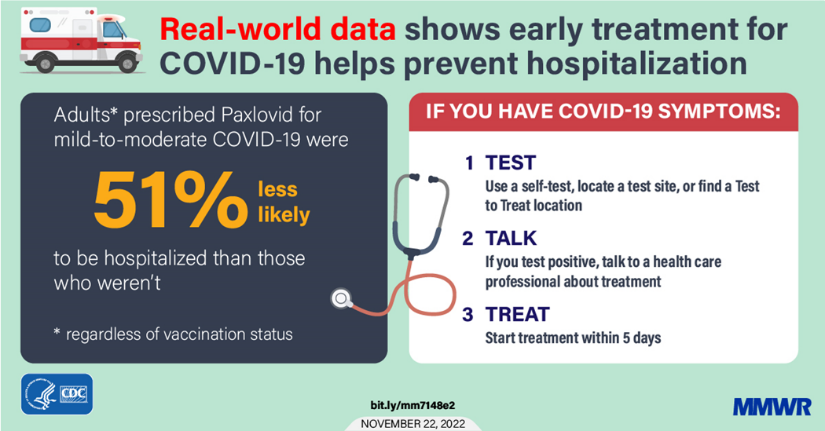
The New York Times tells us “People who took the antiviral drug Paxlovid within a few days after being infected with the coronavirus were less likely to be experiencing long Covid several months later, a large new study found.” The federal government should be promoting Paxlovid and flu treatments at least as much as it promotes vaccines.

Because winter is coming the Centers for Disease Control reminds us about the importance of home ventilation.

Improving ventilation can help you reduce virus particles in your home and keep COVID-19 from spreading. You may or may not know if someone in your home or if a visitor to your home has COVID-19 or other respiratory viruses. Good ventilation, along with other preventive actions, can help prevent you and others from getting and spreading COVID-19 and other respiratory viruses.

Health IT Analytics reports

Researchers from New York University’s Machine Learning for Good Laboratory (ML4G Lab), Carnegie Mellon University, and the New York City Department of Health and Mental Hygiene (NYC DOHMH) have developed an automated machine-learning system designed to detect rare or previously unseen disease clusters.

According to the press release shared with HealthITAnalytics via email, current automated systems used to identify public health threats rely on “syndromic surveillance” to detect existing threats but can fall short of identifying new ones.

“Existing systems are good at detecting outbreaks of diseases that we already know about and are actively looking for, like flu or COVID,” said NYU Professor Daniel B. Neill, PhD, director of the ML4G Lab, in the press release. “But what happens when something new and scary comes along? Pre-syndromic surveillance provides a safety net to identify emerging threats that other systems would fail to detect.”

Bravo.

With the new year less than two months away, Med City New informs us “Consumer research firm Forrester recently predicted major trends that would shape healthcare in 2023. Healthcare stakeholders should prepare for key changes, such as care becoming even more inaccessible for rural patients[, more remote patient monitoring for chronically ill patients] and additional retail entrants into the clinic space.

On a related note, Becker’s Hospital Review identifies the ten states with the most rural hospitals at immediate risk of closure — 1. Mississippi 24; 2. Tennessee 17, and 3. Kansas 16.

In other U.S. healthcare business news

Healthcare Dive reports

  • VillageMD has agreed to acquire medical practice Summit Health for $8.9 billion including debt, the primary care provider announced Monday.
  • VillageMD, which is majority owned by pharmacy chain Walgreens, and Summit Health, the parent company of CityMD, plan to combine their provider locations and VillageMD’s experience with value-based care to help accelerate the transition to risk for payer clients.
  • Cigna’s health services division Evernorth is also taking a stake in the deal, and will become a minority owner in VillageMD at the deal’s close, expected in the first quarter of 2023.

Fierce Healthcare summarizes 3rd quarter earnings reports from major health insurers.

Fierce Healthcare also announced its ten 2022 Women of Influence in Health award winners.

This year’s honorees cover the breadth of the industry, from providers to payers to health tech, and represent some of the industry’s largest companies as well as up-and-coming innovators. Each has been pivotal in helping their organizations—and their patients—navigate some of the most complicated years that we’ve ever faced.

Kudos to the winners.

The Goverment Accountability Office released a report titled “Private Health Insurance: Markets Remained Concentrated through 2020, with Increases in the Individual and Small Group Markets.”

Several companies may be selling health insurance in a given market, but, as we previously reported, most people usually enroll with one of a small number of insurers. Known as market concentration, this can result in higher premiums due to less competition in the market.

We found this pattern continued in 2019 and 2020, with the markets for individuals and for small employers generally becoming more concentrated. Specifically, three or fewer health insurers held at least 80% of the market share for both of these markets in at least 42 states.

From the healthcare quality front, the HHS Agency for Healthcare Quality and Research released

  • a draft Evidence Map of Social and Structural Determinants of Health Risk Factors for Maternal Morbidity and Mortality; the public comment deadline is December 4, 2022.

Also, Fierce Healthcare tells us

The Center for Medicare and Medicaid Innovation (CMMI) released a report Monday updating its strategic vision for implementing value-based care, including detailing its progress since the vision was released last year. One of the key new strategies focused on creating greater care coordination between primary care doctors and specialists, especially surrounding the types of models the center puts out.

From the mental healthcare front, the National Institutes of Health’s NIH in the News for November 2022 features an article on clinical depression for patients.

From the medical device front, the Wall Street Journal reports

Medtronic PLC medical device reduced the blood pressure of people with tough-to-treat hypertension in a closely watched study, but not significantly beyond what medications achieved.

The device cut a crucial measure of blood pressure by only about two points more than the average reduction in study volunteers who didn’t get the procedure, researchers said Monday.

Despite falling short of the study’s main efficacy goal, Medtronic said it has completed its application to the Food and Drug Administration for approval of the device, based on its safety and ability to meet certain secondary goals in the latest study as well as positive data from earlier studies.

If the FDA approves it, the device could offer a new, nonmedication treatment option for people with blood pressure that remains high despite treatment with drugs. It could also be a big-selling product for Medtronic. * * *

Medtronic’s experimental device, Symplicity Spyral, is used to perform a minimally invasive procedure known as renal denervation. 

In renal denervation, doctors insert a spiral-shaped catheter into an artery near the patient’s groin, through which a generator delivers radio-frequency energy to nerves in arteries near the kidneys. These nerves can become overactive and fuel high blood pressure. The device essentially burns these nerves so that they don’t contribute to high blood pressure.

Renal denervation has potential to be a one-time treatment, though researchers are still following patients to see how the benefit lasts.