Midweek Update / At Last a COVID Pill!

Midweek Update / At Last a COVID Pill!
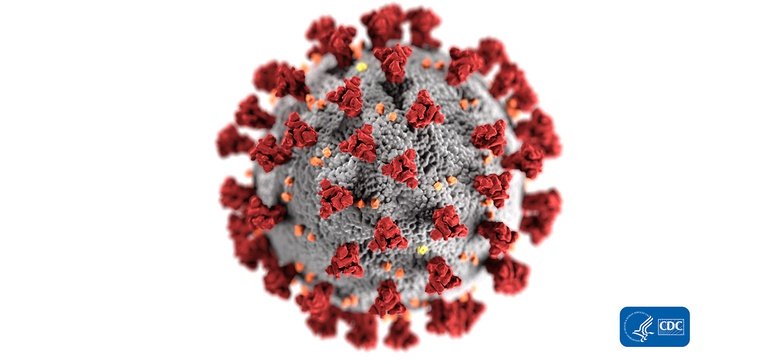
From the Omicron front, STAT News reports that

The Food and Drug Administration on Wednesday authorized Paxlovid, a pill developed and made by Pfizer, as a treatment for Covid-19, a significant step in the battle against the SARS-CoV-2 virus.

The drug was authorized for use in people as young as 12 so long as they weigh at least 88 pounds.

The authorization of an oral antiviral to beat back Covid has been eagerly anticipated because such a medicine could reach large numbers of people infected with the virus and prevent them from becoming seriously ill or hospitalized. Existing medicines, such as monoclonal antibodies, must be given intravenously or as injections.

Still, initial supplies of Paxlovid will be limited. Pfizer has said it expects to produce more than 180,000 courses of the treatment this year. The company said Wednesday it now expects to provide 120 million courses by the end of 2022, up from 80 million previously, thanks in part to new contract manufacturers. Pfizer has contracted with the U.S. government to provide 10 million courses by the end of 2022 at a cost of $5.29 billion.

Once readily available, Paxlovid will be the answer to a positive COVID test, rather than 10 days of quarantine or hospitalization. Jingle bells, indeed.

Speaking of the FDA, MedPage Today informs us that

The FDA approved the first monotherapy for bipolar-related depressive episodes, Intra-Cellular Therapies announced Monday.

The atypical antipsychotic lumateperone (Caplyta) gained an indication for the treatment of depressive episodes associated with bipolar I or II disorder in adults, as monotherapy and as adjunctive therapy with lithium or valproate. It was first approved for adults with schizophrenia in December 2019. * * *

“The efficacy, and favorable safety and tolerability profile, make Caplyta an important treatment option for the millions of patients living with bipolar I or II depression and represents a major development for these patients,” said Roger McIntyre, MD, of the University of Toronto, in a statement released by the manufacturer. “Caplyta is approved for a broad range of adult patients including those patients with bipolar II depression who have been underserved with limited treatment options.”

Switching back to the Omicron front, the Wall Street Journal reports that

New data from Scotland and South Africa suggest people infected with the Omicron variant of coronavirus are at markedly lower risk of hospitalization than those who contracted earlier versions of the virus, promising signs that immunity as a result of vaccination or prior infection remains effective at warding off severe illness with the fast-spreading strain.

The findings begin to fill in unknowns around the severity of the disease caused by Omicron, a major variable critical to health authorities around the world as they gauge how to react to the new variant.

Scientists are still unsure how the positive findings around hospitalizations will stack up against another major variable: Omicron’s much increased transmissibility. Both variables are likely to change depending on local conditions, such as the proportion of the population that has been vaccinated against Covid-19.

“This is a qualified good news story,” said Jim McMenamin, incident director for Covid-19 at Public Health Scotland, and one of the authors of the Scottish study, at a briefing. “It’s important we don’t get ahead of ourselves. A smaller proportion of a much greater number of cases can still mean a substantial number of people that might experience severe Covid infections that could lead to hospitalization.”

From the COVID vaccine mandate challenge front, the Journal also tells us that

The Supreme Court on Wednesday said it would hold fast-track oral arguments early next month to consider whether the Biden administration can enforce Covid-19 vaccine-or-testing rules for large private employers, as well as vaccine requirements for many healthcare workers.

The cases, set for argument on Jan. 7, could go a long way to determining how much latitude the administration has to combat the coronavirus pandemic in the workplace.

The high court issued a pair of short, written orders to schedule the arguments, in response to a growing pile of emergency appeals asking the justices to intervene.

The cases haven’t yet been fully litigated in the lower courts; the Supreme Court will be deciding whether the Biden administration rules can be implemented for now. But practically speaking, the court’s decision is likely to determine whether the requirements survive. 

Curiously, it does not appear that the stay of the government contractor mandate will be presented to the Supreme Court. Instead the parties have agreed to expedite briefing and the oral arguments on the merits of the case.

From the OSHA ETS front, the Society for Human Resource Management reports that


Now that a federal appeals court has revived the Occupational Safety and Health Administration’s (OSHA’s) emergency temporary standard (ETS), covered employers will need to prepare a written COVID-19 vaccination-or-testing policy by Jan. 10.

Under the ETS, employers may choose to require vaccination or allow covered employees who are unvaccinated to wear a mask and provide proof of a negative COVID-19 test on a weekly basis. The start date for the testing requirement has been extended to Feb. 9, but many other components of the ETS take effect on Jan. 10, such as the requirement for employers to determine the vaccination status of each employee and develop a written policy.

“Keep it simple,” recommended Eric Hobbs, an attorney with Ogletree Deakins in Milwaukee. “Do not include anything in the plan that you can’t follow through on.”

The Supreme Court is unlikely to rule on the OSHA ETS mandate stay before January 10, 2022.

From the Federal employee compensation front, Federal News Network reports that

President Joe Biden on Wednesday signed an executive order making federal pay raises official for many civilian employees in 2022.

As expected, General Schedule employees will receive an across-the-board federal pay raise of 2.2% in 2022, plus an additional 0.5% locality pay adjustment, to total a 2.7% average increase.

An Office of Personnel Management official confirmed the 2.7% federal pay raise to Federal News Network Wednesday evening. The agency hasn’t yet posted detailed pay tables describing pay rates for each locality pay area.

The raises take effect Jan. 1, or more specifically during the first pay period in January.

Under OPM’s regulations, Open Season changes take place on January 1 for annuitants and on the first day of the first pay period in the new year for employees. GSA’s federal employee calendar for 2022 shows that January 2 is the first day of the first pay period for next year.

From the Affordable Care Act front, the FEHBlog apologizes that he left a sentence off yesterday’s post about the current federal fiscal year’s PCORI fee. To close the unintended loop, IRS Notice 2022-04 states that “The applicable dollar amount that must be used to calculate the [PCORI] fee imposed by sections 4375 and 4376 for policy years and plan years that end on or after October 1, 2021, and before October 1, 2022, is $2.79” per bellybutton.


Winter is here!

Photo by Clarisse Meyer on Unsplash

The Wall Street Journal reports that “The 2021 winter solstice [took] place on Tuesday, Dec. 21, at 3:59 p.m. Coordinated Universal Time (UTC), the international standard time used by astronomers. That is 7:59 a.m. Pacific Time and 10:59 a.m. Eastern Time. * * * On the winter solstice, our planet’s [23.5 degree] tilt brings the South Pole closest to the sun—and the Antarctic Circle gets 24 hours of daylight. The North Pole is tilted away from the sun, and the Arctic Circle is shrouded in darkness for nearly a full day. * * * The winter solstice in the Northern Hemisphere marks the point at which the season’s short days start to lengthen—continuing until the summer solstice in June, when there is the longest period of daylight and the shortest period of darkness there.”

Winter solstice 2019 was pre-pandemic. Winter solstice 2020 conincided with the introduction of the mRNA vaccines in the U.S. and this winter solstice is expected to coincide with the introduction of the early onset COVID pills from Pfizer and Merck.

Bloomberg informs us that

The U.S. Food and Drug Administration is poised to authorize a pair of pills from Pfizer Inc. and Merck & Co. to treat Covid-19 as soon as this week, according to people familiar with the matter — a milestone in the fight against the pandemic that will soon expand therapies for the ill.

An announcement may come as early as Wednesday, according to three of the people. They asked not to be identified ahead of the authorization and cautioned that the plan could change. 

Pfizer’s pill, Paxlovid, and Merck’s molnupiravir are intended for higher-risk people who test positive for the coronavirus. The treatments, in which patients take a series of pills at home over several days, could ease the burden on stretched hospitals with infections poised to soar through the winter in the U.S. 

This is similar to the roll out of the mRNA vaccines which initially administered to higher-risk people as well as first responders. FiercePharma tells us that “Pfizer expects to make 80 million courses of COVID drug Paxlovid by the end of 2022.” Bloomberg adds that “’It’s the biggest thing to happen in the pandemic after vaccines,’” said Eric Topol, director of the Scripps Research Translational Institute.” For what it’s worth, the FEHBlog shares this sentiment.

In other COVID treatment news, Medscape reports that

A “definitive study” from Johns Hopkins University researchers and others shows that convalescent plasma can cut hospital admissions for COVID-19 by 54% if therapy is administered within 8 days of symptom onset.

In the study of 1181 adults randomly assigned to high-titer convalescent plasma or placebo, 2.9% of people receiving the therapy were hospitalized compared to 6.3% who received placebo control plasma.

This translates to a 54% risk reduction for hospitalization with convalescent plasma. * * *

Whereas many convalescent plasma studies were done in hospitalized patients, this is one of only a handful performed in outpatients, the researchers note.

There is a regulatory catch. The FDA restricted emergency use authorization (EUA) for convalescent plasma in February 2021 to include only high-dose titer plasma and to limit the therapy to hospitalized patients with early disease or for immunocompromised people who cannot mount an adequate antibody response.

[Dr. David] Sullivan and colleagues hope their findings will prompt the FDA to expand the EUA to include outpatients.

From the White House front, the President spoke this afternoon about an enhanced federal government response to Omicron, including federal government run testing and vaccination sites and federally funded home delivery of rapid COVID tests.

Govexec explains that

The administration will launch federal testing sites around the country, standing up the first in New York City before Christmas. It will establish subsequent sites in states and communities where capacity is constrained, a senior administration official who spoke to reporters on the condition of anonymity said on Monday, with those going up in January and February. The government will once again deploy hundreds of federal personnel to boost vaccination capacity around the country, with the goal of boosting capacity by thousands of shots per week. The Federal Emergency Management Agency will oversee pop-up vaccination sites operated by the federal government, with the first ones going to Washington and New Mexico.  * * *

The White House also announced it was purchasing 500 million tests and will soon set up a website for any Americans to order one for free. The tests will be available in January and delivered by mail for free, though the White House is still finalizing how many each individual will be entitled to order. The administration pledged to boost its use of the Defense Production Act to boost the supply of at-home, rapid tests.

It’s not yet clear whether this initiative replaces the earlier proposal to have health plans reimburse their members for these over the counter tests.

The San Franciso Chronicle seeks to put the transmissibility of Omicron in perspective

The reproductive number known as R0, pronounced “R naught,” measures a disease’s transmissibility at the beginning of a pandemic with no preexisting immunity, said Warner Greene, a virologist and senior investigator at the Gladstone Institutes in San Francisco. It represents how many people one sick person will infect.

According to a study released in October, the original COVID-19 strain that emerged from Wuhan has an R0 value of 2.79. The delta variant has a value of between 5 to 6 — about twice as contagious as the original strain.

Chicken pox has an R0 value of 9-10. The R0 value of measles is estimated at 12 to 18.

Greene said to really know the true R0 value of omicron, more information is needed. He cited an estimate from Martin Hibberd, a professor of emerging infectious diseases at the London School Of Hygiene & Tropical Medicine, that omicron could have an R0 of 10.

Chin-Hong said “a lot more fully vaccinated people will get breakthrough infections, but will not likely get very ill and are very unlikely to die.”

For unvaccinated people, the situation is much more serious.

“It will be very difficult to avoid getting infected with omicron,” Swartzberg said. “You may have been lucky with the other variants and the ancestral strain. It’s unlikely you will be with omicron. The unvaccinated will be the biggest spreaders of omicron and they will be the ones most likely hospitalized from it.”

No joke.

From the National Institutes of Health front —

  • “Yesterday the U.S. Food and Drug Administration announced its first approval of a long-acting HIV prevention medication. Developed by ViiV Healthcare, the medicine is long-acting cabotegravir injected once every two months. FDA has approved the medicine for use by adults and adolescents weighing at least 35 kilograms who are at risk of sexually acquiring HIV. This milestone marks a vital expansion of biomedical HIV prevention options available to people in the United States.”
  • “Despite important advances in the understanding and treatment of oral diseases and conditions, many people in the U.S. still have chronic oral health problems and lack of access to care, according to a report by the National Institutes of Health. Oral Health in America: Advances and Challenges, is a follow-up to the seminal 2000 Oral Health in America: A Report of the Surgeon General.” * * * “The authors make several recommendations to improve oral health in America, which include the need for health care professionals to work together to provide integrated oral, medical, and behavioral health care in schools, community health centers, nursing homes, and medical care settings, as well as dental clinics. They also identify the need to improve access to care by developing a more diverse oral health care workforce, addressing the rising cost of dental education, expanding insurance coverage, and improving the overall affordability of care.”

From the Affordable Care Act front, the Internal Revenue Service announced today that the applicable dollar amount that health plans must use to calculate the [PCORI] fee imposed by sections 4375 and 4376 for policy years and plan years that end on or after October 1, 2021, and before October 1, 2022, is $2.79″ per bellybutton. The immediately preceding years fee was $2.66 per bellybutton.

Tuesday’s Tidbits

Photo by Patrick Fore on Unsplash

From the Capitol Hill front, the Wall Street Journal reports that

The Senate passed a measure raising the government’s borrowing limit by $2.5 trillion, as Democrats moved to quickly bring the measure to President Biden’s desk and push the next debt-ceiling standoff past the midterm elections.

The Senate voted 50-49 to approve the legislation, sending it to the House, which could pass it as soon as later Tuesday. 

Meritalk informs us that

The Senate on Dec. 14 voted to invoke cloture on the conferenced version of the fiscal year (FY) 2022 National Defense Authorization Act (NDAA), setting up a final vote on Wednesday for the $768 billion defense spending bill. The cloture motion sailed through the Senate by an 86-13 vote, ending debate on the compromise NDAA bill. 

Roll Call adds that

Senate Democrats on Tuesday softened their optimism that their party’s sweeping safety net and climate spending and tax package will pass before Christmas, citing uncertainty about whether Sen. Joe Manchin III, D-W.Va., is ready to support it and procedural steps that are far from complete. 

“It’s a tough timeline,” Michigan Sen. Debbie Stabenow, a member of Democratic leadership, said. “So we’re still pushing forward. We have a lot of agreement. But, you know, if this is not done in the next two weeks, we’ll come back in January and get it done.”

The House passed a $2.2 trillion version of the bill last month. Senate Democrats have released updated text for nine of their 12 committees that have jurisdiction over the package. The Energy and Natural Resources Committee that Manchin chairs is among the three committees that have not released text, along with Environment and Public Works and Judiciary. 

And STAT News reports that

Robert Califf escaped largely unscathed from a two-hour hearing Tuesday vetting him to be commissioner of the Food and Drug Administration. He gushed about his love of high-quality data, skillfully navigated questions on hot-button topics like abortion and drug pricing, and even had personal anecdotes about Covid-19 testing and opioid prescribing at the ready. * * *

The smooth hearing is the latest signal that Califf, who already survived a confirmation process for the FDA’s top job in 2016, will be easily approved for the job again. A vote on his confirmation has not been scheduled, but is expected in early 2022.

From the Delta/Omicron front

STAT News tells us that

The Omicron variant is starting to eat into Delta’s dominance in the United States.

The new variant accounted for 2.9% of sequenced Covid-19 cases in the United States in the week ending Dec. 11. The week before, 0% of cases were from Omicron. Delta accounted for essentially all of the other sequenced cases, according to data from the Centers for Disease Control and Prevention.

The new figures, updated Tuesday, indicate that Omicron started circulating before that week, given how long it can take for infections to be sequenced and reported. They show that Omicron’s advantage over the highly transmissible Delta variant is becoming noticeable in this country. * * *

Experts have said it appears Omicron is taking over faster than Delta did as it became dominant globally earlier this year.

The National Institutes of Health Director’s blog this week offers the latest on the Omicron variant and COVID vaccines.

It’s important to note that scientists around the world are also closely monitoring Omicron’s severity While this variant appears to be highly transmissible, and it is still early for rigorous conclusions, the initial research indicates this variant may actually produce milder illness than Delta, which is currently the dominant strain in the United States.

But there’s still a tremendous amount of research to be done that could change how we view Omicron. This research will take time and patience.

What won’t change, though, is that vaccines are the best way to protect yourself and others against COVID-19. (And these recent data provide an even-stronger reason to get a booster now if you are eligible.) Wearing a mask, especially in public indoor settings, offers good protection against the spread of all SARS-CoV-2 variants. If you’ve got symptoms or think you may have been exposed, get tested and stay home if you get a positive result. As we await more answers, it’s as important as ever to use all the tools available to keep yourself, your loved ones, and your community happy and healthy this holiday season.

The New York Times observes that

As the coronavirus pandemic approaches the end of a second year, the United States stands on the cusp of surpassing 800,000 deaths from the virus, and no group has suffered more than older Americans. All along, older people have been known to be more vulnerable, but the scale of loss is only now coming into full view.

Seventy-five percent of people who have died of the virus in the United States — or about 600,000 of the nearly 800,000 who have perished so far — have been 65 or older. One in 100 older Americans has died from the virus. For people younger than 65, that ratio is closer to 1 in 1,400. * * *

Since vaccines first became available a year ago, older Americans have been vaccinated at a much higher rate than younger age groups and yet the brutal toll on them has persisted. The share of younger people among all virus deaths in the United States increased this year, but, in the last two months, the portion of older people has risen once again, according to data from the Centers for Disease Control and Prevention. More than 1,200 people in the United States are dying from Covid-19 each day, most of them 65 or older.

The FEHBlog certainly hope that more readily available boosters and rapid antigen testing combined with the Pfizer and Merck early onset pills will help stem the death toll. The Wall Street Journal reports tonight that

Preliminary laboratory tests gave encouraging signs that Pfizer Inc.’s PFE 0.62% experimental Covid-19 pill for the newly infected could work against Omicron, the company said. * * * The positive results come as the Food and Drug Administration reviews whether to clear use of Paxlovid in high-risk adults, a decision that could come before the end of the year. * * * Meanwhile, a separate, preliminary analysis provided signs the drug may help people at low risk of severe Covid-19, such as vaccinated individuals who end up becoming sick.

From the tidbits department —

Healthcare mergers and acquisitions surged in 2021, growing 56% in the 12 months through Nov. 15 versus 2020.

There was particularly high growth among physician medical groups, which saw more than 400 deals, as well as managed care and rehabilitation subsectors, according to a new report from PwC. This compares to about 200 to 250 deals per year between 2017 and 2019.

There’s the potential for more consolidation and private equity roll-ups in 2022 and beyond as practices have experienced challenging economics and may face 2022 Centers for Medicare & Medicaid Services (CMS) payment cuts.

  • The Leapfrog Group announced its 2021 top hospitals in our country.

This year, 149 hospitals from across the country received the Top Hospital Award. California, Florida, Massachusetts, New Jersey, and Pennsylvania were the states with the most Top Hospitals, with ten or more hospitals in each state receiving the designation. The Top Hospitals are recognized in four categories: Top General Hospitals (46 recipients), Top Rural Hospitals (23 recipients), Top Teaching Hospitals (72 recipients), and Top Children’s Hospitals (8 recipients).

Full results of the 2021 Leapfrog Hospital Survey are publicly reported and available for free on Leapfrog’s website, providing patients with a resource to make informed decisions about where to seek treatment.

To see the methodology for Top Hospitals, please visit https://www.leapfroggroup.org/tophospitals.

  • The Centers for Disease Control offers six tips for eating healthy on a budget.

Monday Roundup

Photo by Sven Read on Unsplash

From the political front, Politico reports that

[Senator] Joe Manchin (D WV) remains at the negotiating table [with his party’s leadership], despite deep concerns about President Joe Biden’s climate and social spending bill [a/k/a the Build Back Better Act]. 

After speaking with Biden on Monday afternoon, Manchin said he was still “engaged” in discussions. And as he left the Capitol, the key Democratic senator made clear he wasn’t ready to commit to voting for or against a bill that is still coming together behind closed doors.

From the White House, the President issued an executive order on improving customer service performed by government agencies. Federal News Network explains that

Jason Miller, the Office of Management and Budget’s deputy director for management, said the EO also directs agencies to coordinate work on services that reflect common life experiences, including turning 65 and planning retirement, having a child or applying for a small business loan. * * *

The executive order gives senior administration officials 90 days to select a limited number of these customer life experiences to prioritize across government. It requires Miller and other members of the President’s Management Council to update [Presidential senior advisor Neera] Tanden and White House Chief of Staff Ron Klain on progress made improving these customer life experiences every six months.

The EO also gives the General Services Administration six months to develop a roadmap of shared services that agencies can use to improve customer experience.

The administration specifically names Login.gov and the U.S. Web Design System, a set of templates meant to create a common look and feel for agency websites, as tools that all agencies should use to improve federal customer experience.

Here is a link to the White House’s press release on the Executive Order as found on performance.gov.

From the Affordable Care Act front, the Internal Revenue Services has released the final Affordable Care Act coverage reporting forms, 1095-B and 1095-C, along with the final instructions for those forms.

From the Office of Information and Regulatory Affairs’ website, we find that the federal government’s Fall 2021 regulatory agenda has been published. Here is a link to OPM’s Fall 2021 agency rule list. A chill went up the FEHBlog’s spine when he noticed that the ACA provider non-discrimination proposed rule mandated by the No Surprises Act will be published this month due to a statutory requirement. Cost curve up?

From the employer sponsored care front, Healthcare Dive reports that

— The average per-employee cost of employer-sponsored health insurance jumped 6.3% in 2021, as employees and their families resumed care delayed last year due to the pandemic, according to a new survey of employers from Mercer.

— That’s the highest annual increase since 2010. Health benefit costs outpaced growth in inflation and worker compensation through September, the employee healthcare and investment consultancy said.

— The findings raise questions of whether employers are experiencing a temporary correction to the cost trend following a minimal year-over-year increase of just 3.4% in 2020, or if they’re staring down the barrel of a new period of higher cost growth.

No doubt those questions can keep actuaries awake at night.

From the good COVID news department (yes it exists), STAT News informs us that

Paxlovid, Pfizer’s oral treatment for Covid-19, led to an 89% reduction in hospitalization and death in final data from a pivotal trial, the company said today, confirming the results of an earlier analysis.

The news should allay concerns that the efficacy of Pfizer’s pill would wane over time. Molnupiravir, a Covid-19 antiviral from Merck, appeared 50% effective in an interim trial analysis but fell to about 30% in the final tally. Both studies enrolled unvaccinated patients who were recently diagnosed with Covid-19 and had at least one risk factor for severe disease.

The next step for Pfizer is submitting the results to the FDA, which the company expects to do this month, and applying for an emergency-use authorization. The agency is yet to disclose whether it will convene a panel of expert advisers before deciding on Paxlovid.

Based on the President’s winter is coming plan, the FEHBlog’s bet is on the FDA approving the Pfizer drug without delay.

Friday Stats and More

Based on the Centers for Disease Control’s COVID data tracker and using Thursday as the first day of the week, here is the FEHBlog’s weekly chart of new COVID cases for 2021:

STAT News reports today that Omicron may give Delta a run for its money.

As the Omicron variant snowballs in South Africa and widens its inroads in Europe, evidence is mounting that it can outcompete the highly transmissible Delta variant — a potential warning signal for the United States.

The Wall Street Journal adds that

The U.K. is emerging as a testing ground in the battle for dominance between the new Omicron variant of the coronavirus and Delta, the earlier strain that is currently driving most infections in the U.S. and Europe.

How Britain fares against Omicron will offer clues to the U.S. and the rest of the industrialized world about how the variant behaves in a highly vaccinated population, how sick those who are infected get and if its dozens of mutations have given Omicron enough of an advantage on the evolutionary ladder to starve Delta of the hosts it needs to stay on top.

The CDC’s weekly new COVID hospitalizations chart up week to week from 6.500 to 7,500 which is 54% below the number of new hospitalizations in January 2020. The Wall Street Journal adds that

As the pandemic heads into its third year, doctors are screening more effectively for these clots and improving treatment regimens, marking a significant medical advance alongside the vaccines and antiviral pills under review for Covid-19 that get the most attention.

Even before test results come in, doctors may sometimes treat patients with a high dose of anticoagulants if they suspect blood clots, often termed thrombosis, said Michael Streiff, a clot specialist at Johns Hopkins University.

“The incidence of thrombosis was very high in the beginning but has declined over time. I think this is due to better supportive care,” Dr. Streiff said.

Still, some doctors say there’s much to be done to improve outcomes further. Recent studies are helping to define more precise treatment protocols for clots.

Here’s the FEHBlog weekly chart of new COVID deaths for 2021:

The Wall Street Journal notes that

The Omicron variant of Covid-19 has so far caused mostly mild cases of Covid-19 in a small group of largely vaccinated people in the U.S., federal data show.

Among at least 43 people infected with the variant in 25 states in recent days, there has been one hospitalization and no deaths so far, the Centers for Disease Control and Prevention said Friday.

Out of 43 cases identified between Dec. 1 and Dec. 8, nearly 80% of the people infected with Omicron were fully vaccinated, according to CDC data, and one-third had received a booster shot. Fourteen percent of the people had a previous Covid-19 infection. Patients most commonly reported mild symptoms like cough, fatigue, congestion or runny nose, the CDC said. Nearly 60% of cases were in people 18 to 39 years old.

The report is an early piece of the picture scientists are working to assemble on Omicron’s infectiousness and virulencerelative to other variants.

Here’s the FEHBlog’s weekly chart of new COVID vaccinations administered and distributed from the 51st week of 2020 through the 49th week of 2021:

This past week was the first week since June 2021 that administered vaccinations topped 10 million. Slightly over 50% of the U.S. population over 65 is boostered according to the CDC.

Here is a link to the CDC’s weekly interpretation of its COVID statistics which urges all Americans aged 16 and older to get boostered.

From the flu front, the CDC reports that seasonal flu activity remains low but continues to increase. The CDC encourages Americans to fight the flu by getting vaccinated, engage in preventative measures, and take flu antiviral drugs if your doctor prescribes them. We are about a month away from the CDC giving the same advice about COVID.

From the Capitol Hill front, FedWeek informs us that

Congress is moving toward passing a compromise version of the annual DoD authorization bill (S-1605) containing a number of provisions affecting personnel policies government-wide, including two new weeks of paid leave for federal employees on the death of a son or daughter.

The new “parental bereavement leave” replaces a House provision that would have expanded the authority for federal employees to take paid time rather than unpaid time for parental purposes covered by the Family and Medical Leave Act. The Senate version had not included any provision on parental leave.

The compromise provision uses the same definitions for children as under the FMLA; rules likely will be needed to define the policy, including the effective date.

The bill also: extends long-running authorities for all agencies to pay certain special allowances to employees working in areas of active military operations; requires OPM to perform a study of allowances for employees working in remote areas; and orders OPM to establish or update occupational series in the fields of software development, software engineering, data science, and data management.

However, the final version drops House language to require OPM to redefine locality pay areas for wage grade employees so that they align with the areas used for the GS system. Currently, in some cases wage grade employees receive smaller raises than GS employees at the same location. The bill however encourages OPM to address that issue. 

From the judicial front

  • The Society for Human Resource Management brings us up to date on oral arguments before the U.S. Supreme Court this week on human resources and employee benefit issues.
  • The Coalition against Surprise Billing blasted the American Medical Association and the American Hospital Association for bringing a lawsuit against the independent dispute resolution regulations under the No Surprises Act.

From the healthcare business front —

New York-based Hydrogen Health, a joint venture between Anthem, investment firm Blackstone and digital primary care company K Health, is launching its virtual primary care offerings nationwide, the provider announced Dec. 9. 

Anthem and its partners formed Hydrogen Health in April 2021 to leverage artificial intelligence to drive down healthcare costs in both employer and consumer markets. The joint venture offers employers and insurers text and video-based digital primary care, and taps K Health’s artificial intelligence to personalize that care. 

Hydrogen Health shared that since its initial launch with Anthem, its customers now include multiple Fortune 500 companies and other large employers. 

Moving into 2022, the plan anticipates it will expand the conditions it can diagnose and manage and grow its membership by 10 million — all digitally, according to the announcement. 

  • Healthcare Dive reports that on CVS Health’s investors day held yesterday.

— CVS Health plans to ramp up its acquisitions of physician practices and clinics as it continues to pursue its primary care strategy and races with other retail pharmacies to build out medical networks.

— The Woonsocket, Rhode Island-based healthcare behemoth already operates a network of MinuteClinics, urgent care locations staffed by nurse practitioners. But CVS wants to broaden its care delivery strategy into a primary care model, including “physician-led primary care centers with integrated virtual and home assets,” CVS EVP and president of pharmacy services Alan Lotvin said Thursday at CVS’ investor day.

— CVS plans to add a few hundred primary care centers to its network of MinuteClinics, drugstores and health-focused HealthHUB locations launched a few years ago, as it moves from an episodic to more longitudinal approach to care, Lotvin said. CVS also wants to eventually add more specialty services to compete as the retail healthcare market becomes increasingly saturated.

From the benefit design front, Health Payer Intelligence informs us that “Employing personalized, in-home chronic disease management services can have a significant impact on spending for seniors with chronic conditions, a study from Avalere found.”

Patients with quadriplegia saw the highest healthcare spending difference in total cost of care after receiving home healthcare. The group that received the home healthcare solution spent $12,807. In contrast, the group that did not receive in-home chronic disease management support spent nearly $30,000 more, with average spending of $42,709.

The condition that ranked lowest in the top ten chronic conditions was intestinal obstruction or perforation. But even for this condition, patients with the intervention spent on average $17,738 less than their counterparts.

Despite the major differences in total cost of care between the two groups, the group that received the targeted home healthcare intervention did not display drastic differences between healthcare spending levels before and after implementing the intervention.

Monday Roundup

Photo by Sven Read on Unsplash

From Capitol Hill, Roll Call discusses the Senate Parliamentarian’s role in refereeing budget reconciliation bills like the Build Back Better Act.

Senate committees have been updating the House-passed $2.2 trillion climate and social spending package text to ensure it complies with budget reconciliation rules, but most have yet to begin the formal review process with the Senate parliamentarian known as “the Byrd bath.”

Majority Leader Charles E. Schumer sent a “Dear Colleague” letter on Monday reiterating his goal to pass the legislation in the Senate before Christmas. But the update he provided on the procedural steps needed to get there suggests senators will be lucky if they can meet that deadline. 

Schumer said Senate committees are continuing informal conversations with Senate Parliamentarian Elizabeth MacDonough about their pieces of the package and “making necessary technical and ‘Byrd proofing’ edits to the House bill.” The Byrd rule requires any policy changes made through reconciliation to have more than a “merely incidental” impact on the budget, among other restrictions.

From the COVID vaccine front, Medscape informs us that

Adolescents and adults younger than age 21 who develop myocarditis after mRNA COVID-19 vaccination frequently have abnormal findings on cardiac MRI(cMRI) but most have a mild clinical course with rapid resolution of symptoms, a new study concludes.

“This study supports what we’ve been seeing. People identified and treated early and appropriately for the rare complication of COVID-19 vaccine-related myocarditis typically experienced only mild cases and short recovery times,” American Heart Association (AHA) President Donald M. Lloyd-Jones, MD, said in a podcast.

“Overwhelmingly, the data continue to indicate the benefits of COVID-19 vaccine far outweigh any very rare risks of adverse events from the vaccine, including myocarditis,” Lloyd-Jones added.

and that

The U.S. Food and Drug Administration on Friday authorized the use of Eli Lilly’s COVID-19 dual-antibody therapy in treating mild to moderate symptoms in all children, including newborns, who are at risk of severe illness.

The therapy, bamlanivimab plus etesevimab, was previously authorized for children aged 12 years and older and weighed at least 88 pounds.

“Children under one year of age, who are exposed to the virus that causes COVID-19, may be at particularly high risk for severe COVID-19 and this authorization addresses the medical needs of this vulnerable population,” said Patrizia Cavazzoni, director of the FDA’s Center for Drug Evaluation and Research.

The FDA authorization also allows the administration of the therapy as a preventive measure in children who are exposed to the virus.

Per STAT News

People who received the Pfizer (PFE)-BioNTech (BNTX) vaccines may get as much benefit from a Johnson & Johnson (JNJ) booster shot as a Pfizer oneThe New York Times explains, citing the findings of a small study released on Sunday. Researchers at Beth Israel Deaconess Medical Center in Boston studied 65 people who had received two shots of the Pfizer vaccine. Six months after the second dose, the researchers gave 24 of the volunteers a third dose of the Pfizer vaccine and gave 41 the Johnson & Johnson shot. The study was funded in part by Johnson & Johnson and has not yet been published in a scientific journal.

As of today according to the Centers for Disease Control, 60% of the U.S. population is fully vaccinated and 25% of the U.S. population over age 18 has had a booster.

From the Delta variant testing front

  • The American Medical Association reviews the different COVID tests that are available in our country. The article warns that the at home tests must be performed correctly. This will be useful information to share with health plan members.
  • A friend of the FEHBlog pointed out this HHS website that lists low or or no COVID cost testing facilities in each of the states and DC. Another friend of the FEHBlog informed him that local public libraries in the Washington DC area offer at home rapid COVID tests like Binax to their visitors at no cost. The FEHBlog learned long ago that when a health plan is asked to provide a service or supply that it typically does not cover, like over the counter drugs or tests, you typically can find a government resource to fill the gap. To soften the financial blow of the the President’s unexpected mandate that health plans cover the cost of at home rapid COVID tests, health plans also should consider educating members about community resources.

Speaking of which, Health Payer Intelligence reports on payer efforts to fund various community resources to address the social determinants of health, a thoughtful idea particularly at the holiday season.

Thursday Miscellany

From the Capitol Hill front, Roll Call reports that

The Senate looks set to clear a House-passed a temporary spending bill Thursday night that would keep the lights on at federal agencies through Feb. 18, buying 11 more weeks to try to resolve partisan disputes over funding levels and policy riders that have stalled progress on fiscal 2022 appropriations.

The stopgap measure passed the House on a 221-212 vote earlier in the evening. The Senate timeline cleared up once it became apparent a group of GOP conservatives would get an up-or-down vote on an amendment to bar funding to implement a new private sector vaccine mandate.

“I think we’re gonna get our amendment at a 50-vote threshold,” Sen. Roger Marshall, R-Kan., told reporters after the House vote. 

A Senate GOP leadership aide said the vote would occur in that chamber Thursday evening. With three absences on the Republican side, senators expected Marshall’s amendment to be defeated, which would set up a vote on clearing the stopgap bill for President Joe Biden’s signature ahead of a midnight Friday deadline to avert a partial government shutdown.

So as the FEHBlog expect, no government shutdown which is good news.

From the Delta variant front —

STAT News informs us that

Health officials on Thursday reported the country’s second Covid-19 infection from the Omicron variant in a Minnesota resident who notably did not travel internationally recently, unlike the first case.

The case in Minnesota is an adult male who had been vaccinated and, in early November, received a booster shot. He lives in Hennepin County, which includes Minneapolis, state health officials said. He developed mild symptoms on Nov. 22, was tested on Nov. 24, and no longer has symptoms. 

The man had been in New York City in the days leading up to feeling sick and attended the Anime NYC 2021 convention at the Javits Center from Nov. 19 to Nov. 21. Minnesota health officials are collaborating with New York City authorities and the Centers for Disease Control and Prevention on their case investigation.

Bloomberg adds

In some of the first data to come back on the omicron variant of the coronavirus, researchers in South Africa, where it was first identified, say the mutation is spreading faster than the delta strain. There also seems to be a greater risk of reinfection—where previously infected people get the virus again. Three times higher, in fact. But scientists also said hospitalizations in South Africa remain muted, a sign that may be attributable in part to vaccinations. Shabir Madhi, a vaccinologist at the University of the Witwatersrand, said he’s “optimistic that in this resurgence, while the total number of cases will probably be greater, hospitalizations and deaths will be lower.” —David E. Rovella

The Wall Street Journal reports that

Early laboratory studies suggest that a Covid-19 antibody treatment developed byGlaxoSmithKline GSK 0.24% PLC and Vir Biotechnology Inc. VIR -2.19% is effective against the Omicron variant, the companies said, setting it apart from similar therapies that appear to work less well against the highly mutated strain.

The companies said Thursday that they had tested the drug, called sotrovimab, against certain individual mutations found in Omicron, which has now been detected in at least 24 countries, including the U.S. Glaxo and Vir said the findings were preliminary and they would need to test the treatment against the whole of the mutated spike protein found in the variant to confirm the result. The companies published the preliminary research, which hasn’t yet been peer reviewed.

From the White House, the President announced a bevy of new COVID control measures today. Of particular interest to health plans is the following one:

Providing health plan coverage of no-cost rapid, over-the-counter (OTC) COVID-19 tests:  To expand access and affordability of at-home COVID-19 tests, the Departments of Health and Human Services, Labor and the Treasury will issue guidance by January 15th to clarify that individuals who purchase OTC COVID-19 diagnostic tests will be able to seek reimbursement from their group health plan or health insurance issuer and have insurance cover the cost during the public health emergency. Workplace screening would remain consistent with current guidance. 

That workplace guidance currently requires the employer to fund the cost of testing, e.g., in programs that require vaccinations or weekly testing / masking. However, I think that once this Pandora’s box is open, employers will be telling their employees to pick up a test at the local pharmacy if they need to be tested. What’s stopping them? Healthcare Dive explains that the mandate will remove the market incentive currently on manufacturers to lower costs.

The plan is a potential boon for medtech companies that produce at-home tests. With insurers on the hook for payment, it may drive up demand, particularly among those who were sensitive to prices before. Abbott, BD and Quidel are big players in the at-home testing space.

Furthermore the FEHBlog doesn’t see the sense in taking this step before the Food and Drug Administration give emergency use authorization to Merck and Pfizer COVID pills to treat COVID at its onset.

From the COVID vaccine mandate front, Beckers Hospital Review reports that

HHS is appealing a federal court’s decision to temporarily block the start of its vaccination mandate for healthcare workers, according to Bloomberg Law

U.S. District Judge Terry Doughty in Louisiana granted a preliminary injunction Nov. 30 halting the vaccination rule for healthcare workers until legal challenges are resolved.  * * *

HHS Secretary Xavier Becerra and other defendants filed an appeal Dec. 1. The U.S. Court of Appeals for the 5th Circuit will hear the appeal. 

From the pharmacy front —

Healthcare Dive informs us that

CVS Health and Microsoft are forming a strategic alliance to co-develop products around the areas of personalized care and digital health, the two companies announced Thursday.

CVS said it plans to use Microsoft’s computing capabilities to deliver more customized health recommendations when and where consumers need them as the retail pharmacy giant continues to focus on digitally enabled and consumer-centric health services. The two will also look for new ways to leverage technology and machine learning to automate CVS operations and reduce waste.

Fierce Healthcare tells us that

CVS Pharmacy is expanding an in-app feature for visually impaired patients, which reads prescription information out loud, to all of its nearly 10,000 U.S. locations.

The solution, called Spoken Rx, was designed in collaboration with the American Council of the Blind. Patients enrolled in the program can scan the labels on their prescription containers and have their information, including the medication’s name and directions for use, read out loud to them in either English or Spanish.

* * * The feature is free to all patients who enroll. CVS can provide a standalone speaker device to read prescription labels if the patient doesn’t have a smartphone.

CVS also offers ScripTalk on its website, which allows patients who get their medications delivered to their homes to have their prescriptions read aloud through the separate ScripTalk app. The pharmacy giant first made the service available in 2014.

The company has options for braille and large-print prescription labels through their online pharmacy too.

Tuesday’s Tidbits

From the Delta variant vaccination and treatment front, AHIP informs us that

The Food and Drug Administration’s (FDA) Antimicrobial Drugs Advisory Committee (AMDAC) held a meeting to discuss the safety and efficacy of the COVID-19 antiviral treatment molnupiravir, developed by Merck and Ridgeback Biotherapeutics. The oral treatment is the first COVID-19 therapy that could be taken outside a clinical setting. The Committee reviewed data by Merck and the FDA on molnupiravir’s toxicity, efficacy, and safety, and discussed concerns over treatment of pregnant persons and the potential effects of viral mutation and evolution. Initial data from Merck showed that molnupiravir reduced the hospitalization risk among high-risk patients by 48%, however data released November 26 suggests the reduction in hospitalizations may be closer to 30%.

The Committee voted 13-10 that the potential benefits of molnupiravir outweigh the known and potential risks when used for the treatment of mild-moderate COVID-19 in adult patients who are within 5 days of symptom onset and are at high risk of severe COVID-19, including hospitalization or death. Given concerns about the potential harmful effects on fetal development, Committee members further stressed the need for pregnancy testing prior to taking molnupiravir.

The FDA will review AMDAC’s conclusions and formally decide whether or not to grant emergency use authorization (EUA) to molnupiravir in the coming weeks. 

Acting Food and Drug Commissioner Dr. Janet Woodcock announced

The [Food and Drug Administration] is working as quickly as possible to evaluate the potential impact of this variant on the currently available diagnostics, therapeutics and vaccines. We are closely monitoring the situation and are committed to communicating with the public as we learn more. 

Historically, the work to obtain the genetic information and patient samples for variants and then perform the testing needed to evaluate their impact takes time. However, we expect the vast majority of this work to be completed in the coming weeks.

Healthcare Dive informs us that

The emergence of a new COVID-19 variant, named Omicron (B.1.1.529), is putting pressure on diagnostics manufacturers who test for the presence of SARS-CoV-2 to ensure its results are not impacted. Thermo Fisher ScientificQiagen and Lucira Health were quick to claim their tests can detect the emerging variant.    

The Wall Street Journal reports that

The Omicron variant of the Covid-19 virus could lead to more infections among vaccinated people, according to several scientists, but some said there were reasons to believe the shots would protect against severe disease.

While the new variant might evade the antibodies generated in reaction to the vaccines, the virus will likely remain vulnerable to immune cells that destroy it once it enters the body, said Ugur Sahin, co-founder of BioNTech SE, which sells a Covid-19 shot with partner Pfizer Inc.

“Our message is: Don’t freak out, the plan remains the same: Speed up the administration of a third booster shot,” Dr. Sahin said in an interview Tuesday.

In that regard, Govexec.com notes that “Pfizer/BioNTech are expected to apply for approval for their booster shots for 16 and 17 year olds and the FDA “could authorize extra shots within roughly a week,” The New York Times reported on Monday.”

In COVID vaccine mandate legal news, the FEHBlog was quite surprised to read in Govexec that

On Tuesday, a federal judge temporarily blocked the COVID-19 vaccine mandate for federal contractors in three states.

U.S. District Judge Gregory Van Tatenhove, who serves in the U.S. District Court for the Eastern District of Kentucky, issued a preliminary injunction for the vaccine mandate for federal contractors and subcontractors in all covered contracts in Kentucky, Ohio and Tennessee. Following President Biden’s issuance of the executive order on the mandate on September 9, there have been numerous legal challenges. 

“This is not a case about whether vaccines are effective. They are. Nor is this a case about whether the government, at some level, and in some circumstances, can require citizens to obtain vaccines. It can,” wrote Van Tatenhove. “The question presented here is narrow. Can the president use congressionally delegated authority to manage the federal procurement of goods and services to impose vaccines on the employees of federal contractors and subcontractors? In all likelihood, the answer to that question is ‘no.’”

The New York Times adds

A federal judge issued a preliminary injunction on Tuesday to halt the start of President Biden’s national vaccine mandate for health care workers, which had been set to begin next week. 

The injunction, written by Judge Terry A. Doughty, effectively expanded a separate order issued on Monday by a federal court in Missouri. The earlier one had applied only to 10 states that joined in a lawsuit against the president’s decision to require all health workers in hospitals and nursing homes to receive at least their first shot by Dec. 6 and to be fully vaccinated by Jan. 4.

“There is no question that mandating a vaccine to 10.3 million health care workers is something that should be done by Congress, not a government agency,” Judge Doughty of U.S. District Court for the Western District of Louisiana wrote. He added: “It is not clear that even an act of Congress mandating a vaccine would be constitutional.”

The plaintiffs, he added, also have an “interest in protecting its citizens from being required to submit to vaccinations” and to prevent the loss of jobs and tax revenue that may result from the mandate.

It looks like the vaccine mandates are creating more work Judicial Panel on Multidistrict Litgation.

From the HIV front —

  • The National Institutes of Health tells us that “Among people with HIV worldwide who are receiving antiretroviral therapy (ART), adults are getting closer to the global target of 95% achieving viral suppression, but progress among children and adolescents is lagging and long-term viral suppression among all groups remains a challenge. These findings of a study funded by the National Institutes of Health suggest that substantial efforts are needed to help people with HIV durably suppress the virus. The findings were published today in the journal The Lancet HIV.”
  • The Centers for Disease Control informs us that “Improving access to and use of HIV services for [men having sex with men] MSM, particularly Black MSM, Hispanic/Latino MSM, and younger MSM, is essential to ending the HIV epidemic in the United States.”
  • Here is a link to the CDC’s website on HIV treatment.

From the tidbits department —

  • Fierce Healthcare calls to our attention the fact that

The Business Group on Health has identified several trends in health and wellness to keep an eye on next year, which they say highlight the sense of “collective urgency” employers and their workforces feel.

For example, the organization echoed an ongoing industry trend: virtual care isn’t going away following a massive increase in use during the pandemic. However, the Business Group argues that taking full advantage of its strengths will require integration with in-person offerings.

  • The Society for Human Resource Management, having lost respect for the Delta variant, discusses how the Omicron variant may impact the workplace.
  • AHRQ tells us that “Patients with retail medications to treat opioid use disorders spent on average 3.4 times more for out-of-pocket prescriptions than the rest of the U.S. population, according to an AHRQ-study published in the Journal of Substance Abuse and Treatment.” No bueno.
  • Also “AHRQ has released an updated Chartbook on Rural Healthcare that shows that people in rural areas face difficulty getting timely, high-quality, affordable healthcare. 
  • HHS’s Office for Civil Rights which enforces the HIPAA Privacy and Security Rules now has settled in OCR’s favor 25 complaints against healthcare providers for allegedly violating HIPAA’s individual right to access medical records.

Holiday Weekend Update

Hanukkah greeting template. Nine candles and wishing. Hand drawn sketch illustration. White, yellow and blue colors

Congress returns from the holiday weekend tomorrow for Committee business and floor voting. The Wall Street Journal reports that

Democrats will sort through a heavy pile of to-do items when they return to Washington, including ironing out disagreements over their Build Back Better bill, keeping the government funded and boosting the debt limit before the U.S. runs out of money to pay its obligations.

The party’s $2 trillion education, healthcare and climate package, which passed the House before the Thanksgiving recess, now heads to the 50-50 Senate, where Senate Majority Leader Chuck Schumer (D., N.Y.) is hoping to approve the legislation before Christmas.

Senate Democrats need to reach unanimous agreement on the policy proposals and work through expected procedural challenges, both of which could mean changes to the package. * * *

Republicans blocked an attempt to vote on a bipartisan slate of 20 amendments to the National Defense Authorization Act, a $777.9 billion annual defense-policy bill, before leaving for Thanksgiving break. Democrats set up a procedural vote Monday at a 60-vote threshold on a substitute bill that has GOP amendments. If 60 senators agree to move forward, final passage could happen soon.

Meanwhile, funding for current government programs runs out after Friday, Dec. 3, giving lawmakers just days to pass legislation preventing a government shutdown. Some Democrats have pushed for a very short-term extension of government funding, possibly through Dec. 17, while Republicans are seeking an extension that lasts into 2022.

Some Republicans have signaled that they would accept holding funding for existing government programs flat for the fiscal year, which would preserve funding levels negotiated under the Trump administration. Democrats want to increase funding levels.

Prof. Katie Keith, writing in the Health Affairs blog, provides an overview of the healthcare provisions found in the version of the Democrat’s $2 trillion social and climate oriented budget reconciliation bill, a/k/a the Build Back Better bill which is now pending before the Senate as noted by the Wall Street Journal above. Two of the bill’s provisions would impact group health plans, presumably including FEHB plans:

“Beginning with the 2023 plan year, group health plans and insurers offering individual or group health insurance coverage would be required to cover certain insulin products on a pre-deductible basis and with limited cost sharing. Cost sharing would be capped at $35 or 25 percent of the negotiated price, whichever is lower, for a 30-day supply of insulin. Any associated out-of-pocket costs would be counted towards a consumer’s annual deductible and out-of-pocket maximum. CBO estimates that these new requirements will cost, on average, $2 billion annually. * * * The legislation would define both “insulin” and “selected insulin products” and makes clear that plans and insurers could charge higher cost sharing for products that do not meet these definitions. Higher cost sharing could also apply if a consumer receives the selected insulin products from an out-of-network provider.”

The Wall Street Journal adds that “[The Senate Majority Leader] Mr. Schumer said at a press conference in New York last weekend that the insulin cap could face procedural problems.”

The other Build Back Better bill’s provision affecting group health plans would require insurers and prescription benefit managers to semi-annually report to employers and other plan sponsors on prescription drug spending in their health plans.

The report would reflect information on dispensed drugs, utilization, costs, out-of-pocket spending, drug manufacturer copay assistance, and compensation paid to brokers and other consultants, among many other data elements laid out in the law. The law would impose civil monetary penalties for violating these requirements, and insurers and PBMs could not enter into contracts with gag clauses that prevent these disclosures.

Group health plans, insurers, and PBMs could restrict public access to cost data but would have to disclose reported information to federal officials. Federal agencies would also be required to develop separate, more limited reporting requirements. This requirement would go into effect for plan years that begin on or after January 1, 2023.

This reporting requirement seems to duplicate Section 204 of the No Surprises Act. Speaking of unnecessary complexity, health plan expert Robert Moffitt reminds us in the Hill that Congress has not yet bothered to repeal the dormant MultiState Plan Program provisions in the Affordable Care Act.

As explained in this KFF article, the Build Back Better bill also would allow the federal government authority to negotiate certain drug prices for the Medicare program, and moreover Section 8926 of the Build Back Better bill (HR 5376) would require FEHB plans to participate in this “fair price negotiation program.”

From the Delta variant front, we learned on Friday that the Delta variant has a new competition named the Omicron variant. The Wall Street Journal explains that

The WHO designated the strain a “variant of concern,” formally alerting health authorities around the world to the extra risks it appears to carry. To qualify as a variant of concern, a new virus strain has to be proved to be more contagious, lead to more serious illness or decrease the effectiveness of public-health measures, Covid-19 tests, treatments or vaccines.

Other variants of concern include the Delta variant, which is now dominant world-wide, and the Alpha variant, which drove a deadly wave of infections across Europe and the U.S. last winter and spring.

STAT News adds that

“Right now there are many studies that are underway,” Maria Van Kerkhove, the World Health Organization’s technical lead on Covid-19, said Friday. “There is a lot of work that is ongoing in South Africa and in other countries to better characterize the variant itself, in terms of transmissibility, in terms of severity, and any impact on our countermeasures, like the use of diagnostics, therapeutics, or vaccines. So far, there is little information, but those studies are underway, so we need researchers to have the time to carry them out.”

She added: “It will take days to weeks for some of these studies to be undertaken.” * * *

For now, perhaps the most pressing questions about Omicron are: Is it more transmissible than even the Delta variant, and if so, how much? And to what extent can it evade immune protection generated by earlier infections or vaccines?

On the transmissibility question, experts will watch closely to see how Omicron continues to play out in South Africa and elsewhere. * * *

With new variants, vaccines can lose a step at blocking infections — particularly if the antibodies they elicit aren’t able to recognize the virus as well — but still largely maintain their ability to guard against severe disease and death because of the broader immune response, including T cells. This has happened already to varying degrees with other variants, to the greatest extent with the Beta variant and even to some extent with Delta. It’s also possible that if there’s a greater degree of immune escape, a higher percentage of breakthrough cases will lead to serious outcomes. That wouldn’t point to complete vaccine failure — but it would point to reduction in vaccine effectiveness.

In other news —

The obesity rate among emerging adults — who researchers defined as individuals aged 18 to 25 years — increased more than 26 percentage points over a 42-year span, National Health and Nutrition Examination Survey data show. * * * *

“Emerging adulthood may be a key period for preventing and treating obesity given that habits formed during this period often persist through the remainder of the life course,” Ellison-Barnes and colleagues wrote. “There is an urgent need for research on risk factors contributing to obesity during this developmental stage to inform the design of interventions as well as policies aimed at prevention.”

  • The Federal Employee Benefits Open Season ends two weeks from tomorrow, December 13, 2021.
  • Precision Vaccinations reminds us that an FDA advisory committee will meet on Tuesday November 30 to “discuss Emergency Use Authorization (EUA) 000108, submitted by Merck & Co. Inc., for emergency use of molnupiravir oral capsules for treatment of mild to moderate COVID-19 in adults who are at risk for progressing to severe COVID-19 and/or hospitalization.” The New York Times adds that

In briefing documents posted to the F.D.A.’s website on Friday, agency reviewers did not take a position on whether the drug should be authorized, though they found that the clinical trial data did not show any major safety concerns and that the drug was effective in preventing severe disease. * * *

Merck’s initial estimate that the drug reduced hospitalization and death by 50 percent came from an early look at results from 775 study participants. The updated figure announced on Friday came from more than 1,400. In the final analysis, the participants who received molnupiravir had a 6.8 percent risk of being hospitalized, and one patient died. Those who received a placebo had a 9.7 percent risk of being hospitalized, and nine died.

Dr. David Boulware, an infectious disease researcher at the University of Minnesota, said he expected the drug would still receive emergency authorization. If the expert committee endorses it and the F.D.A. heeds the recommendation, the treatment could be authorized in the United States as soon as next week.

“The reduction in hospitalization is a little bit less, but there is still a big mortality benefit if you start early,” he said.

Tuesday’s Tidbits

Photo by Patrick Fore on Unsplash

From the Delta variant front, David Leonhardt in the New York Times Mornings column tries to place the pre-Thanksgiving increase in COVID cases in perspective. He encourages readers to recognize that it’s the cadre over 65 and particularly those in their 80’s and 90’s who are threatened by COVID.

Covid is the threat on many of our minds. But for most people under 65, the virus may present less risk than a car trip to visit relatives this week.

The situation is more frightening for older people, especially those in their 80s and 90s. For the oldest age groups, Covid presents a real risk even after vaccination. It appears to be more dangerous than a typical flu and much more dangerous than time spent riding in a vehicle, based on C.D.C. data.

As a result, older Americans need protection during a surge. (The same is also true of a small percentage of younger people with specific vulnerabilities to Covid, like organ-transplant recipients.) The most effective way to protect vulnerable people is through vaccination — not only of them but also of others who might infect them [e.g., initial vaccinations for children beginning at age 5 and young teenagers and boosters for fully vaccinated adults, after two months for the Johnson & Johnson vaccine and six months for the mRNA vaccines.]

STAT News reminds us that the FDA will consider granting emergency use authorization to the Merck anti-viral pill for treating early COVID next Tuesday. However,

[C]linical trials for both the Pfizer and Merck antivirals focused on unvaccinated people with at least one risk factor for developing severe Covid-19. Trial data, as disclosed by the drug companies, shows them to be remarkably effective: No patient in either study died after being treated with a course of antivirals.

But it might be difficult to get the drugs outside a clinical trial setting. Depending on the particular patient, it could involve four individual steps: recognizing symptoms, receiving a positive Covid-19 test result, being prescribed an antiviral by a doctor, and picking up the pills at a nearby pharmacy.

Each step could prove difficult, Gaffney said, beginning with the challenge of recognizing symptoms during winter, when early signs of Covid-19 might be easily written off as a cold, flu, or allergies. Even if patients do quickly suspect they have Covid, diagnostic tests are still sometimes hard to come by. Many of the patients who test positive won’t have primary care physicians. And perhaps worst: The antivirals are ideally taken just three days after symptom onset, meaning the four-step process can’t face any setbacks.

Of all the challenges patients will face when seeking the antiviral treatments, the lack of access to efficient testing is by far the largest. * * *

[Céline] Gounder, a physician and NYU professor who served on President Biden’s Covid advisory board in the months before his inauguration] suggested that some immunocompromised people, for instance, should be prescribed the antivirals preemptively, if they’re exposed to Covid but haven’t tested positive — eliminating a potentially burdensome step. * * *

Ideally, though, people who live outside congregate settings would be able to access the same level of service at retail pharmacies. Other fixes, Gounder suggested, could include issuing a “standing order” for the drugs — essentially, allowing an entire city or state’s population to receive the drugs without a prescription.

In other words, we are close to having a Flonase for COVID.

From the Delta variant vaccine mandate front, the Wall Street Journal reports that

The Biden administration on Tuesday filed an emergency court motion that seeks the immediate reinstatement of its rules requiring many employers to ensure their workers are vaccinated or tested weekly for Covid-19.

The Justice Department filed the request with the Sixth U.S. Circuit Court of Appeals in Cincinnati, which last week was designated as the court that would decide legal challenges filed around the country to the vaccine-or-testing rules.

The Occupational Safety and Health Administration earlier this month formally issued the requirements, which apply to businesses with 100 or more employees. The rules cover roughly 84 million workers and are scheduled to take effect Jan. 4.

Also because the government contractor mandate requires contractors to verify its employees’ COVID vaccination status with supporting documents, the Society for Human Resource Management offers guidance on how employers can recognize fake vaccination cards.

From the tidbits department —

  • The Federal Times informs us that “Legislation introduced in the House Tuesday would not only establish credentials necessary for all future Office of Personnel Management directors, but also formally dictate the agency’s role in leading human resources through data-driven and modern policy. Under the bill, introduced by Rep. Gerry Connolly, D-Va., a nominee for OPM director would have to have prior human capital experience and be chosen without regard for political affiliation.”

The [independent dispute] system chosen by the Biden administration was expected to push insurance premiums down by 0.5% to 1%, the Congressional Budget Office estimated.

“Everyone has to give a little to get to a good place,” [HHS Secretary] Becerra said. “That sweet spot, I hope, is one where patients … are extracted from that food fight [between out of network providers and health plans]. And if there continues to be a food fight, the arbitration process will help settle it in a way that is efficient, but it also will lead to lower costs.”

  • The International Foundation of Employee Benefit Plans provides its insights into the new proposed rule on ACA reporting referenced in yesterday’s FEHBlog post. The proposed rule would provide:

— An Automatic 30-Day Extension of Deadline for Furnishing Statements Under Sections 6055 and 6056

— An Alternative Manner of Furnishing Statements Under Section 6055 During Taxable Years When the Individual Shared Responsibility Payment is Zero

Under the proposed alternative manner of furnishing, the reporting entity must post a clear and conspicuous notice on the entity’s website stating that responsible individuals may receive a copy of their statement upon request. The notice must include an email address, a physical address to which a request may be sent, and a telephone number that responsible individuals may use to contact a reporting entity with any questions.

The public comment period on this IRS proposed rule ends in roughly sixty days.

  • Govexec offers a helpful to-do list for the ongoing Federal Benefits Open Season from Nov. 8-Dec. 13
  1. Use the plan comparison tools available at OPM’s website and Checkbook’s Guide to Federal Health Plans to compare the top three or four health plan options for you and your family’s needs.
  2. Register to attend a virtual health fair hosted by the Federal Long Term Care Insurance Program. There will be live chat days on Nov. 12, Nov. 19, Dec. 1, and Dec. 8. 
  3. The National Active and Retired Federal Employees Association’s Federal Benefits Institute will have a variety of resources available during open season, including a live webinar series.