Weekend update

Weekend update

Because Congress is out of town until after Labor Day. let’s lead with the story that caused the FEHBlog to levitate out of his easy chair yesterday. The Yale News headline says it all — “Quick and affordable saliva-based COVID-19 test developed by Yale scientists receives FDA Emergency Use Authorization.”

A couple weeks ago the FEHBlog mentioned a USA Today story about an Xprize competition to find a quick and inexpensive COVID-19 test that would facilitate going back to work, school, etc. The Xprize competition’s first round closes next week and we already have one winner.

Check this out:

Wide-spread testing is critical for our control efforts. We simplified the test so that it only costs a couple of dollars for reagents, and we expect that labs will only charge about $10 per sample. If cheap alternatives like SalivaDirect can be implemented across the country, we may finally get a handle on this pandemic, even before a vaccine,” said [Yale Assistant Professor of Public Health Nathan] Grubaugh.

One of the team’s goals was to eliminate the expensive saliva collection tubes that other companies use to preserve the virus for detection. In a separate study led by Wyllie and the team at the Yale School of Public Health, and recently published on medRxiv, they found that SARS-CoV-2 is stable in saliva for prolonged periods at warm temperatures, and that preservatives or specialized tubes are not necessary for collection of saliva.

The Yale researchers validated their test with the cooperation of the National Basketball Association. It was interesting to watch this season’s opening Hard Knocks show on HBO which showed how NFL teams similarly are focused both on the team’s schedule and COVID-19.

In litigation news —

  • Last Friday, as Healthcare Dive reports, the U.S. Court of Appeals for the Federal Circuit handed health insurers participating in the ACA’s marketplace another win against the federal government. This time the unpaid amounts involve reimbursable cost sharing reductions for low income marketplace participants.
  • On Tuesday, August 18, the Health and Human Services Department’s revised rule on the ACA’s individual non-discrimination provision, Section 1557, takes effect. The federal government, as requested by the Court, filed a sur-reply on the standing issue last Monday, and one of the plaintiff’s advised the Court on Wednesday that the U.S. Court of Appeals for the Fifth Circuit has revived the dormant Franciscan Alliance case which is the granddaddy of challenges to the 1557 rule (although it was filed in an effort to challenge the Obama Administration’s versions of the rule.)

In other news, Health Payer Intelligence reports that

Payers can play a significant role in decreasing the expense and complexity of serious illness care for patients through whole person care and palliative care, a study from America’s Health Insurance Plans (AHIP) found.

“Recognizing the difficulties of serious illness, health insurance providers have set out to help, support, and ease the journey for patients, caregivers and loved ones,” the AHIP study stated.

“Ensuring access to tools, education, and services for patients and their loved ones during a difficult time can provide the opportunity to plan, allow patients to maintain their dignity and choice, and support loved ones to know their role and how best they can help.”

Check it out.

Finally, the Federal News Network informs us that the General Services Administration made no changes to the current standard per diem rates for hotels, meals, and incidental expenses of federal employee business travel within the contiguous United States effective for the next federal fiscal year beginning October 1, 2020. What’s more,

There are, however 319 non-standard areas (NSAs), which have higher per diem rates than the standard CONUS allowance. GSA added one area, Albuquerque, New Mexico, as a new NSA location this year. Four locations came off the NSA list from 2020 and will now receive the standard per diem rate: Gainesville, FL; Atlantic City, NJ; College Station, NJ, and Abingdon, VA.

These rates also apply to government contracts such as experience rated FEHB carriers that are subject to the Federal Acquisition Regulation’s Cost Principle. The GSA assumes, of course, that business travel will resume next year, and in view of the low cost saliva test, it just might.
Friday Stats and More

Based on the CDC’s Cases in the U.S. website, here is the FEHBlog’s chart of new weekly COVID-19 cases and deaths over the 20th through 32nd weeks of this year (beginning May 14 and ending August 12; using Thursday as the first day of the week in order to facilitate this weekly update):

and here is the CDC’s latest overall weekly hospitalization rate chart for COVID-19:

Beckers Hospital Review reports that

The U.S. government is working with commercial health insurers to make future COVID-19 vaccines free of charge with no copay, an HHS official told The Wall Street Journal.

Paul Mango, deputy chief of staff for policy at HHS, said government health insurance programs such as Medicare and Medicaid will cover the cost of administering COVID-19 vaccines, and a federal fund created by the CARES Act will provide the shots free for uninsured people.

A collaboration between the federal government and the healthcare industry will handle the distribution of the vaccines, and the government will announce distributor contracts soon, Mr. Mango told the Journal.

Indeed, the Wall Street Journal reports this afternoon that

McKesson Corp., MCK 4.26% one of the world’s largest drug wholesalers and the biggest vaccine middleman in the U.S., will be a main distributor of Covid-19 vaccines nationwide should the shots prove to work safely, federal health officials said. The U.S. Centers for Disease Control and Prevention is exercising an option in an existing 2016 contract with McKesson for the distribution of a vaccine in the event of a pandemic, the U.S. Health and Human Services Department said Friday.

A friend of the FEHBlog shared this link to an interesting Harvard Business Review article from July 24 discussing the following three scenarios in which the COVID-19 emergency may play out.

1.A dream case in which everything goes as well as could reasonably be expected.
2.A catastrophic case in which everything goes badly.
3.A middle case in which some things go well, but others don’t.

It strikes that FEHBlog that we have been in the midst of scenario three since March. The FEHBlog does not think it can get worse, while he thinks that it may get better.

The FEHBlog was pleased to run across these DOL Office of Federal Contractor Compliance Program’s FAQs on its recent final rule exempting TRICARE but not FEHBP providers from its affirmative action rules.

If my company participates in the Federal Employees Health Benefits Program (FEHBP), are we covered under the amended regulations?

OFCCP did not adopt any regulatory changes related to FEHBP providers. OFCCP plans to issue sub-regulatory guidance to address concerns regarding FEHBP providers.

That’s a clearer update than what the FEHBlog noticed in the preamble to the final rule. The TRICARE exemption likely will not be useful to providers unless the FEHBP also is exempted, in the FEHBlog’s opinion.

The Congressional Research Service has updated its helpful report on Health Savings Accounts (HSAs). CRS reports that for tax year 2017 the IRS processed 11 million tax returns showing employer or employee contributions to HSAs.

Thursday Miscellany

The FEHBlog generally writes his posts at home in the evening, and he has been noting when it has been raining in Bethesda as it has been quite a rainy summer. This evening features blue skies (although it did rain this morning.)

On the COVID-19 front, the Department of Health and Human Services announced today

combined investments of $6.5 million in two commercial diagnostic laboratories to expand capacity to conduct up to 4 million additional SARS-CoV-2 per month. SARS-CoV-2 is the virus that causes COVID-19. The investments in Aegis Sciences Corporation and in Sonic Healthcare USA will provide critical laboratory equipment supplied by Beckman Coulter Life Sciences and Thermo Fisher Scientific and increase staffing and infrastructure to allow the U.S. to perform an additional 1 million tests each week by early October.

The American Hospital Association, the American College of Surgeons, and other major provider organizations have updated their roadmap for performing essential surgeries during the COVID-19 emergency. This may be helpful to health plan utilization review units.

A Wall Street Journal op-ed piece points out that

More than 500 clinical trials are under way world-wide in the race to find an effective treatment for Covid-19. Everybody wants it; nobody has it—yet. But one of the most promising therapies for Covid-19 patients uses “medicinal signaling cells,” or MSCs, which are found on blood vessels throughout the body.

In preliminary studies, these cells cut the death rate significantly, particularly in the sickest patients. With a powerful 1-2-3 punch, these cells eliminate the virus, calm the immune overreaction known as a cytokine storm, and repair damaged lung tissue—a combination offered by no other drug. This type of regenerative medicine could be as revolutionary as Jonas Salk’s polio vaccine.

Here’s a link to a STAT News report on newly released information on a study of convalescent plasma to treat COVID-19. Something has to pay off soon, right?

In general prescription drug news, GoodRx lists the twenty most expensive medicines in the U.S. The list identifies the manufacturer assistance program associated with each drug.

In other healthcare news —

  • Becker’s Hospital Review reports that UnitedHealthcare is resuming its COVID-19 delay effort to stop sending paper benefit checks to network providers. UHC plans to rely entirely on electronic payments. Smart move.
  • The Affordable Care Act provided government funding to create new CO-OP health plans. The FEHBlog criticized the decision as unnecessary. At on point there were 23 CO-OP plans and OPM was enlisting them for their ACA create Multi-State Program (“MSP”). ThinkAdvisor informs us that the New Mexico Co-op plan is shutting down at the end of this year which will leave three Co-ops operating in Maine and the Midwest. The MSP similarly failed because it was over-complicated and unnecessary.

Midweek Update

It’s another rainy night in Bethesda.

Fierce Pharma reports that “the U.S. has ordered 800 million doses [of various COVID-19 vaccines currently in phase 3 testing] for a country with a population of about 330 million, likely under the assumption that some vaccines won’t make it through clinical testing. The government is “assembling a broad portfolio of vaccines to increase the odds that we will have at least one safe, effective vaccine as soon as the end of this year,” HHS secretary Alex Azar said in a statement.”

The Wall Street Journal informs us that

Doctors, nursing homes and federal officials are scrambling to get rapid-response Covid-19 antigen testing supplies from the two companies that secured emergency approval to produce them, as cases continue to rise in the U.S.

Rapid-response antigen tests make up a small but growing area of Covid-19 testing in the U.S. and are seen as helpful in tamping down outbreaks because they offer faster results than many molecular tests that must be sent to labs for processing. The tests search for virus proteins while other tests look for the virus’s genetic material.

Quidel Corp. QDEL 4.36% and Becton Dickinson & Co., the only companies that so far have federal emergency authorization to supply such diagnostic tests, also make machines that process them. The boxlike test-analyzers, which before the pandemic processed tests for ailments such as the flu, are found in doctors’ offices and nursing homes, allowing facilities to avoid shipping samples to commercial labs for processing. They can deliver results in about 15 minutes and process dozens of samples an hour.

Quidel is struggling to produce enough analyzers to meet demand, while Becton Dickinson’s challenge is making enough tests, the companies say. * * *

Public health officials have raised some concerns that rapid antigen tests deliver false-negative results at a higher rate than other tests. But federal officials have said that, as these tests become more widespread, they appear equal in sensitivity to the more broadly used polymerase chain reaction diagnostic tests.

Perhaps Kodak can help (FEHBlog humor).

Fierce Healthcare lets us know that “According to the J.D. Power 2020 U.S. Pharmacy study, the expansion of pharmacy companies into the primary care realm has driven ‘significant increases in both satisfaction and consumer spending.'” On a related note, Forbes reports that “CVS Health is back on track with the rollout its new health hub concept to 1,500 stores across the U.S. within the next two years despite the continuing spread of the coronavirus strain Covid-19. CVS Health currently has 205 HealthHubs opened in 22 states. “CVS HealthHubs dedicate more than 20% of the store to health services that include new durable medical equipment, supplies and various new product and service combinations. CVS is adding thousands of new personal care items as well as additional services at its MinuteClinics in the HealthHub stores.”

The Centers for Medicare and Medicaid Services announced today its proposed national coverage decision that would allow local Medicare administrative contractors to make the initial decision on whether to cover an artificial heart or a ventricular assist device for Medicare beneficiaries with end stage heart disease. Currently the devices are treated as experimental treatments that CMS can cover on an exception basis. The CMS announcement explains that 6.5 million Americans “are living with heart failure.” A CMS decision whether or not to finalize the proposal will be made within 60 days following the end of the 30 day public comment period which began today.

Earlier this week the Centers for Disease Control announced their “Hear Her” campaign to reduce maternal mortality.

Over 700 women die each year in this country from problems related to pregnancy or delivery complications. Every death is a tragedy, especially when we know that two thirds of pregnancy-related deaths could be prevented. As many as 50,000 women experience severe, unexpected health problems related to pregnancy that may have long-term health consequences.

CDC’s Division of Reproductive Health is committed to healthy pregnancies and deliveries for every woman. The Hear Her campaign supports CDC’s efforts to prevent pregnancy-related deaths by sharing potentially life-saving messages about urgent warning signs.

Women know their own bodies better than anyone and can often tell when something does not feel right. The campaign seeks to encourage partners, friends, family, coworkers, and providers—anyone who supports pregnant and postpartum women—to really listen when she tells you something doesn’t feel right. Acting quickly could help save her life.

How true. This campaign deserves support from health plans as well as healthcare providers.

Tuesday Tidbits

The U.S. Office of Personnel Management today announced the companies that were awarded FEDVIP contracts for a seven year term beginning January 1, 2021. OPM added two new dental carriers — UnitedHealthCare (nationwide) and HealthPartners (regional) for a total of twelve dental carriers. OPM added one new vision carrier — MetLife (all vision plans are nationwide) — for a total of five vision carriers beginning next year.

The Centers for Medicare and Medicaid Services announced an initiative to “transform rural health.” Healthcare Dive explains

CMS’s new payment model for rural hospitals and accountable care organizations that will use upfront and capitated payments. Participating facilities will be able to waive cost-sharing for Medicare Part B services, provide transportation for beneficiaries and expand telehealth services, among other flexibilities.

The Community Health Access and Rural Transformation model has two tracks, one of which is focused on ACOs. In the other track, $75 million will be provided to lead organizations in 15 rural communities, which will be announced early next year with a planned start of the model next summer.

The lead organizations, which can be state Medicaid agencies, local health departments or academic medical centers, among others, will receive $2 million after being accepted and another $3 million in upfront funding as the model progresses.

Fierce Healthcare discusses Teladoc’s acquisition of Livongo which was announced Wednesday August 5. “The combination of two of the largest publicly-traded virtual care companies announced Wednesday will create a health technology giant just as the demand for virtual care soars.” However,

Both companies’ stock dropped Wednesday after news of the deal broke. Teladoc’s stock was down 15% and Livongo’s stock also fell by 14%. As of Thursday, both companies’ stock was still trading lower.

Analysts say the total deal price of $158.99 per share represents a 10% premium over Livongo stock’s record closing price of $144.53 as of Aug. 5, leading to the market pushback on the high valuation.

The Drug Channels blog offers its useful annual update “on pricing at five of the largest pharmaceutical manufacturers—Eli Lilly, Janssen, Merck, Novartis, and Sanofi.” Drug Channels finds that

Average discounts from [prescription drug manufacturer] list prices have been deepening.Merck’s average discount rate went from -41% in 2016 to -44% in 2019, while Lilly’s rate went from -50% to -57%. We estimate that in 2019, the total value of gross-to-net reductions for brand-name drugs was $175 billion. That figure has doubled over the past six years.

In other encouraging news, STAT News tells us about an experimental drug to treat coronaviruses like COVID-19.

A research team at the University of California, San Francisco, has synthesized a molecule that they say is among the most potent anti-coronavirus compounds tested in a lab to date. Called nanobodies because they are about a quarter of the size of antibodies found in people and most other animals, these molecules can nestle into the nooks and crannies of proteins to block viruses from attaching to and infecting cells.
The lab-made one created by the UCSF team is so stable it can be converted into a dry powder and aerosolized, meaning it would be much easier to administer than Covid-19 treatments being developed using human monoclonal antibodies. While the work is still very preliminary, the goal is to deliver the synthetic nanobody via simple inhaled sprays to the nose or lungs, allowing it to potentially be self-administered and used prophylactically against Covid-19 — if it’s shown safe and effective in both animal tests and clinical trials.

Let’s go. This my friends is the difference between 1918 and 2020. We must have faith in medical research.

Finally the FEHBlog’s favorite podcast EconTalk provided a timely insight into Shakespeare’s Romeo and Juliet in this week’s episode. Journalist and author Ben Cohen talked about his book, The Hot Hand, with EconTalk host Russ Roberts. The Hot Hand concerns streaks. and Shakespeare wrote three of his most popular plays, including Romeo and Juliet, from 1605-1606 when London was suffering from the plague. What’s more,

The reason why Romeo doesn’t know that Juliet has taken this potion and that she is simply sleeping and not actually dead is because this whole harebrained scheme had not been explained to him because he never gets the [explantory] letter [that a messenger was tasked to bring him].

So, if you think about it, it’s really a bonkers plot line. The flyer says, ‘I will–Juliet, take this sleeping potion, it will knock you out. Your family will think you’re dead. When they think you’re dead, Romeo is going to come back and he’s going to sweep you away and take you and live happily ever after.’

Now, this is the stuff that like you wouldn’t even see on a reality show or some terrible soap opera now. And yet, it’s our most famous love story.

And so, why does it fall apart? She takes the sleeping potion, right? She gets knocked out. Her family thinks she’s dead. Romeo comes back and sees her in the open crypt. All of the crazy stuff [Romeo and then Juliet committing suicide] actually turns out–where the whole scheme falls apart–is simply on getting a letter to Romeo. And it falls apart because the plague is sweeping through and the messenger gets stuck in quarantine.

So, all of this is the plague.

Now that’s a 1605 twist that rings true nearly 400 years later.

Monday Roundup

The Washington Examiner reports that the House Majority Leader announced today that the House, which currently is in recess, will be in session for three weeks beginning September 14 (unless required to address COVID emergency relief legislation). Beginning no later than October 2, the House will recess for the November 3 election. The House will commence a lame duck session on November 13. A short term continuing resolution to fund the federal government past September 30 is looking like a sure thing.

Healthcare Dive informs us that the large for profit hospital chains, like the large health insurers, are reporting profitable second quarter results.

“[Federal relief funding for healthcare providers in] The CARES Act was instrumental ensuring we did not have a financial crisis while we were fighting the pandemic crisis,” Tenet CEO Ron Rittenmeyer said during last week’s earnings call with investors. A similar story emerged among Tenet’s competitors — volume plunged but profits did not.

Today, the Department of Health and Human Services made public all of the State COVID-19 testing plans through the end of 2020, which have received HHS oversight.

A multidisciplinary team of experts from HHS has completed a technical review for each jurisdictions’ plan to ensure that it is sufficient to mitigate the spread of the virus, protect vulnerable groups, and account for adequate testing supplies and reagents to reach jurisdiction testing goals. The review panel, chaired by the HHS Assistant Secretary for Health, includes subject matter experts from the Laboratory and Diagnostics Task Force within the Office of Assistant Secretary for Health, the National Institutes of Health (NIH), CDC, and other agencies. The panel also reviews state testing progress, needs assessment, and plans on a monthly basis to determine if modifications are required or additional assistance is needed. Modifications may be necessary if patterns of virus transmission change or are projected to change, case rates increase or additional types of testing and inventory of tests and reagents become available through the Rapid Acceleration of Diagnostics (RADx) program at NIH or other sources.

In healthcare award news —

  • Fierce Health announced its choices of most influential minority healthcare executives. The award winner from the health insurance sector is AHIP’s Chief Operation Officer John Matthewson.
  • A friend of the FEHBlog pointed out that “The American Hospital Association (AHA) [on July 27, 2020] announced that it will honor five programs with the AHA Dick Davidson NOVA Award for their hospital-led collaborative efforts that improve community health. The winning programs are Eagle Valley Behavioral Health, Vail Health, Vail, Colo.; Hackensack Meridian School of Medicine at Seton Hall University, Edison, N.J.; Supportive Housing for the Homeless, Baltimore City Hospitals, Baltimore; Healthy Roanoke Valley, Carilion Clinic, Roanoke, Va.; and Mothers in Recovery, Memorial Healthcare System, Hollywood, Fla.

Congratulations to all of the award winners.

The FEHBlog recently noted that the federal government had awarded a large business loan to Kodak to uses its chemical expertise on drug manufacturing. Today the FEHBlog read in Fierce Pharma that the loan has been put on hold due to Congressional and SEC investigations.

Weekend update

The House and Senate are on State / district work breaks until after Labor Day which is September 7 this year. On Friday the President issued three executive memoranda on 1) Student loan payment relief, (2) assistance to renters and homeowners, (3) deferring payroll tax obligations and one executive order on additional unemployment assistance. All of the actions are related to the COVID-19 emergency. The Wall Street Journal discusses what’s in and not in these executive actions. Legal beagle details on the actions can be found at the Volokh Conspiracy blog. Congress can change these actions at its discretion by enacting a law.

The Wall Street Journal article explains that

Mr. Trump directed the Treasury Department to defer the 6.2% Social Security tax on wages for employees making less than about $100,000 a year. That suspension would last from Sept. 1 through Dec. 31.  If employers stop withholding those taxes, the move would deliver an increase in take-home pay just as Mr. Trump is running for re-election but also create a looming liability in 2021 because the taxes would still be due eventually. Mr. Trump said he would press Congress to turn the deferral into an actual tax cut.

The FEHBlog was wrong about Congress and the White House reaching a compromise on a new COVID-19 relief bill before the August recess. He was also wrong in expecting the Senate to approve the OPM Inspector General nomination before the August recess. Consequently, at this time, the FEHBlog does not plan to bet real dollars “on the come” against future Congressional action approving the tax cut. Let Congress act first.

It is worth noting that this is the traditional week in which FEHB benefit and rate negotiations conclude. Historically (by which the FEHBlog means a long time ago), OPM would announce the next year’s government contribution change shortly after Labor Day. For the past decade, that announcement has not been made until much later in September. But things are moving along.

Federal News Network offers its perspective on OPM’s interim final paid parental leave regulation. The public comment deadline is September 9, 2020.

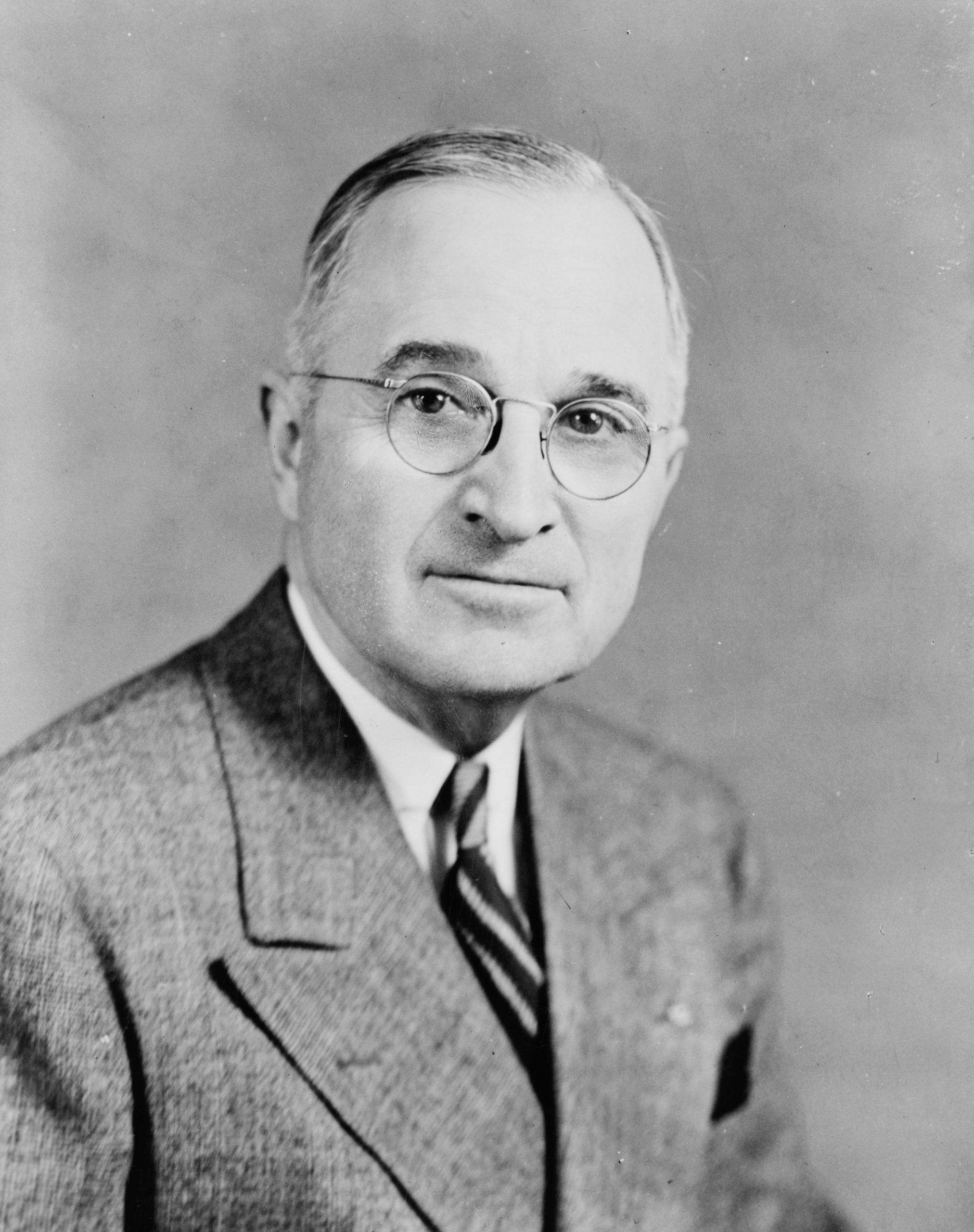
If you have a spare hour, listen to this past week’s EconTalk episode in which “John Kay and Mervyn King talk about their book, Radical Uncertainty, with EconTalk host Russ Roberts. This is a wide-ranging discussion based on the book looking at rationality, decision-making under uncertainty, and the economists’ view of the world.” The three economists have useful perspectives on the application of statistical modeling to the COVID-19 emergency. (If you have a spare 15 minutes you can read the transcript (lower right hand side of the website, and in fairness although I read a lot of the books that are discussed on EconTalk, I won’t read this one because I don’t have a Ph.D in economics. If you want a fascinating book to read check out A.J. Baime’s recent book on the 1948 U.S. Presidential election. The FEHBlog by the way is a big admirer of Harry Truman.)

Friday Stats and More

Based on the CDC’s Cases in the U.S. website, here is the FEHBlog’s chart of new weekly COVID-19 cases and deaths over the 20th through 31st weeks of this year (beginning May 14 and ending August 5; using Thursday as the first day of the week in order to facilitate this weekly update):

and here is the CDC’s latest chart of weekly rates per 100,000 of COVID-19 hospitalizations without regard to age:

The CDC’s weekly surveillance summary states that

Nationally, levels of influenza-like illness (ILI) are below baseline but higher than typically seen at this time of year. Indicators that track ILI and COVID-19-like illness (CLI) showed decreases nationally from week 30 to week 31, with decreasing or stable (change of ≤ 0.1%) levels in all regions of the country. Nationally, the percentage of laboratory tests positive for SARS-CoV-2 decreased from week 30 to week 31 and decreased in nine of ten HHS regions.

As of today’s CDC report the nation has experienced nearly 4.9 million cases of COVID-19 and 158,887 COVID-19 related deaths this year.

Kaiser Health News reports that two COVID-19 vaccine developers are having no problem recruiting 60,000 Americans to test their still experimental vaccines. One of the vaccines in the third and final phase of trials is made by Pfizer and BioNTech, a German company, and the other by biotech startup Moderna with support from NIH.

The Wall Street Journal reports tonight that the latest round of COVID-19 relief bill negotiations today was unsuccessful.

It wasn’t known whether negotiations could later resume, potentially among a different constellation of leaders. Both Mr. McConnell and Mr. Trump haven’t been in the room for the past two weeks of talks. Mrs. Pelosi said Democrats weren’t interested in peeling off a short-term extension of just the federal unemployment insurance, as Republicans had proposed in the closed-doors negotiations. One possibility is that the debate over coronavirus aid gets merged with discussions expected in September about keeping the government running when its current funding expires on Oct. 1.

In the meantime, we may see executive orders from the White House.

The Federal Times reports on the U.S. Postal Service’s second quarter financial results. “Though revenue for the first three quarters of 2020 is $553 million greater than for the same period in 2019, due in part to a strong increase in package volume, the agency continues to report significant losses of $2.2 billion in the third quarter of this year compared to a net loss of $2.3 billion for the same quarter last year.”

In healthcare news –

  • HHS’s Agency for Healthcare Research and Quality has issued a timely Brief on Telediagnosis for Acute Care: Implications for the Quality and Safety of Diagnosis. The Director of AHRQ’s Center for Quality Improvement and Patient Safety observed that “The use of telemedicine is growing at the same time it is evolving rapidly. These changes will make the healthcare ecosystem increasingly reliant on telemedicine for several aspects of care, including diagnosis. Now is the time for the research community to come together and help ensure telemedicine is as safe and effective as possible.”
  • MedCity News reports that an eight year old primary care company, Oak Street Health, has successfully issued public shares of stock in its business. “Oak Street [which is based in Chicago] currently operates in nine states, striking value-based care agreements to care for Medicare and Medicare Advantage patients. That model has helped Oak Street where many primary care clinics have struggled as in-person visits have dropped during the Covid-19 pandemic. More than 97% of its revenue is tied to value-based contracts, according to its prospectus.” Good luck.

Thursday Miscellany

The Wall Street Journal reports that

White House chief of staff Mark Meadows and Treasury Secretary Steven Mnuchin said Wednesday that if they don’t reach a deal by Friday with Mrs. Pelosi and Senate Minority Leader Chuck Schumer (D., N.Y.), they saw little point in continuing the daily negotiating sessions they have been conducting for nearly two weeks.

The quartet was expected to meet again early Thursday evening.

Democrats said Thursday that the slow pace of progress in the talks stems from a central clash over how much assistance the federal government should provide.

The President has stated that he plans to issue executive orders providing COVID-19 emergency relief if a compromise is reached.

Today the President signed an executive order directing administrative action to “reduce our dependence on foreign manufacturers for Essential Medicines, Medical Countermeasures, and Critical Inputs to ensure sufficient and reliable long-term domestic production of these products, to minimize potential shortages, and to mobilize our Nation’s Public Health Industrial Base to respond to these threats.” That seems sensible. Here’s a link to a Wall Street Journal article on the executive order. The Journal explains that “The order seeks to reverse the practice in recent decades of moving drug manufacturing outside of the U.S. That shift is partly because of more favorable tax rates, cheaper labor and friendlier environmental regulations, industry officials say.”

On the miscellany front —

  • The Federal Times reports that the U.S. Office of Personnel Management is poised to publish an interim final rule implementing the new paid parental leave program for federal employees. The program takes effect on October 1, 2020, and the interim final rule will be published in the Federal Register on August 10, 2020.

The act enables federal employees to substitute 12 weeks of paid leave for the same amount of time of unpaid leave authorized under the Family and Medical Leave Act of 1993.

But not all of the circumstances covered by unpaid leave apply to the new paid leave provisions.

Federal employees covered by the act may only take paid parental leave after the birth or placement of a child and may only do so within a 12-month window of that birth or placement.

  • Health Payer Intelligence reports on a Blue Cross study discussing payer strategies to improve sagging colorectal cancer screening rates in our country. OPM scores FEHB plans on the NCQA’s HEDIS measure for this preventive care measure. The article explains

“A major barrier to preventative screening is attitudinal – stemming from misperceptions surrounding discomfort, lack of risk awareness, and general fear of negative results,” [BCBSA Vice President Reed] Melton said. “Payers can start by working to change those perceptions and provide accurate, accessible resources to better inform the public.”

Payers can act on the information that this report unveiled by making colorectal cancer information—including screening information and other data—available to members online. This is a strategy that many Blue Cross and Blue Shield companies are already implementing.

  • Last week the FEHBlog called attention to successful COVID-19 vaccine tests performed on monkeys. One group of monkeys was given the experimental vaccine and the other group wasn’t. However, both groups were exposed to COVID-19 which increases the reliability of the testing. A friend of the FEHBlog shared a link to the 1 Day Sooner site. 1 Day Sooner proposes that human volunteers engage in the same type of testing which are known as challenge trials. ” Human challenge trials deliberately expose participants to infection, in order to study diseases and test vaccines or treatments. They have been used for influenza, malaria, typhoid, dengue fever, and cholera. Researchers are exploring whether human challenge trials could speed up the development of a vaccine for COVID-19, saving thousands or even millions of lives.” Who knew? Certainly gutsy. In any event, the FEHBlog shares a monkey’s picture today in gratitude to their efforts to protect fellow primates.

Midweek Update

The Wall Street Journal reports this evening that “White House and Democratic negotiators emerged frustrated from their [latest COVID-19 relief bill} meeting Wednesday. White House officials said Democrats were dragging their feet on talks, and Democrats countered that Republicans were thinking too small.” “Absent an agreement [by this Friday, [Treasury Secretary Steven] Mnuchin said, “We’ll have to look at the president taking actions under his executive authority.”

On the vaccine front —

  • Kaiser Health News reports that obese people are less responsive to vaccines than other folks. ” Dr. Timothy Garvey, an endocrinologist and director of diabetes research at the University of Alabama, was among those who stressed that, despite the lingering questions, it’s still safer for obese people to get vaccinated than not. “The influenza vaccine still works in patients with obesity, but just not as well,” Garvey said. “We still want them to get vaccinated.” FEHBP plans typically offer effective coaching problems to help plan members with weight reduction.
  • On the brighter side, the Wall Street Journal reports that “Researchers and companies developing Covid-19 vaccines are taking new steps to tackle a longtime challenge: Those who need the vaccines most urgently, including Black and Latino people, are least likely to participate in clinical trials to determine whether they work safely.” Health plans may be able to offer support here to researchers.

Publicly traded healthcare companies have been report second quarter results recently. Healthcare Dive reports that “All of the nation’s largest insurers, Anthem, Centene, Cigna, Molina, UnitedHealth Group (which operates UnitedHealthcare) and CVS (which owns Aetna), all reported a surge in second quarter profits due to lower medical usage among members.” To the extent that these profits stem from health insurance premiums, the ACA’s requirement that health insurers rebate premium income when they fall below the minimum medical loss ratio threshold (80% for individual coverage and 85% for group coverage) is designed to prevent excess profits.

  • For more details on second quarter results CVS Health and Humana reported today. Becker’s Hospital Review inform us about other major insurer results here.

Forbes advises us that according to a recent study, deferral of care during the great hunkering down in March and April caused a concerning drop in new cancer diagnoses. “This report demonstrates that our initial response to the pandemic of limiting so-called elective screening and diagnostic tests has consequences,” said Craig Bunnell, MD, Dana-Farber Cancer Institute Chief Medical Officer. “The true incidence of these cancers did not drop. The decline clearly represents a delay in making the diagnoses, and delays matter with cancer,” Bunnell added. But physicians are keen to stress that for symptoms that cannot wait such as anything which might indicate cancer, people must not hesitate to seek medical care, despite the pandemic. “We need to safely perform these diagnostic tests and the public needs to not think of them as optional. Their lives could depend on them,” said Bunnell.

How true. Becker’s Hospital Review provides additional perspective on this issue by publishing a Census Bureau ranking of the states by the estimated percentage of deferred care due to the COVID-19 emergency.

Nationwide, 40 percent of Americans are still delaying care, according to a survey from the U.S. Census Bureau. The agency launched its Household Pulse Survey April 23, polling roughly 1 million Americans weekly on how the pandemic is affecting their household. Over the past 12 weeks, the percentage of U.S. adults delaying care has hovered around 40 percent with little fluctuation.

Finally, there was a big healthcare industry transaction announced today. STAT reports that “telemedicine provider Teladoc Health has reached an agreement to buy the diabetes coaching company Livongo in an $18.5 billion deal.” Both companies are publicly traded. The Wall Street Journal explains that

Under the deal, each share of Livongo will be exchanged for 0.5920 shares of Teladoc, plus cash consideration of $11.33 for each Livongo share. Upon completion of the merger, existing Teladoc shareholders will own 58% of the combined company, and existing Livongo shareholders will own 42%. The transaction is expected to close by the end of this year.